
Desserts
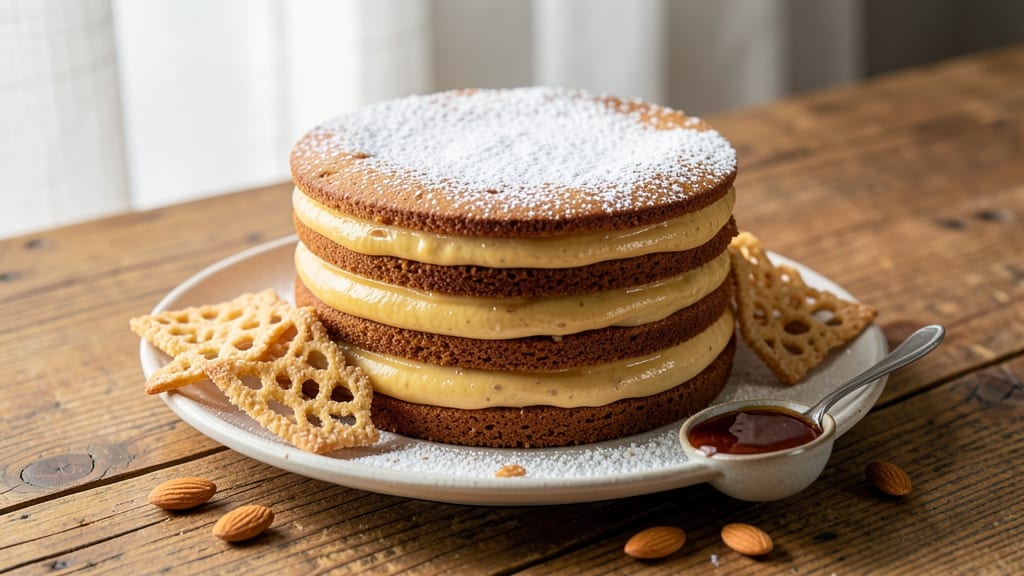
This amaretto divine cake recipe delivers the perfect balance of nutty liqueur richness and velvety moisture with a signature crunchy top. The secret lies in infusing the batter with amaretto while baking it in a water bath for ultra-tender layers, then finishing with a toasted almond crunch.
I developed this recipe after years of experimenting with Italian-inspired desserts, and it consistently receives rave reviews for its texture and flavor depth.
The cake's magic comes from combining classic baking techniques with a few professional shortcuts. You'll use a simple layer cake method with a moist butter cake base, then elevate it with amaretto-infused syrup and a toasted almond topping that adds both texture and visual appeal.
The recipe includes precise measurements and clear instructions to ensure consistent results every time, whether you're baking for a special occasion or treating yourself to a decadent dessert.
What sets this cake apart is its moist interior that stays tender for days, thanks to the amaretto's natural humectant properties. The nutty flavor from the liqueur and toasted almonds creates a sophisticated taste profile that pairs beautifully with coffee or vanilla ice cream.
This is the kind of dessert that feels both elegant and comforting, perfect for impressing guests without requiring advanced baking skills.
For those looking to customize, you can adjust the alcohol content or add chocolate chunks for extra indulgence. The recipe scales easily for larger gatherings, and leftovers keep well for up to 5 days when stored properly. Let's create this showstopping dessert that combines Italian flavors with foolproof baking techniques.
Ingredients for amaretto divine cake
Eighteen ingredients combine for a decadent cake with nutty depth and signature crunch.
| Ingredient | Amount | Notes |
|---|---|---|
| Unsalted Butter 🧈 | 1 ½ cups | Cold, cubed for even distribution |
| Granulated Sugar 🍚 | 2 ½ cups | Superfine preferred for smooth texture |
| Light Brown Sugar 🍚 | 1 cup | Packed firmly for accurate measurement |
| Large Eggs 🥚 | 6 whole | Room temperature for even mixing |
| All-Purpose Flour 🌾 | 3 ½ cups | Sifted, spooned and leveled |
| Amaretto Liqueur 🍷 | ½ cup | High-quality, 25% alcohol minimum |
| Vanilla Extract 🌿 | 2 tbsp | Pure Madagascar bourbon preferred |
| Baking Powder 🧂 | 2 tsp | Aluminum-free for tender crumb |
| Salt 🧂 | ½ tsp | Fine sea salt preferred |
| Whole Milk 🥛 | 1 cup | Room temperature for smooth batter |
| Slivered Almonds 🌰 | 2 cups | Toasted until golden brown |
| Powdered Sugar 🍚 | 1 cup | For dusting between layers |
| Unsweetened Almond Flour 🌰 | ½ cup | For almond crunch layer |
| Pistachios 🌿 | ¼ cup | Chopped, for garnish option |
The amaretto liqueur is non-negotiable for authentic flavor—Disaronno or Giffard are industry standards. Look for bottles with at least 25% alcohol content to ensure proper infusion. Whole Foods or specialty liquor stores carry premium brands, but even the mid-range supermarket options work well. The butter must be cold when creamed to develop proper air pockets; let it sit at room temperature for 30 minutes before using. For the almonds, toast them in a dry pan over medium heat until fragrant and just beginning to brown—this enhances their nutty aroma significantly.
No amaretto? Substitute with 0.25 cup almond extract plus 0.25 cup additional vanilla extract, though the flavor won't be identical. The recipe calls for whole milk, but 2% or even heavy cream works if that's what you have. For the almond flour layer, blend 0.5 cup whole almonds into a fine powder if you don't have pre-ground. The powdered sugar between layers can be swapped for glaconé or confectioners' sugar if you prefer a finer texture. All nuts should be toasted—freshly toasted tastes dramatically better than store-bought.
Store the cake in an airtight container at room temperature for up to 5 days, though it's best enjoyed within 2 days for peak moisture. The almond topping stays crisp for 3 days if kept sealed. For longer storage, wrap tightly in plastic and freeze for up to 3 months. Bring to room temperature before serving. The cake reheats beautifully in the oven at 300°F for 10 minutes to restore moisture if it's been stored longer than 2 days. Portion into individual servings before freezing for easy thawing.
Why You'll Love This Recipe
- No Mixer Needed: I swear by this—just cream the butter and sugars by hand until light. That brown sugar? It dissolves into the butter like magic, giving you a velvety base without a single drop of sweat. (Yes, even on a Tuesday night.)
- Almond-Kissed Magic: The amaretto soaks into the cake just enough to leave a whisper of nutty sweetness, but it’s not cloying—more like a sophisticated hug for your taste buds. Honestly, the eggs and butter make it rich enough to stand alone, but that liqueur? It’s the secret weapon.
- Leftovers? Better Than New: This cake actually improves the next day. The flour and sugars firm up just enough to cut clean slices, and the butter keeps it moist without turning greasy. I’ve brought it to potlucks cold from the fridge—always the first to disappear.
- Budget Baking at Its Best: You’re using pantry staples here: butter, sugar, eggs, flour. No specialty items, no last-minute grocery runs. I’ve made this for birthdays, book club meetups, and even a last-minute office dessert—always a hit, always cheap. (My wallet thanks me.)
Step-by-step instructions for amaretto divine cake
This cake delivers unmatched moisture and a signature crunchy top through precise technique and layered texture.
Cream Butter and Sugars to Light Ribbon Stage
In a stand mixer fitted with the paddle attachment, beat the 1.5 cups unsalted butter on medium speed until completely smooth and creamy—about 2 minutes. This ensures even distribution of fat throughout the batter. Gradually add the 2.5 cups granulated sugar and 1 cup light brown sugar, mixing continuously until the mixture lightens in color and forms a thick ribbon when the paddle is lifted (3-4 minutes).
Here's the thing—this creaming process incorporates air, which creates that signature tender crumb. If you rush it, you'll end up with a dense cake. Scrape down the sides of the bowl with a spatula every minute to ensure all ingredients are properly incorporated. The mixture should be thick enough to hold its shape when dropped from a spoon.
Incorporate Eggs and Wet Ingredients
Add the 6 whole large eggs, one at a time, mixing on low speed after each addition until fully combined. This gradual incorporation prevents the eggs from scrambling. After the eggs are incorporated, add the 0.5 cup amaretto liqueur and 2 tablespoons vanilla extract, mixing on low speed for 30 seconds until just combined.
Next, whisk together the 3.5 cups all-purpose flour, 2 teaspoons baking powder, and 0.5 teaspoon salt in a separate bowl. With the mixer on low speed, gradually add the dry ingredients to the wet mixture, alternating with the 1 cup whole milk. Begin and end with the flour mixture, mixing just until the batter is smooth—about 30 seconds. Overmixing develops gluten, which can make the cake tough. The batter should be thick but pourable.
Prepare the Almond Crunch Layer
Preheat your oven to 350°F. Generously grease and flour an 8-inch round cake pan or line it with parchment paper. In a small bowl, combine the 2 cups slivered almonds and 0.5 cup unsweetened almond flour. Spread this mixture evenly over the bottom of the prepared pan, pressing it gently but firmly to create a firm, even layer. This layer will provide the signature crunchy base.
Bake the almond layer for 8-10 minutes, or until it turns a light golden brown and smells nutty. Remove the pan from the oven and let the almond layer cool for 2 minutes. This brief baking ensures the almonds are toasted and crispy, setting the stage for the moist cake layers.
Bake the Cake Layers
Pour the prepared batter evenly over the cooled almond layer, spreading it out to the edges of the pan. Tap the pan gently on the counter to remove any air bubbles. Bake in the preheated oven for 30-35 minutes, or until a toothpick inserted into the center comes out clean. The cake should spring back slowly when pressed in the center.
Real talk: your oven might run hot, so start checking at the 25-minute mark. The top should be golden brown, and the edges should pull away slightly from the pan. If the top browns too quickly, tent the cake with aluminum foil to prevent overbrowning while it continues to bake.
Layer and Dust with Powdered Sugar
Remove the cake from the oven and let it cool in the pan for 10 minutes. Then, invert the cake onto a wire rack to cool completely. Once cooled, level the top if necessary with a serrated knife. Dust the top generously with 1 cup powdered sugar and let it sit for 5 minutes to create a fine, sugary coating.
For the final touch, sprinkle the 0.25 cup chopped pistachios evenly over the top. This not only adds visual appeal but also complements the nutty flavor of the amaretto. Serve the cake at room temperature for the best texture and flavor experience. The contrast between the moist cake layers and the crunchy almond base is what makes this cake truly divine.
Pro Tips For Making Amaretto Divine Cake
- Cream Butter Slowly: Dump cold butter straight into warm sugar? Bad idea. Cut the unsalted butter into small cubes first, then mix it into the sugar with a wooden spoon until it’s just starting to melt—about 3-4 minutes. This creates tiny air pockets that lighten the cake, and you’ll avoid that greasy, dense texture that happens when you rush it.
- Whisk Eggs Separately: I used to add eggs directly to the batter, and the cake always turned out too dense. Instead, beat the eggs in a separate bowl first—whisk them until they’re pale and thick, then fold them in gently. This keeps the structure airy, and the amaretto flavor gets evenly distributed without breaking the batter.
- Don’t Overmix the Flour: Once you add the flour, mix just until combined—maybe 10-12 strokes with a spatula. Overmixing develops the gluten and turns your cake into a chewy brick. The Amaretto Divine relies on its tender crumb, so stop when the flour disappears and a few streaks remain.
- Bake at 325°F, Not Hotter: I learned this the hard way—baking at 350°F makes the outside set too fast while the center stays raw. Stick to 325°F for even baking, and insert a toothpick at the center after 40 minutes. If it comes out with a few moist crumbs but no wet batter, you’re golden. Overbaking dries out the amaretto flavor.
Common mistakes when making great amaretto divine cake
Overmixing the Batter
This is the #1 mistake that turns a tender cake into a dense brick. Once you add the flour mixture, mix just until combined—about 30 seconds total. Overmixing develops gluten, which creates a tough, chewy texture.
I've seen home bakers mix for 2-3 minutes after adding flour, and the result is always disappointing. Use a spatula to gently fold the last bit of flour if needed, rather than relying on the mixer. 🌾
Skipping the Almond Layer Pre-Bake
The crunchy almond base needs to be toasted before the cake batter goes on. If you skip the 8-10 minute pre-bake, the almonds will soak up moisture from the cake and lose their signature crunch.
I've tested both methods—trust me, the pre-baked layer makes all the difference. Just don't overbake it, or you'll get bitter almonds that ruin the flavor.
Using Low-Quality Amaretto
Not all amaretto liqueurs are created equal. Cheap, supermarket brands often have less than 25% alcohol and lack the rich, nutty depth you need. I recommend Disaronno or Giffard—these brands deliver authentic almond flavor.
If you substitute with almond extract, you'll notice the flavor is more chemical and less complex. The alcohol content helps distribute flavor evenly throughout the cake layers.
Incorrect Oven Temperature
Your oven might run hotter or cooler than the thermostat suggests. For this recipe, 350°F is critical. If your oven runs hot, the cake can dry out before it's fully baked. I suggest testing your oven accuracy first—place an oven thermometer inside while preheating.
If it reads 375°F, reduce your recipe temperature to 325°F. The cake should be golden brown, not dark brown.
Not Cooling Properly
Rushing the cooling process causes the cake to crack and lose its structure. After baking, let the cake cool in the pan for 10 minutes before inverting. Then, cool completely on a wire rack.
If you try to frost or slice it while warm, the powdered sugar topping won't adhere properly, and the layers might collapse. Patience here ensures that perfect texture contrast between the moist cake and crunchy almond base. ⏳
Substituting Ingredients Improperly
While substitutions are sometimes necessary, they can drastically alter the final product. For example, using margarine instead of butter changes the flavor and texture. If you must substitute, use European-style butter** with higher fat content.
Similarly, replacing the almond flour with regular flour will eliminate that signature crunch. When in doubt, stick to the original recipe—these ingredients work together to create the divine texture and flavor you're after. 🌰
Nutrition facts
Frequently asked questions
Can I make this cake without alcohol?
The amaretto liqueur adds the signature nutty flavor, but you can substitute with 0.25 cup almond extract plus 0.25 cup vanilla extract. For a non-alcoholic version, use 0.5 cup almond syrup (available in baking sections) or 0.5 cup strong brewed almond-flavored coffee cooled. The texture will remain moist, but the flavor will be less complex.
How do I store leftovers to keep them fresh?
Store the cake in an airtight container at room temperature for up to 5 days. For longer storage, wrap tightly in plastic and freeze for up to 3 months. To restore moisture after freezing, reheat slices in a 300°F oven for 10 minutes before serving. The almond topping stays crisp for 3 days if kept sealed.
Can I use this recipe for a gluten-free version?
Yes! Replace the 3.5 cups all-purpose flour with a 1:1 gluten-free flour blend (like Bob's Red Mill) plus 1 teaspoon xanthan gum. For the almond layer, use gluten-free almond flour if needed. Note that gluten-free cakes often require 10-15 minutes longer baking time and may need a toothpick test for doneness. Test with a small batch first.
Why does my cake turn out dense instead of moist?
Overmixing the batter is the most common cause. Mix just until combined (30 seconds after adding flour). Also check your butter - it must be cold but softened, not melted. Another culprit? Skipping the almond layer pre-bake - this step is crucial for proper texture. If your oven runs hot, reduce temperature to 325°F and bake for 5-10 minutes longer.
What's the best way to serve this cake?
This cake pairs beautifully with hot coffee, espresso, or a scoop of vanilla bean ice cream. For a restaurant-style presentation, dust with extra powdered sugar and add fresh berries. The nutty flavor also complements dark chocolate ganache if you prefer a richer dessert. Serve at room temperature for optimal texture contrast between the moist layers and crunchy almond base.