
Desserts
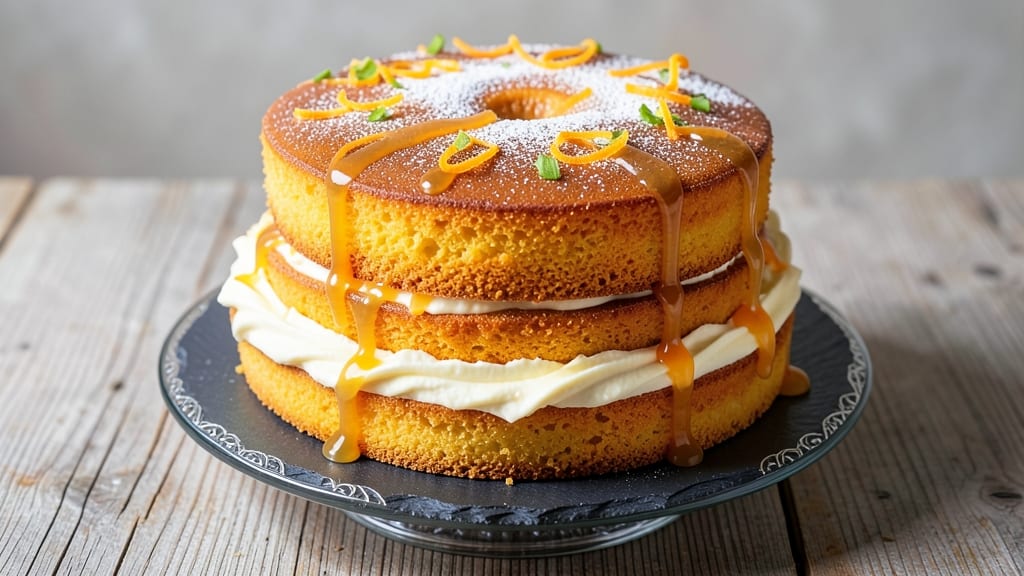
This amazing orange cake recipe delivers a burst of citrus brightness that'll make your taste buds dance. 💛 The secret? Fresh orange zest and juice infuse every bite with vibrant flavor, while a simple glaze ties it all together into a showstopper dessert.
I've perfected this recipe over years of baking, and it never fails to impress—whether for birthdays, holidays, or just because you deserve something special.
The magic happens in the moist, tender crumb that's light yet rich, thanks to a perfect balance of butter, sugar, and eggs. Fresh orange zest brightens the batter, while a splash of orange juice keeps the cake juicy and flavorful.
The recipe uses simple pantry staples, but the results are anything but basic—this cake tastes like a bakery masterpiece without the fuss.
What you'll end up with is a golden, perfectly moist cake with a fragrant orange aroma that fills your kitchen. The glaze adds a glossy finish and extra citrus punch, making every slice look as good as it tastes.
It's the kind of dessert that disappears fast, leaving your guests asking for the recipe.
Great for any occasion, this cake pairs beautifully with whipped cream or fresh berries. Let's get baking—your kitchen (and your taste buds) will thank you!
Ingredients for amazing orange cake
Simple pantry staples plus a splash of sunshine—this cake is pure joy in every bite.
| Ingredient | Amount | Notes |
|---|---|---|
| All-Purpose Flour 🌾 | 2 ½ cups | Sifted for light texture |
| Granulated Sugar 🍚 | 2 cups | White or light brown |
| Unsalted Butter 🧈 | 1 cup | Room temperature, full-fat |
| Large Eggs 🥚 | 4 whole | Room temperature preferred |
| Fresh Orange Zest 🍊 | 2 tbsp | From 2 large oranges (no white pith) |
| Fresh Orange Juice 🍊 | ½ cup | From 1 large orange |
| Baking Powder 🧂 | 2 tsp | Diamond Crystal preferred |
| Salt 🧂 | ½ tsp | Fine sea salt |
| Vanilla Extract 🌿 | 1 tsp | Pure vanilla preferred |
| Powdered Sugar 🍚 | 2 cups | For glaze (sifted) |
| Milk 🥛 | ¼ cup | Any kind, room temperature |
| Lemon Juice 🍋 | 1 tbsp | Freshly squeezed |
The oranges are everything here. Navel oranges work best—they're juicier and sweeter. Grab a couple from Trader Joe's or your local farmers market for peak flavor. Zest only the outer layer (no white pith, that's bitter), and save the juice for the batter. If you can't find fresh oranges, high-quality bottled orange juice is a backup, but it won't have that same bright flavor. The butter? Full-fat is non-negotiable—it keeps the cake rich and moist. Room temperature butter mixes better, so take it out 30 minutes before baking.
No fresh oranges? Substitute with 1/2 cup bottled orange juice plus 1 tsp extra zest from a lemon—it's not the same, but it'll get you close. Out of vanilla? Almond extract works at half the amount, but it has a different flavor profile. For the glaze, powdered sugar is key—sifted is best to avoid lumps. If you don't have powdered sugar, blend granulated sugar in a food processor until it's fine, but it won't be as smooth. The milk in the glaze can be swapped for heavy cream for extra richness or almond milk for a lighter version.
This cake keeps beautifully—3 days at room temperature covered loosely, or 1 week refrigerated in an airtight container. The glaze sets quickly, so assemble the cake right before serving. For extra shine, brush the cake with a little extra orange juice before adding the glaze. Leftovers? Toasted almond slices make a great garnish if you want to impress. The cake freezes well too—wrap tightly for up to 3 months—just thaw at room temperature before serving.
Why You'll Love This Recipe
- No-Zest Struggles: I’ll admit—peeling oranges used to stress me out. But this recipe needs just the zest, so I grab a microplane and scrape a strip in under a minute. No peels, no mess, just that bright citrus punch that makes the whole cake sing.
- Butter-Sugar Magic: That creamy butter-sugar combo? It’s the secret. Whisking softened butter with sugar until it’s light and fluffy cuts through the flour’s heaviness, leaving you with a moist crumb that’s dangerously easy to devour straight from the pan. (I’ve done it.)
- Party or Picnic: This cake’s neutral enough for brunch but bold enough for a dinner party. Slice it with a dusting of powdered sugar for a crowd-pleasing dessert, or pack individual portions for a potluck—no one will guess it’s as simple as it is impressive.
- Leftovers? Better: The good kind. The kind where you’ll actually want seconds. Store it in the fridge for up to five days, and the flavors only deepen. Or freeze slices for a quick breakfast toast—trust me, orange cake on sourdough is a vibe.
Step-by-step instructions for zesty orange cake
Here's how to bake a moist, citrusy cake with a showstopping glaze—every bite delivers bright, professional-quality flavor.
👨🍳 Step 1: Mix Dry Ingredients for Light Texture
In a medium bowl, whisk together the 2.5 cups All-Purpose Flour, 2 tsp Baking Powder, and 0.5 tsp Salt. Sift the flour mixture directly into a large mixing bowl to aerate it—this prevents dense cake. I like to press the sifter through a fine mesh strainer for extra lightness.
Set aside the dry mixture. The reason we sift is to incorporate air and remove any lumps, which gives that signature tender crumb. Don't skip this—it makes all the difference in cake texture. Keep the bowl ready for the wet ingredients next.
🍳 Step 2: Cream Butter and Sugar Until Fluffy
In the bowl with dry ingredients, add the 1 cup Unsalted Butter and 2 cups Granulated Sugar. Using an electric mixer on medium-high speed, beat for 3-4 minutes until the mixture is light, pale, and nearly doubled in volume. You'll see ribbons form when you lift the beaters.
This creaming process is crucial—it incorporates air that creates that beautiful rise and tender crumb. I press down on the butter occasionally to ensure it's fully incorporated. If your butter isn't room temperature, the mixture will clump and you'll have to start over.
🍳 Step 3: Add Eggs and Citrus for Bright Flavor
Add the 4 whole Large Eggs, one at a time, mixing well after each addition. Then stir in the 2 tbsp Fresh Orange Zest, 0.5 cup Fresh Orange Juice, and 1 tsp Vanilla Extract. Mix on low speed just until combined—you don't want to overmix or develop gluten.
The orange zest and juice infuse the batter with that signature citrus brightness. I like to press the zest directly into the batter so every bite gets maximum flavor. The vanilla rounds out the citrus notes beautifully. At this point, your batter should be smooth and slightly thick.
🥘 Step 4: Combine Wet and Dry for Perfect Texture
Gradually add the dry ingredients to the wet mixture, mixing on low speed just until combined. Be careful not to overmix—stop as soon as the flour disappears. The batter should be thick but pourable. If it's too thick, add 1 tablespoon of milk to loosen it slightly.
Here's the thing—this is where texture magic happens. You want just enough mixing to combine without developing gluten, which would make the cake tough. I use a spatula to gently fold in any stubborn dry spots at the bottom of the bowl.
🔥 Step 5: Bake Until Golden and Springy
Preheat your oven to 350°F. Pour the batter into two 9-inch round cake pans lined with parchment paper. Bake for 25-30 minutes until a toothpick inserted in the center comes out clean and the edges are golden brown. Rotate the pans halfway through for even baking.
Don't open the oven during baking—this causes the cakes to sink. You'll know they're done when the tops spring back when touched lightly. Let the cakes cool in the pans for 10 minutes, then transfer to a wire rack to cool completely before glazing.
🍰 Step 6: Make the Citrus Glaze for Showstopping Finish
In a small bowl, whisk together the 2 cups Powdered Sugar, 0.25 cup Milk, and 1 tbsp Lemon Juice until smooth. The glaze should be thick enough to drizzle but still pourable. If it's too thick, add 1 teaspoon of milk at a time until you reach the right consistency.
This glaze adds that professional restaurant finish. The lemon juice brightens the orange flavor even more, creating that perfect balance. I like to strain the glaze through a fine mesh sieve to ensure it's completely smooth before pouring.
🍽️ Step 7: Assemble and Serve
Place one cake layer on a serving plate. Pour half the glaze over the top, letting it drip over the sides. Add the second layer and pour the remaining glaze on top. Use a spatula to spread the glaze evenly over the sides and top of the cake.
Let the glaze set for 10-15 minutes before slicing. This cake is amazing warm or at room temperature, but the glaze sets best when slightly chilled. Each slice should have that perfect balance of moist, citrusy cake with a sweet-tart glaze that makes it truly special.
Pro Tips For Making Amazing Orange Cake
- Melt Butter Slowly: I learned this the hard way—dumping cold butter into hot sugar makes a greasy mess that won’t emulsify right. Warm the butter and sugar together over low heat until it’s just shy of melting, then let it cool slightly before adding eggs. The batter will be smoother, and the crumb will be lighter.
- Zest Only the Outer Peel: That bitter orange pith hides in plain sight, and it’ll ruin your cake. Use a fine grater or zester and scrape only the bright yellow layer—no white stuff. If you’re unsure, taste a pinch first; if it’s even slightly bitter, start over.
- Don’t Overmix the Batter: I used to beat this batter until it looked like pancake mix, but that’s how you end up with a dense, tough cake. Mix just until the flour disappears—about 20 seconds past that point—and stop. The eggs and butter do the heavy lifting here.
- Test for Doneness Early: Orange cake dries out faster than vanilla, so pull it when the center is just springy—not jiggly. If you’re nervous, stick a toothpick in at 25 minutes; if it comes out clean but the edges look set, you’re good. The cake keeps cooking off the heat.
Storing and reheating this amazing orange cake
Room Temperature Storage
Keep your orange cake at room temperature for up to 3 days in a cool, dry place. I wrap the cake loosely in plastic wrap or place it on a cake stand covered with a cake dome.
The key is to allow air circulation while protecting it from dust and drying out. Store it away from direct sunlight to prevent the glaze from melting. 💛
If you're storing it in an airtight container, leave the lid slightly ajar for the first 24 hours to let any excess moisture escape. This prevents condensation from making the cake soggy. I recommend using a clear plastic container so you can see the beautiful layers.
Refrigerator Storage
For longer storage, refrigerate the cake for up to 1 week in an airtight container. The cold temperature helps preserve the moisture and keeps the glaze from sweating. I like to place a piece of parchment paper between layers if I'm storing it stacked.
Bring the cake to room temperature before serving to let the flavors meld again.
If the glaze looks cloudy after refrigeration, simply reheat it gently in the microwave for 10-15 seconds to restore its shine. This happens because the cold temperature causes the sugar to crystallize slightly. A quick zap brings back that restaurant-quality finish.
Freezer Storage
This cake freezes beautifully for up to 3 months if wrapped tightly in plastic wrap followed by aluminum foil. I double-wrap each layer separately to prevent freezer burn.
Label the package with the date to keep track. When ready to serve, thaw overnight in the refrigerator before bringing to room temperature.
For best results, avoid freezing the cake with the glaze already applied. Instead, freeze the baked layers without glaze, then assemble and glaze when you're ready to serve. This keeps the texture perfect and prevents the glaze from becoming grainy.
Reheating Tips
If you've refrigerated the cake, I recommend serving it slightly chilled for the best texture. However, if you prefer it warm, reheat individual slices in the microwave for 10-15 seconds on 50% power. This gentle heat brings back the cake's moisture without drying it out.
For a more even reheat, place slices on a microwave-safe plate and cover with a damp paper towel. The moisture helps maintain the cake's tenderness. Avoid using high power settings—they can make the cake rubbery. A quick burst of heat is all you need to revive those fresh-baked flavors.
Nutrition facts
Frequently asked questions
Can I substitute bottled orange juice for fresh?
You can use bottled orange juice in a pinch, but fresh is best for that bright citrus flavor. For every 0.5 cup fresh orange juice needed, use 0.5 cup bottled juice plus 1 tsp extra lemon juice to mimic the acidity. The cake will still be delicious, but it won't have that same vibrant orange aroma.
Why does my orange cake turn out dense? Dense cake usually means overmixing the batter or not creaming the butter and sugar properly.
Can I make this cake in a different pan size?
Yes, but adjust the baking time. For a 9-inch round pan, bake for 25-30 minutes. In an 8-inch pan, reduce time to 20-25 minutes, and in a 10-inch pan, increase to 30-35 minutes. Always check with a toothpick to ensure it's fully baked.
How can I make this cake gluten-free?
Replace the all-purpose flour with a 1:1 gluten-free baking flour blend (like Bob's Red Mill). You may need to add 1 extra tsp xanthan gum to help bind the cake. Also, use gluten-free vanilla extract and ensure all other ingredients are certified gluten-free. The texture will be slightly different but still delicious!
What's the best way to serve this cake?
This cake is perfect on its own, but you can elevate it further! Serve with a dollop of whipped cream, fresh berries, or a scoop of vanilla ice cream. For a fancy touch, garnish with toasted almond slices or a sprinkle of powdered sugar. It's also amazing with a cup of Earl Grey tea or hot coffee.