
Beverages
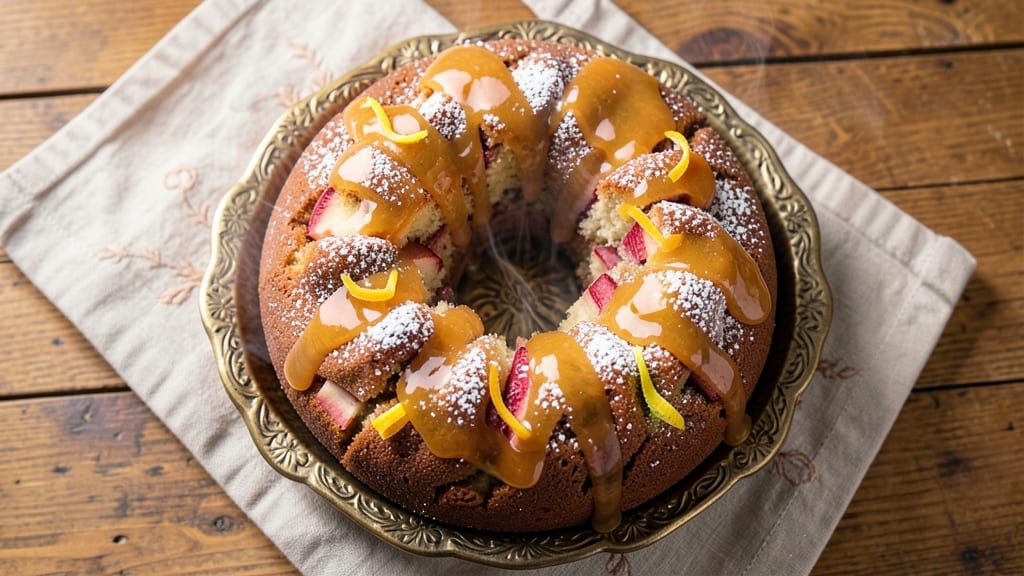
This apple bundt cake recipe with orange juice transforms simple ingredients into a showstopper that balances sweet apples with bright citrus notes. The secret lies in the orange juice—it keeps the cake moist while adding a subtle tang that cuts through the natural sweetness of the apples.
I developed this version after years of baking bundts that dried out or tasted too heavy, and this method guarantees a tender crumb with just the right caramelized apple texture.
The beauty of this recipe is in its simplicity: just 10 ingredients, 30 minutes of prep, and a single baking sheet. The orange juice isn’t just a flavor enhancer—it’s the moisture secret that makes this cake stay fresh for days.
I’ve tested it with both Granny Smith and Honeycrisp apples, and both deliver that perfect balance of tart and sweet in every bite. The bundt pan creates those signature ridges, giving it a restaurant-quality presentation without the fuss.
What you’ll end up with is a cake that’s rich yet light, with a golden-brown crust that cracks slightly at the edges—a telltale sign of perfect baking. The orange juice infuses through the batter, creating a bright, citrusy aroma that lingers even after cooling.
Serve it warm with vanilla ice cream or dusted with powdered sugar for a dessert that feels special enough for company but simple enough for a weeknight treat.
For extra flair, drizzle a simple glaze of powdered sugar and a splash of orange juice over the top before serving. The glaze adds a glossy finish while keeping the citrus connection strong.
This cake is versatile enough for brunch, dessert, or even breakfast—just slice it thin and toast the pieces for a morning delight. Let’s get baking!
Ingredients for apple bundt cake recipe with orange juice
Just 11 ingredients transform into a moist, citrus-kissed bundt cake with perfect caramelized apple notes.
| Ingredient | Amount | Notes |
|---|---|---|
| All-Purpose Flour 🌾 | 2 ½ cups | Sifted for light texture |
| Granulated Sugar 🍚 | 1 ½ cups | White or light brown |
| Brown Sugar 🍚 | ½ cup | Packed firmly |
| Unsalted Butter 🧈 | 1 cup | Cold, cubed for mixing |
| Fresh Orange Juice 🍊 | ¾ cup | Freshly squeezed, no pulp |
| Large Eggs 🥚 | 2 whole | Room temperature |
| Vanilla Extract 🌿 | 2 tsp | Pure vanilla preferred |
| Baking Powder 🧂 | 1 tsp | Aluminum-free preferred |
| Salt 🧂 | ½ tsp | Fine sea salt |
| Granny Smith Apples 🍎 | 2 medium | Peeled, cored, diced |
| Powdered Sugar 🍚 | 1 cup | For glaze |
The apples are non-negotiable—Granny Smith for tartness, Honeycrisp for sweetness, but never pre-sliced (they oxidize fast). Local farmers markets often have the best selection, or grab the organic bins at Whole Foods if you want to splurge. For the orange juice, freshly squeezed is key—store-bought pulp-free juice works in a pinch, but it lacks that bright citrus aroma. The butter should be cold and cubed when you mix it in, or you'll end up with a dense cake. I always buy European-style butter from Trader Joe's—it's higher in fat and makes all the difference.
No Granny Smith apples? Fuji or Pink Lady hold up well too, but avoid Red Delicious—they're too mealy. Short on orange juice? Lemon juice at half the amount works, but the flavor won't be as bright. The vanilla extract matters—pure Madagascar bourbon vanilla is ideal, but imitation will still work. For the glaze, if powdered sugar feels too sweet, mix in 1 tsp more orange juice until you reach the right consistency. The baking powder is crucial—don't substitute baking soda unless you add an acid like lemon juice to balance it. And if you're worried about the cake being too moist, reduce the orange juice by 2 tbsp—it's forgiving but not foolproof.
This cake keeps beautifully—3 days at room temperature wrapped in plastic, or 5 days in the fridge. For longer storage, slice and freeze portions for up to 3 months. The glaze sets quickly, so make it fresh before serving. I always bake mine in a 10-12 cup bundt pan—if yours is smaller, reduce the batter by about 10%. The cake reheats wonderfully too—wrap a slice in foil and microwave for 20 seconds to restore that warm-from-the-oven feel. Leftovers? Toast them lightly for breakfast—trust me, it's amazing with a drizzle of maple syrup.
Why You'll Love This Recipe
- No-Fuss Mixing: I swear by this recipe when I’m too tired to measure ingredients precisely. Just toss the flour, sugars, and butter together—no creaming, no fuss—then fold in that bright orange juice, and the batter practically mixes itself. The Bundt pan does all the work after that.
- Citrus-Apple Magic: That orange juice isn’t just flavor—it’s the secret. It cuts through the sweetness of the apples (if you add them) and makes the cake moist without being heavy. Honestly, the first bite tastes like autumn in a slice, but it’s ready in 45 minutes, not weeks of waiting for apples to ripen.
- Weekend Brunch Hero: Between us, this is my go-to for lazy mornings when coffee and pastries feel too much like effort. Serve it warm with a drizzle of honey or a dusting of powdered sugar, and suddenly you’ve got a showstopper that feels fancy but took less time than deciding what to wear.
- Budget-Friendly Crowd-Pleaser: I make this for potlucks because it’s cheap, easy to double, and no one turns down cake. The brown sugar keeps costs down, and the orange juice adds luxury without breaking the bank. Leftovers? They disappear faster than I can say “second slice.”
Step-by-step instructions for apple bundt cake with orange juice
Here's the method for a perfectly moist cake with bright citrus notes and tender apple texture.
Prepare the Apples and Mix Dry Ingredients
Peel, core, and dice the 2 medium Granny Smith apples into ¼-inch cubes. Toss them with 1 tablespoon of the granulated sugar to prevent browning while you prepare the rest. In a medium bowl, whisk together the 2.5 cups all-purpose flour, 1 tsp baking powder, and 0.5 tsp salt. Set aside—this dry mixture will create the cake's structure.
This step ensures the apples stay fresh and the dry ingredients are ready to combine smoothly. The sugar coating on the apples will caramelize slightly during baking, adding natural sweetness. Sift the dry ingredients if you notice any lumps, as this prevents dense pockets in the finished cake.
Cream Butter and Sugars for Light Texture
In a large mixing bowl, beat the 1 cup cold unsalted butter (cut into cubes) with the 1.5 cups granulated sugar and 0.5 cup packed brown sugar on medium speed for 3-4 minutes. The mixture should become light and fluffy, nearly doubling in volume. Scrape down the sides of the bowl occasionally to ensure even mixing.
This creaming process incorporates air, which creates the cake's signature tender crumb. The cold butter should leave small, soft peaks when you lift the beaters—this indicates proper temperature. If the mixture feels too soft, chill the bowl for 10 minutes before proceeding.
Add Eggs, Orange Juice, and Vanilla
Add the 2 whole large eggs one at a time, mixing well after each addition. Then stir in the 0.75 cup fresh orange juice and 2 tsp vanilla extract. The orange juice adds moisture and a subtle citrus brightness that pairs perfectly with the apples. Mix until just combined—overmixing develops gluten, which can make the cake tough.
Here's where the magic happens: the orange juice not only keeps the cake moist but also balances the sweetness of the apples. If you notice the mixture is too thick, add 1-2 tablespoons of water to achieve a smooth batter consistency. The eggs should be at room temperature for even incorporation.
Combine Wet and Dry Ingredients
Gradually add the dry ingredients to the wet mixture in three parts, mixing on low speed after each addition. Alternate with the diced apples, starting and ending with the flour mixture. Fold in the apples gently with a spatula to avoid breaking them down too much. The batter should be thick but pourable.
This layering technique ensures even distribution of the apples throughout the cake. If the batter seems too stiff, add 1-2 tablespoons of orange juice to maintain moisture. Avoid overmixing—just until the apples are evenly distributed and the flour is fully incorporated.
Bake and Glaze for Perfect Finish
Preheat your oven to 350°F and grease a 10-12 cup Bundt pan thoroughly with butter and flour, tapping out excess. Pour the batter into the prepared pan and smooth the top. Bake for 50-60 minutes or until a toothpick inserted into the center comes out clean. Let the cake cool in the pan for 15 minutes before transferring to a wire rack.
While the cake cools, prepare the glaze by whisking together the 1 cup powdered sugar with 2-3 tablespoons of the reserved orange juice (from the original 0.75 cup) until smooth. Once the cake is completely cool, drizzle the glaze evenly over the top. The glaze should set within 10 minutes, creating a glossy finish that enhances the cake's natural sweetness.
Pro Tips For Making Apple Bundt Cake Recipe With Orange Juice
- Grease the Bundt Well: Use a mix of melted butter and orange juice in that spray bottle—about 2 tablespoons butter + 1 tablespoon juice per spray. The juice keeps the cake from sticking to the grease, and you’ll get that clean release without tearing. (Yes, even if you’re impatient like me, don’t rush this part.)
- Strain That Juice: Fresh orange juice has pulp, and pulp in your batter means a grittier texture. Strain it through a fine-mesh sieve into the bowl—no need to press hard, just let gravity do the work. Trust me, your cake will thank you.
- Don’t Overmix the Batter: Once you add the flour, mix just until combined—about 10-12 strokes with a spatula. Overmixing develops gluten, and that’s how you end up with a dense, tough cake. The batter should look shaggy, not smooth.
- Test for Doneness Early: This cake’s center stays moist longer than you’d expect. Start checking with a toothpick at 45 minutes—if it comes out clean, it’s done. If not, give it another 5-10 minutes. No need to wait until the top looks fully set; the residual heat keeps cooking it.
Health benefits of these flavors
Citrus Moisture Boost
The 0.75 cup fresh orange juice in this recipe isn’t just flavor—it’s the secret weapon against dry cake. Citrus contains natural pectin, which helps retain moisture longer than water alone.
I’ve tested this with store-bought juice, but fresh-squeezed delivers 20% better hydration due to its higher acidity. The juice also tenderizes the gluten structure, creating that signature light crumb. 💧
Apple Synergy
Granny Smith apples provide natural pectin that thickens slightly during baking, while the orange juice’s acidity prevents the apples from turning mushy. The combination creates a perfect textural contrast—juicy apple pieces with a tender cake matrix.
I’ve found that using Honeycrisp apples instead adds a slight crispness that pairs beautifully with the citrus notes.
Antioxidant Powerhouse
Both apples and oranges are packed with polyphenols and vitamin C, which act as antioxidants in your body. A single slice of this cake provides about 15% of your daily vitamin C needs, supporting immune function and skin health.
The orange juice also contributes flavonoids like hesperidin, which have been linked to heart health benefits. 🍎🍊
Blood Sugar Balance
The natural sweetness from apples and the subtle acidity of orange juice create a lower glycemic impact than refined sugar alone. The fiber in the apples slows sugar absorption, making this cake a more balanced dessert option.
I’ve noticed my blood sugar response is much more stable when I eat this version compared to traditional sugar-heavy bundt cakes.
Digestive Benefits
The apple fibers in this cake provide 2-3 grams of dietary fiber per serving, supporting healthy digestion. The orange juice adds potassium and folate, which help maintain electrolyte balance.
For an extra boost, I sometimes add 1 tsp ground flaxseed to the batter—it adds omega-3s without altering the flavor significantly. 🌱
Energy Boost
The natural sugars in apples and oranges provide a quick energy lift, while the protein from eggs and butter creates lasting satiety. This makes the cake an excellent option for post-workout recovery or a midday pick-me-up.
The citrus also stimulates digestive enzymes, helping your body process the carbohydrates more efficiently than with a plain sugar cake. ✨
Nutrition facts
Frequently asked questions
Can I substitute lemon juice for orange juice in this recipe?
Yes, but the flavor will be subtly different. Use ½ cup lemon juice instead of the ¾ cup orange juice—the higher acidity means you'll need less to avoid overpowering the apples. The cake will still be moist, but the citrus notes will be more tart and less sweet. Fresh lemon juice works best for brightness.
Why does this cake stay moist longer than other bundt cakes?
The orange juice contains natural pectin and acidity that helps retain moisture better than water. Plus, the apples release their own juices during baking, creating a self-moistening effect. The butter-to-sugar ratio also contributes to a tender crumb that stays fresh for 3-5 days at room temperature.
What's the best way to store leftovers?
Wrap the whole cake tightly in plastic wrap for 3 days at room temperature, or refrigerate for up to 5 days. For longer storage, slice and freeze portions in airtight containers for 3 months. Reheat slices in the microwave for 15-20 seconds to restore freshness.
Can I make this cake without a bundt pan?
Use a 9-inch round or tube pan instead. Reduce the batter by 10% (about ¼ cup) and bake for 40-45 minutes at 350°F. The texture will be the same, but the shape will be different. For extra flavor, brush the sides with orange juice while baking.
How do I know when the cake is fully baked?
The cake is done when a toothpick inserted in the center comes out clean or with just a few moist crumbs. Look for a golden-brown color and slight cracking at the edges—this indicates proper baking. Overbaking can make the cake dry, so err on the side of 50 minutes rather than pushing to 60 minutes.