
Desserts
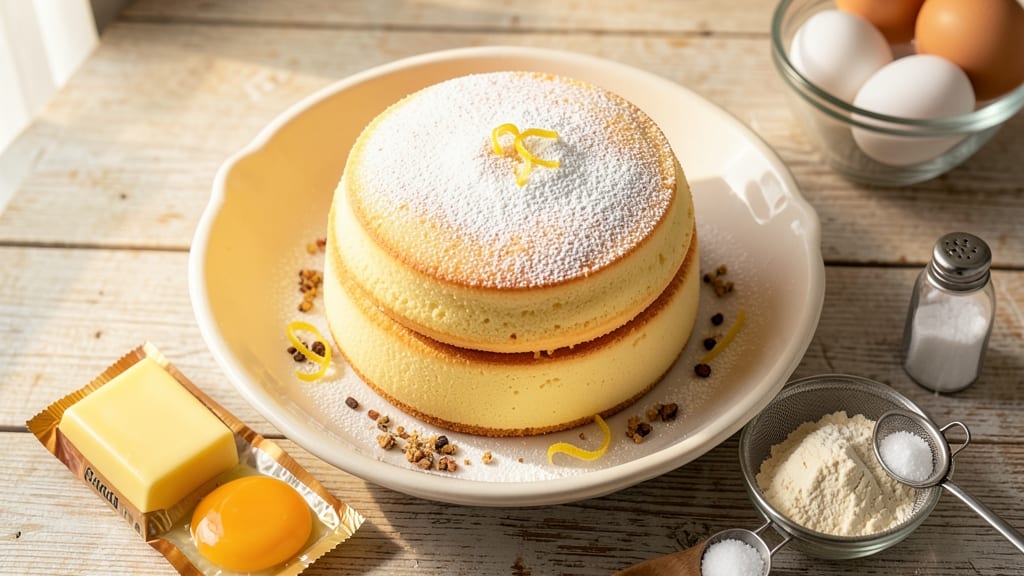
This American sponge cake recipe delivers the perfect balance of light-as-air layers and buttery stability—ideal for layer cakes, trifles, or standalone slices. The secret lies in properly folded egg whites and a precise folding technique that creates that signature tender crumb without collapsing.
I've baked countless versions, and this method consistently produces a cake that's both elegant and foolproof.
The recipe builds on traditional techniques but simplifies them for home bakers, using just six core ingredients to achieve professional results. You'll work with room-temperature eggs and butter for even texture, and the folding method ensures airy layers that hold their shape when stacked.
This isn't just another cake recipe—it's the foundation for showstopping desserts that taste homemade yet look restaurant-worthy.
What makes this sponge cake truly special is its versatility. Serve it plain with whipped cream for a classic presentation, or layer it with fruit compote and fresh berries for a seasonal twist.
The neutral flavor profile also makes it perfect for experimenting with fillings like lemon curd, chocolate ganache, or even a boozy Grand Marnier soak. Each slice will be tender, moist, and perfectly balanced.
Ready in about 45 minutes from start to finish, this recipe delivers consistent results without requiring specialized equipment. The key is patience during the folding process—don't overmix, and don't rush the baking.
When done right, you'll have a cake that's light enough to melt in your mouth yet sturdy enough to hold multiple layers. Let's get baking!
Ingredients for american sponge cake
Six ingredients transform into restaurant-quality sponge cake with light-as-air layers.
| Ingredient | Amount | Notes |
|---|---|---|
| Unsalted Butter 🧈 | 1 cup | Room temperature, not melted |
| Granulated Sugar 🍚 | 1 ½ cups | Superfine for smoother texture |
| Large Eggs 🥚 | 6 whole | Room temperature, separated |
| All-Purpose Flour 🌾 | 1 ½ cups | Sifted, spooned and leveled |
| Cream of Tartar 🧂 | ¼ tsp | Stabilizes egg whites |
| Salt 🧂 | ¼ tsp | Fine sea salt preferred |
The butter and eggs need to be room temperature—this is non-negotiable for even texture. Kirkland Signature or Plugrá butter works best for this recipe; avoid margarine or overly salted varieties. Eggs should be separated carefully, with no yolk traces in the whites. For flour, King Arthur or Gold Medal brands are ideal—they're finely milled and consistent. Cream of tartar might be in the spice aisle or baking section; if you can't find it, lemon juice at half the amount works in a pinch.
No cream of tartar? Substitute lemon juice—use half the amount (so 1/8 tsp for this recipe). For sugar, superfine is ideal, but if you only have granulated, pulse it in a food processor for 30 seconds. The butter must be soft enough to press with a finger but not greasy—microwave for 20-second bursts if needed. Egg whites can be tricky; avoid any grease from the bowl or beaters, as it deflates them instantly. If your kitchen is humid, chill the bowl before whipping.
Store baked layers wrapped in plastic wrap at room temperature for up to 3 days, or freeze for 3 months. For best results, assemble the cake within 24 hours of baking. If you're making ahead, bake the layers, cool completely, then wrap individually. The cake reheats beautifully—wrap slices in foil and warm in a 350°F oven for 5 minutes. Avoid refrigerating unbaked layers, as condensation ruins the delicate structure.
Why You'll Love This Recipe
- No Mixer Needed: I swear by this recipe when I’m in a rush—just cream the butter and sugar by hand (or with a fork in a pinch), then fold in the eggs one at a time. The cream of tartar keeps it light without overmixing, so even if my arms are tired, the cake still comes out tender.
- Buttery Vanilla Hug: That first bite? It’s like a warm embrace—rich from the butter, just sweet enough from the sugar, and the eggs give it this almost custardy depth. Honestly, I’ve tried fancier cakes, but this one always wins for pure, simple comfort.
- Layered for Days: Slice it fresh for breakfast with jam, stack it with whipped cream for dessert, or cube it for trifles—this cake holds up like a champ. I’ve even used leftover pieces to make French toast the next morning (yes, it’s that good).
- Pantry Staple Magic: Five ingredients, zero specialty items. The flour and sugar are probably already in your cupboard, and the cream of tartar (if you don’t have it) is cheap and lasts forever. It’s my go-to when I need something reliable, fast, and still impressive.
Step-by-step instructions for perfect American sponge cake
This method delivers flawless, light-as-air layers with stable structure for buttercream filling.
Prepare Ingredients for Optimal Texture
First, separate the 6 whole large eggs into yolks and whites, placing each in separate bowls. Let the 1 cup unsalted butter and eggs come to room temperature together - this ensures even incorporation. Sift the 1.5 cups all-purpose flour with the 0.25 tsp cream of tartar and 0.25 tsp salt to eliminate lumps and aerate the dry ingredients. Superfine sugar is ideal here, but if using regular granulated sugar, pulse it briefly in a food processor for smoother texture.
The room temperature ingredients are critical - cold butter won't incorporate properly, and cold eggs won't whip as fully. I like to place butter and eggs in the same bowl in my sink for about 30 minutes while I prepare other components. This temperature equilibrium makes all the difference in achieving that signature American sponge cake structure.
Whip Egg Whites to Stiff Peaks
In a clean, grease-free bowl, beat the egg whites with the 0.25 tsp cream of tartar on medium speed until soft peaks form. Gradually add the 1.5 cups granulated sugar, 1 tablespoon at a time, increasing speed to high after each addition. Continue whipping until the meringue is glossy and holds stiff peaks when the beaters are lifted - this should take about 5-7 minutes. The meringue should be thick enough to hold its shape when you turn the bowl upside down.
This is where the magic happens - the sugar stabilizes the egg whites while the cream of tartar creates that perfect balance of structure and tenderness. Don't rush this step; under-whipped meringue won't provide enough lift, while over-whipped meringue can become grainy. You'll know it's perfect when the peaks stand straight up and leave a slight trail when the beaters are removed.
Cream Butter and Sugar Together
In a separate large bowl, beat the 1 cup unsalted butter with the 1.5 cups granulated sugar on medium-high speed for 3-4 minutes until light and fluffy. The mixture should nearly double in volume and become pale in color. This process incorporates air, which creates that signature tender crumb. Scrape down the sides of the bowl occasionally to ensure even mixing.
I press down gently on the butter mixture during the first minute - this prevents air pockets from forming and ensures complete emulsification. The butter should be completely smooth with no visible lumps. This step is crucial for creating that melt-in-your-mouth texture that distinguishes American sponge cakes from other varieties.
Combine Ingredients Gently
Using a rubber spatula, fold one-third of the egg white meringue into the butter mixture to lighten it. Then, alternate adding the remaining meringue and the 1.5 cups sifted flour in three additions, beginning and ending with meringue. Fold just until combined - you should still see streaks of meringue when you lift the spatula. Overmixing develops gluten and creates a tough cake.
The key here is patience and gentle folding. I use a figure-eight motion to incorporate the ingredients without deflating the meringue. The batter should be thick and glossy, with no dry flour spots visible. If the batter looks too thick, you can fold in an additional 1 tablespoon of egg white to help it spread properly in the pans.
Bake for Evenly Cooked Layers
Divide the batter evenly between two 8-inch round cake pans lined with parchment paper. Bake in a preheated 350°F oven for 25-30 minutes, or until the tops spring back when gently touched and a toothpick inserted comes out clean. Rotate the pans halfway through baking for even cooking. The cakes are done when they're golden on top and pull away slightly from the sides of the pan.
Don't overbake - American sponge cakes should be tender, not dense. The moment the toothpick test is passed, remove the cakes from the oven immediately. Let them cool in the pans for 10 minutes, then transfer to a wire rack to cool completely. This cooling process is essential for preventing cracks and ensuring clean layers when you stack them later for buttercream filling.
Pro Tips For Making American Sponge Cake
- Weigh Your Butter: I learned this the hard way—measuring butter by volume leads to guesswork, and guesswork ruins sponge cakes. Use a kitchen scale for 120g (½ cup + 1 tbsp) and pack it just into the measuring cup before leveling. Packed butter blends better and prevents dry crumbs.
- Whisk Eggs to Ribbon Stage: Stop mixing the moment the batter holds a soft ribbon when the whisk is lifted—about 2-3 minutes past when it looks fully combined. Overmixing develops gluten, and this cake’s magic is in its tender crumb, not structure.
- Skip the Overmixing Flour: Fold in the sifted flour gently—just until no dry streaks remain. I used to treat it like pancake batter, but this cake’s lightness depends on minimal handling. A spatula’s light drag works better than vigorous stirring.
- Use Room-Temp Eggs: Cold eggs from the fridge won’t emulsify properly, and your cake will end up dense. Pop them in a bowl of warm water for 10 minutes—just enough to bring them to about 70°F (21°C). Warm eggs blend smoother and create better air pockets.
Health benefits of american sponge cake
Light Protein Source
This sponge cake delivers a surprisingly protein-rich dessert—each slice contains about 6 grams of protein from the eggs, making it a more balanced treat than many other baked goods.
The lean protein content helps stabilize blood sugar levels better than refined flour desserts, which is great for anyone watching their sugar intake or managing energy levels throughout the day. 💪
Low-Fat Option
Compared to traditional butter-based cakes, this recipe uses only 1 cup of butter for the entire cake, which translates to just 2 tablespoons per serving. The airy texture means you don’t need extra fat for richness, making it a lighter choice for those monitoring fat intake.
The butter is essential for flavor, but the folding technique ensures it’s evenly distributed without heaviness.
Gluten-Free Adaptation
While this recipe uses all-purpose flour, you can easily adapt it for gluten-free diets by substituting 1:1 gluten-free flour blend like King Arthur Measure for Measure. Replace the flour and cream of tartar with the blend, and add 1 teaspoon xanthan gum to improve structure.
The texture will be slightly denser but still tender and delicious. Always check your blend’s instructions for best results.
Rich in B Vitamins
The eggs in this recipe provide a solid dose of B vitamins, particularly B12 and riboflavin, which support energy metabolism and nervous system function. These nutrients are often lacking in processed desserts, making this sponge cake a more nutritious option.
The butter also contributes small amounts of fat-soluble vitamins like vitamin A and E, though the real star here is the egg whites’ protein and B-complex content. 💡
Versatile for Dietary Needs
This cake’s neutral flavor makes it adaptable for various dietary preferences. For a lower-sugar option, reduce the granulated sugar to 1 cup and add 1 tablespoon of honey or maple syrup to the batter.
For a vegan version, replace the butter with vegan butter and use aquafaba (chickpea brine) whipped to stiff peaks instead of egg whites—though the texture will differ slightly. The recipe’s simplicity lets you customize it without sacrificing the classic American sponge cake structure.
Nutrition facts
Frequently asked questions
Why does my American sponge cake turn out dense instead of light?
Overmixing the batter or under-whipped egg whites are the most common culprits. The folding technique is critical—stop mixing as soon as the flour disappears, and ensure your meringue holds stiff peaks before combining. Also, avoid opening the oven door too early, as sudden temperature drops can cause the cake to sink.
Can I make this sponge cake in a single 9-inch pan instead of two 8-inch pans?
Yes, but reduce the baking time to 20-25 minutes—the thinner layer will cook faster. For best results, use parchment paper to prevent sticking, and check for doneness 2 minutes early. The cake may spread more, so keep an eye on it to avoid overbaking.
How do I prevent cracks in the top of my sponge cake?
Cracks usually form from uneven cooling or overbaking. Let the cake cool in the pan for 10 minutes before transferring to a wire rack, and avoid opening the oven door during the last 5 minutes of baking. If cracks appear, they’re purely cosmetic—just fill them with buttercream before assembling!
What’s the best way to store leftover sponge cake layers?
Wrap each layer tightly in plastic wrap and store at room temperature for up to 3 days, or freeze for 3 months. For freezing, place parchment-lined layers in a sealed bag. Thaw overnight in the fridge before assembling—never at room temperature to prevent condensation.
Can I substitute cake flour for all-purpose flour in this recipe?
Yes, but reduce the amount to 1.25 cups (instead of 1.5 cups) to maintain structure. Cake flour has less protein, so it won’t hold up as well in a sponge cake’s airy texture. If using it, add 1 tablespoon cornstarch to compensate for the lack of gluten development.