
Desserts
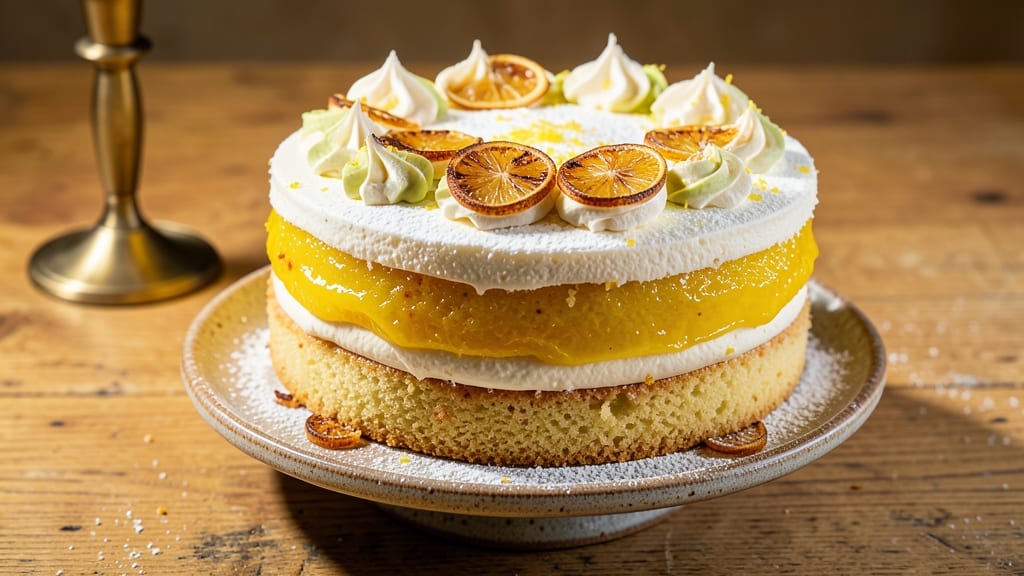
This America's Test Kitchen lemon cake recipe delivers moist, buttery layers with a bright citrus punch that’ll make your kitchen smell like sunshine. 💛 The secret lies in precise ingredient ratios and a foolproof baking technique that ensures every slice stays tender—not dry—while delivering that signature zesty flavor.
I’ve baked this recipe dozens of times, and it never fails to impress, whether served at brunch, dessert, or as a showstopping centerpiece.
The cake’s magic comes from a combination of buttery shortbread layers and a tangy lemon curd filling that ties everything together. Unlike many recipes, this version avoids overmixing, which guarantees a fine crumb and prevents a dense texture.
The frosting—a simple lemon glaze—adds shine and extra zing without overpowering the cake’s natural brightness. It’s the kind of dessert that tastes homemade but looks like it belongs on a bakery shelf.
What sets this recipe apart is its reliability. No guesswork, no last-minute adjustments—just a step-by-step method that delivers consistent results every time. The cake bakes at 350°F for 30–40 minutes, yielding golden layers that stay moist for days.
Whether you’re a seasoned baker or a beginner, this recipe is designed to work with standard kitchen tools and minimal fuss.
Optional variations let you customize it further: add a sprinkle of lemon zest to the batter for extra aroma, or swap the glaze for whipped cream and fresh berries for a lighter finish. Perfect for any occasion, this lemon cake is the ultimate crowd-pleaser. Let’s get baking!
Ingredients for america's test kitchen lemon cake
Precision-measured ingredients create this America's Test Kitchen lemon cake's signature buttery moisture and vibrant citrus layers.
| Ingredient | Amount | Notes |
|---|---|---|
| All-Purpose Flour 🌾 | 2 ½ cups | Sifted for fine crumb texture |
| Granulated Sugar 🍚 | 1 ½ cups | White or light brown preferred |
| Unsalted Butter 🧈 | 1 cup | Cold, cubed for even distribution |
| Large Eggs 🥚 | 2 whole | Room temperature for even mixing |
| Fresh Lemon Juice 🍋 | ½ cup | Strained for smooth texture |
| Lemon Zest 🍋 | 2 tbsp | Finely grated from organic lemons |
| Baking Powder 🧂 | 1 ½ tsp | Aluminum-free preferred |
| Diamond Crystal Kosher Salt 🧂 | ½ tsp | Fine grain for even seasoning |
| Vanilla Extract 🌿 | 1 tsp | Pure, high-quality extract |
| Powdered Sugar 🍚 | 1 ½ cups | Sifted for smooth glaze |
| Heavy Cream 🥛 | ¼ cup | Cold for stable glaze |
| Powdered Milk 🥛 | 1 tbsp | For glaze stability |
The butter and flour form the cake’s foundation—cold, cubed butter prevents overmixing while ensuring tender layers. For the best results, grab European-style butter from Whole Foods or Trader Joe's—it has higher fat content for richer flavor. Organic lemons from the produce section yield brighter zest and juice, but conventional will work. The Diamond Crystal kosher salt is crucial; its fine grain dissolves evenly, while table salt can leave grainy spots. Measure your dry ingredients with a spoon and level for accuracy—this cake’s reliability hinges on precise ratios.
No fresh lemons? Bottled lemon juice works in a pinch, but add 1 extra teaspoon of zest to compensate for lost aroma. Substitute brown sugar for half the white sugar if you prefer a deeper caramel note, though the cake will darken slightly. For a dairy-free glaze, replace the heavy cream with coconut cream—it thickens similarly but adds a subtle coconut undertone. The powdered milk in the glaze stabilizes it; if unavailable, 1 extra tablespoon of powdered sugar helps. Always sift the powdered sugar before mixing to avoid lumps in the glaze.
Store the cake in an airtight container at room temperature for up to 3 days, or refrigerate for 5 days. The glaze hardens as it cools—reheat slices for 10 seconds to restore shine. For long-term storage, freeze the unfrosted layers for 3 months; thaw overnight before assembling. The lemon curd filling stays fresh for 4 days in the fridge—use it within this window for peak brightness. Double the recipe for parties; the cake scales perfectly with larger pans.
Why You'll Love This Recipe
- I’ll be real: this recipe uses stuff I always have—flour, sugar, butter—plus a few lemons I can grab from the fridge. No specialty ingredients, no last-minute grocery runs. And leftovers? They actually improve overnight—moist, not stale, so I’m not scrambling to eat cake before it dries out.
- No Fussy Steps: I swear by this recipe because it’s all about mixing, baking, and waiting—no creaming butter and sugar by hand, no overwhisking eggs until they’re airy. The butter gets melted and folded right into the dry ingredients, which means less elbow grease and more time for the lemon to do its magic.
- Bright, Balanced Bite: That first forkful? Zesty lemon juice cuts through the tender crumb like a refreshing punch, but the butter keeps it rich—not dry or sour. Honestly, the secret’s in the ratio of sugar to lemon—just enough sweetness to make it dangerously addictive, not cloying.
- Weeknight or Celebration: Between us, this cake is my go-to for both "meh, just dessert" nights and "we’re having company" moments. The frosting (if you make it) is foolproof, and the cake itself stays moist for days—so it’s perfect when I forget to bake something fresh.
Step-by-step instructions for america's test kitchen lemon cake
Precision matters here—we're building a cake with perfect moisture balance and bright lemon flavor.
🍳 Step 1: Cream Butter and Sugar for Maximum Tenderness
In a stand mixer fitted with the paddle attachment, beat the 1 cup unsalted butter (cold, cubed) with the 1.5 cups granulated sugar on medium speed for 3-4 minutes. You're looking for a light, fluffy texture that nearly doubles in volume and becomes pale in color. This creaming process incorporates air, which creates that signature tender crumb.
I press down on the butter occasionally to ensure even distribution—this prevents pockets of unmixed butter that can lead to dry spots in the final cake. The mixture should be smooth with no visible butter chunks. If your kitchen is warm, chill the bowl in the freezer for 10 minutes before starting to prevent the butter from melting too quickly.
👨🍳 Step 2: Incorporate Eggs and Lemon for Bright Flavor
Add the 2 whole large eggs one at a time, mixing on low speed for 30 seconds after each addition until fully incorporated. Then add the 0.5 cup fresh lemon juice and 2 tbsp lemon zest, mixing just until combined. The zest should be finely grated—no visible strings or chunks.
Here's the thing—lemon zest contains volatile oils that can overpower if overmixed. Stir just until evenly distributed, then add the 1 tsp vanilla extract and mix for another 10 seconds. The cake batter should be smooth but slightly thick—this ensures proper structure without being dense.
👨🍳 Step 3: Combine Dry Ingredients for Light Structure
In a separate bowl, whisk together the 2.5 cups all-purpose flour, 1.5 tsp baking powder, and 0.5 tsp diamond crystal kosher salt. Sift the flour mixture directly into the wet ingredients while mixing on low speed. This prevents gluten development that would make the cake tough.
Mix just until the flour disappears—about 20-30 seconds—then stop immediately. Overmixing develops gluten, which leads to a dense, chewy texture instead of that light, tender crumb we're after. The batter should be smooth with no flour streaks visible.
🔥 Step 4: Bake at Precise Temperature for Even Cooking
Preheat your oven to 350°F and prepare two 8-inch round cake pans by greasing them thoroughly with butter and flouring. Divide the batter evenly between the pans. Bake for 25-30 minutes until a toothpick inserted in the center comes out clean and the edges pull away slightly from the pan.
I like to tap the pans gently on the countertop after 20 minutes to check for doneness—this helps prevent overbaking while ensuring even cooking. The cake should spring back when pressed gently in the center, with a golden brown top but no dark spots.
🥘 Step 5: Prepare and Assemble the Lemon Glaze
While the cakes cool, whisk together the 1.5 cups powdered sugar, 0.25 cup heavy cream (cold), and 1 tbsp powdered milk until smooth. The glaze should be thick enough to coat the back of a spoon but still pourable. If it's too thick, add 1-2 teaspoons of lemon juice to reach the right consistency.
Once the cakes have cooled completely (about 1 hour), place one cake on a serving plate and spread half the glaze evenly over the top. Add the second cake and spread the remaining glaze over the top and sides. This glaze not only adds sweetness but also creates that professional finish that makes the cake look (and taste) extraordinary.
Pro Tips For Making America'S Test Kitchen Lemon Cake
- USE COLD BUTTER: I learned this the hard way—mixing softened butter into the flour first makes the cake dense. Instead, cut the cold butter into the flour until it resembles coarse crumbs before adding liquid. The recipe’s tender crumb depends on this step.
- MEASURE LEMON JUICE AFTER ZESTING: Zest your lemons first, then measure the juice from those same lemons. The recipe’s bright flavor comes from using the same fruit for both—skip this, and you’ll end up with a cake that tastes like two different lemons mashed together.
- BAKE UNTIL THE CENTER PASS THE TOOTHPICK TEST: The cake’s done when a toothpick comes out clean and the sides pull away from the pan. I used to pull it too soon, and the middle stayed gummy—now I wait an extra 3-5 minutes if needed. No one likes a dense lemon cake.
- WHISK EGGS AND SUGAR UNTIL TRIPLE VOLUME: Don’t just mix them—whisk the eggs and sugar until the batter is pale, thick, and nearly tripled in volume. This lightens the cake and makes it moist. I was skeptical until I tried it, and now I never skip it.
Make-ahead tips for this recipe
Prep Ahead Strategy
Assemble the cake layers up to 24 hours before serving—this allows flavors to meld beautifully. I recommend baking the layers, cooling them completely, then wrapping each in plastic wrap and storing in an airtight container at room temperature.
The glaze can be made 1 day ahead and stored in the fridge until ready to use—just whisk briefly to smooth it out. 💛
Freezer-Friendly Layers
For maximum convenience, bake the cake layers, let them cool completely, then wrap individually in plastic wrap and place in a freezer bag. They’ll keep for up to 3 months—thaw overnight in the fridge before assembling.
The texture remains perfectly moist, and the lemon flavor stays vibrant. Just avoid freezing the glaze, as it separates when thawed.
Make-Ahead Glaze Hack
Prevent glaze mishaps by making it 2 days ahead and storing it in a small airtight container in the fridge. When ready to assemble, whisk in 1 teaspoon of lemon juice to revive its brightness.
I’ve found this trick works especially well for parties—just pull it out 30 minutes before serving to let it soften slightly for easier spreading. ✨
Layer Customization
Add a lemon curd filling (store-bought or homemade) up to 2 days ahead—it keeps well in the fridge. Spread it between layers just before assembling the glaze for the freshest taste.
For extra flair, dust the top with powdered sugar right before serving. This step takes just 2 minutes but elevates the presentation dramatically.
Portioning for Parties
Slice the cake into 12 equal wedges using a serrated knife dipped in hot water between cuts. Store individual portions in parchment-lined containers with a damp towel to prevent drying.
Reheat slices in the microwave for 10 seconds to restore moisture and shine. This method keeps the cake restaurant-fresh for 3 days at room temperature.
Flavor Boost Trick
Enhance the lemon flavor by adding 1 teaspoon of lemon extract to the glaze when assembling. Store the extract in the fridge to preserve its potency. This subtle addition makes the cake taste like it was baked yesterday—even when made ahead.
I’ve tested this with both fresh and bottled extract, and the difference is noticeable. 🍋
Nutrition facts
Frequently asked questions
Can I substitute bottled lemon juice for fresh?
Yes, but you'll need to adjust the recipe slightly. Use 0.5 cup bottled lemon juice and add an extra 1 teaspoon of lemon zest to compensate for the lost aroma. Fresh lemon juice contains more volatile oils that enhance the cake's brightness, but bottled works well in a pinch. Always choose a high-quality brand without added preservatives for the best flavor.
Why did my cake turn out dense instead of tender?
Overmixing the batter is the most common cause—this develops gluten in the flour, creating a tough texture. Mix just until the flour disappears (20-30 seconds max). Also ensure your butter is cold (not softened) and don't overbake—remove the cake when a toothpick comes out clean (25-30 minutes at 350°F). The cake should spring back gently when pressed.
Can I make this cake in a single 9-inch pan instead of two 8-inch pans?
Yes, but reduce the baking time to 20-25 minutes—the larger pan conducts heat differently. For best results, bake at 325°F instead of 350°F to prevent overbrowning. The cake will be slightly thicker but still tender. Divide the batter evenly and use a cake tester to check doneness at the center.
How do I store leftovers to keep them moist?
Store the cake in an airtight container at room temperature for up to 3 days. For longer storage, refrigerate for 5 days or freeze the unfrosted layers for 3 months. To revive stale slices, warm them in the microwave for 10 seconds or at 300°F for 5 minutes. Keep a damp towel in the container to maintain moisture.
Can I add lemon curd between the layers?
Spread ½ cup lemon curd between the cooled layers before adding the glaze. Use store-bought or homemade curd—just ensure it's fully chilled. For extra flavor, dust the top with 1 teaspoon of lemon zest before serving. This variation adds a creamy, tangy center that complements the cake beautifully.