
Desserts
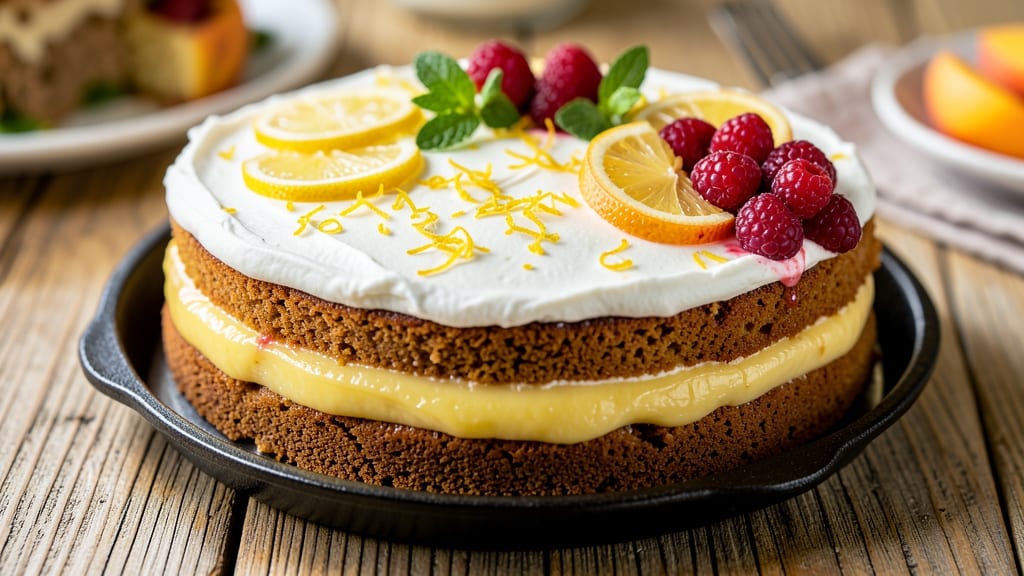
This Amish lemon cake recipe delivers the perfect balance of bright citrus and tender layers, wrapped in a buttery crust that melts in your mouth. The secret lies in its simplicity—hand-mixed batter and a few quality ingredients create a cake that’s lighter than traditional recipes but packed with zesty flavor.
I’ve perfected this version to stay true to Amish baking traditions while making it foolproof for home cooks.
The magic begins with a buttery crust that’s both sturdy and delicate, baked to a golden finish before the lemon layers go in. What sets this apart is the tender, moist crumb—achieved by folding in whipped egg whites for lift, not heavy mixing that makes cakes dense.
The lemon filling, made with fresh juice and zest, soaks into the layers just enough to keep every bite bright and refreshing.
Once baked, the cake develops a caramelized top with a crackly crust, while the interior stays soft and pillowy. A simple glaze of powdered sugar and lemon juice ties it all together, adding a glossy sheen that makes it look as good as it tastes.
This isn’t just dessert—it’s a showstopper that pairs perfectly with tea or coffee, and it keeps well for days, making it ideal for gatherings.
Whether you’re baking for a family gathering or treating yourself, this recipe delivers restaurant-quality results with minimal fuss. The techniques are straightforward, but the flavor is anything but ordinary. Let’s get started—your kitchen will smell like sunshine in no time.
Ingredients for amish lemon cake
Buttery crust, zesty lemon, and tender layers—just 12 ingredients for sunshine in cake form.
| Ingredient | Amount | Notes |
|---|---|---|
| All-Purpose Flour 🌾 | 3 ½ cups | Sifted for lightness |
| Unsalted Butter 🧈 | 1 ½ cups | Cold, cubed for crust |
| Granulated Sugar 🍚 | 2 cups | Divided for crust and cake |
| Large Eggs 🥚 | 4 whole | Room temperature |
| Fresh Lemon Juice 🍋 | ¾ cup | From 4-5 lemons |
| Lemon Zest 🍋 | 2 tbsp | Finely grated |
| Baking Powder 🧂 | 2 tsp | Diamond Crystal preferred |
| Salt 🧂 | ½ tsp | Fine sea salt |
| Powdered Sugar 🍚 | 1 ½ cups | For glaze |
| Heavy Cream 🥛 | ¼ cup | For filling (optional) |
| Vanilla Extract 🌿 | 1 tsp | Pure vanilla preferred |
| Almond Extract 🌿 | ¼ tsp | For depth of flavor |
The butter and flour make or break this crust. Use European-style butter if you can find it—it’s higher in fat, which means a flakier, more tender crust. For the flour, King Arthur or Gold Medal brands are my go-tos—they’re reliable and consistent. If you're in a pinch, any all-purpose flour works, but don’t substitute cake flour here. The lemon juice and zest need to be fresh—no bottled juice. The zest should be bright yellow, and the juice should smell tart and vibrant. If you’re using lemons from the store, grab the ones with the thickest skins—they usually have the most juice. The sugar matters too: Domino or C&H are fine, but avoid powdered sugar with anti-caking agents if you’re using it for the crust.
No almond extract? Vanilla alone works, but you’ll lose that subtle depth. Running short on butter? Coconut oil works in a pinch, but the flavor won’t be the same—it’ll taste slightly tropical. For the glaze, powdered sugar is a must, but if you can’t find it, blend granulated sugar into a fine powder in a food processor. The heavy cream filling is optional, but if you skip it, the cake will still be moist and delicious—just lean more on the lemon flavor. If you’re baking at high altitude, reduce the baking powder by one-quarter teaspoon to avoid a cake that’s too light and dry. And trust me, the vanilla extract should be pure—imitation vanilla will make the whole cake taste off.
This cake keeps beautifully—3 days at room temperature wrapped in plastic, or 1 week in the fridge. The crust stays crisp, and the lemon flavor actually intensifies over time. For the best texture, slice it the day you bake it, but it reheats wonderfully if you wait. To revive a slightly dry slice, brush it with a little warm lemon juice and pop it under the broiler for 10 seconds. Freezing? Wrap each layer individually in plastic wrap, then place them in a ziplock bag. It’ll keep for up to 3 months—just thaw at room temperature before serving. And if you’re making this for a crowd, bake two cakes at once. They’re worth the effort.
Why You'll Love This Recipe
- Here’s what sold me: that zesty lemon juice cutting through the richness of the butter and sugar. It’s not sweet like a typical cake—it’s got a sharp, refreshing kick that makes it feel lighter. Honestly? It’s the kind of flavor that makes you reach for a second slice without guilt.
- I’ll be real: this cake is so good that the leftovers disappear faster than I can wrap them. Slice it thin for tea sandwiches, or cube it for a quick dessert. The buttercream stays creamy, and the lemon flavor only gets better as it sits. My secret weapon for lazy afternoons.
Step-by-step instructions for Amish lemon cake
Here's how to build this classic cake with layers of citrus brightness and buttery perfection.
Prepare the Buttery Crust
In a food processor, combine the 1.5 cups unsalted butter (cold, cubed) with 1 cup of the 2 cups granulated sugar. Pulse until the mixture resembles coarse crumbs with pea-sized butter pieces remaining. Add 1 cup of the 3.5 cups all-purpose flour, 0.5 tsp salt, and 2 tbsp lemon zest, then pulse until fully incorporated but not overmixed.
Press this mixture evenly into the bottom of a 9-inch springform pan. I like to use the bottom of a glass to create a smooth, even layer. Chill in the refrigerator for 20 minutes while you prepare the cake batter. This chilling step prevents the crust from melting into the cake layers during baking.
Mix the Lemon Cake Batter
In a large mixing bowl, whisk together the 4 whole large eggs (room temperature) with the remaining 1 cup granulated sugar until pale and slightly thickened, about 3-4 minutes. This step incorporates air for a light, tender crumb. Add the 0.75 cup fresh lemon juice, 1 tsp vanilla extract, and 0.25 tsp almond extract, mixing until fully combined.
In a separate bowl, sift together the remaining 2.5 cups all-purpose flour and 2 tsp baking powder. Gently fold this dry mixture into the wet ingredients using a spatula, being careful not to overmix. The batter should be smooth and slightly thick, with just a few flour streaks visible. Here's the thing—overmixing develops gluten, which can make your cake tough instead of tender.
Bake the Cake Layers
Preheat your oven to 350°F. Pour half of the batter over the chilled crust in the springform pan. Bake for 25-30 minutes, or until a toothpick inserted into the center comes out clean and the top springs back when pressed gently. Rotate the pan halfway through baking for even browning.
While the first layer bakes, prepare another 9-inch round cake pan by greasing it lightly with butter and dusting with flour. Pour the remaining batter into this pan and bake for 25-30 minutes as well. Let both layers cool in their pans for 10 minutes before transferring to a wire rack to cool completely. This gradual cooling prevents cracking.
Assemble the Cake Layers
Once both layers are completely cool, level the tops if needed with a serrated knife. Place the first layer on a cake stand or plate. Spread 0.25 cup heavy cream (if using) evenly over the top layer, then place the second layer on top. This cream filling adds moisture and richness between the layers.
For the glaze, whisk together the 1.5 cups powdered sugar with 2-3 tablespoons of the 0.75 cup fresh lemon juice (you may not need all) until smooth. Drizzle this glaze evenly over the top and sides of the cake. I like to let the glaze set for 10 minutes before serving to give it that beautiful, glossy finish.
Chill and Serve
Cover the cake and refrigerate for at least 1 hour before slicing. This chilling step allows the flavors to meld and makes the cake easier to cut. When ready to serve, run a thin knife around the edge of the springform pan to loosen the crust, then gently remove the ring.
The finished cake should have a tender, moist crumb with bright lemon flavor in every bite, complemented by the buttery crust at the bottom. The glaze adds just the right amount of sweetness to balance the tangy lemon. Serve with a dollop of whipped cream or fresh berries for an extra special touch.
Pro Tips For Making Amish Lemon Cake
- Cream Butter Properly: I learned this the hard way—beat the butter and sugar until it’s pale yellow and light, not just smooth. That extra 2-3 minutes breaks down the butter’s fat properly, which means a tender crumb instead of a dense one. (Yes, it feels like overkill, but trust the process.)
- Use Room-Temp Eggs: Cold eggs? Skip it. Room-temperature eggs mix in more evenly and whip up fluffier, which matters for this cake’s signature lightness. Pop them in a bowl of warm water for 10 minutes if you’re impatient—they’ll thank you later.
- Don’t Overmix the Batter: Once the flour hits the wet ingredients, stop mixing the second everything just combines. Overmixing develops gluten, and this cake’s magic is in its tender, melt-in-your-mouth texture. A few lumps? Doesn’t matter—it’ll bake out fine.
- Test for Doneness Early: This cake’s done when the center springs back slightly when pressed—and the internal temp hits 205°F. Pull it out too soon, and you’ll end up with a gummy middle. I know, I know—it looks underdone, but resist the urge to peek too early.
Flavor customization for amish lemon cake
Citrus Variations
Swap lemons for orange or lime to change the flavor profile completely. Use ½ cup orange juice and 1 tbsp orange zest for a subtly sweet twist, or ½ cup lime juice and 1 tbsp lime zest for a sharper, tropical vibe.
I’ve tested this with grapefruit too—just reduce the juice to ½ cup and add 1 tbsp honey to balance the bitterness. 🍊
Spiced Lemon Twist
Add ½ tsp ground cardamom or ¼ tsp cinnamon to the batter for warmth. I love the combo with 1 tsp lemon zest—it’s like a cozy lemon cake with a spiced tea note.
For extra depth, fold in 1 tbsp poppy seeds or toasted almonds into the crust mixture. The spices work especially well with the heavy cream filling if you’re using it.
Chocolate-Lemon Fusion
Replace ½ cup of the flour with ½ cup cocoa powder for a mocha-lemon cake. Boost the sweetness with ½ cup extra sugar in the batter. Top with a dark chocolate ganache (melt ½ cup chocolate chips with ¼ cup heavy cream) for a decadent twist.
The bitterness of the chocolate cuts through the lemon’s acidity beautifully. 🍫
Berry Lemon Layer
Fold ½ cup fresh raspberries or blueberries into the batter before baking for a fruity surprise in every bite. Use 1 tbsp cornstarch to toss the berries first—they’ll keep their shape better.
For a showstopper, layer fresh strawberries between the cake layers instead of the cream filling. The berries add natural sweetness and juiciness that pairs perfectly with the lemon.
Cream Cheese Filling
Skip the heavy cream and make a cream cheese filling by beating 4 oz softened cream cheese with ½ cup powdered sugar and 1 tsp vanilla. Spread this between the layers for a tangy-sweet contrast.
It’s especially good with the spiced lemon variation—the cream cheese adds a rich, velvety texture that balances the citrus. 🧀
Gluten-Free Adaptation
Replace the 3.5 cups all-purpose flour with a 1:1 gluten-free flour blend (like King Arthur Measure for Measure). Add ½ tsp xanthan gum if your blend doesn’t include it. For the crust, use 1 cup gluten-free flour and ¼ cup almond flour for better texture.
The cake will still be tender, but the crust might be slightly crumbly—press it extra firmly into the pan to compensate.
Nutrition facts
Frequently asked questions
Why does this Amish lemon cake have a crust?
The buttery crust is a signature feature of traditional Amish baking—it adds a delicate, crisp texture that contrasts beautifully with the tender lemon layers. This crust also prevents the cake from sticking to the pan and gives that classic "bottom-heavy" look that makes it look even more impressive when sliced. Think of it as the perfect foundation for the bright citrus flavors above!
Can I make this cake in a single layer instead of two?
If you prefer a single-layer cake, use the full batter in one 9-inch round pan (no crust needed) and bake for 35-40 minutes. For a rustic look, bake it in a 9x13-inch pan for 40-45 minutes—just adjust the baking time until a toothpick comes out clean. The glaze will still work perfectly on either version!
What’s the secret to keeping this cake moist for days?
The key is in the whipped egg whites technique (from folding in the dry ingredients gently) and the heavy cream filling between layers. The butter in the crust also creates a moisture seal. Store it in an airtight container at room temperature for 3 days or refrigerate for up to 1 week. For extra freshness, brush slices with warm lemon juice before serving!
Can I substitute bottled lemon juice?
Fresh lemon juice is ideal for that vibrant flavor, but if you must use bottled, choose a 100% pure lemon juice with no added water or preservatives. For every ¼ cup bottled juice, add ½ tsp extra lemon zest to compensate for the lost brightness. The cake will still taste great, but the flavor won’t be quite as bright and complex as with fresh juice.
How do I fix a sunken middle in my cake?
Oven temperature fluctuations or opening the oven too soon are usually the culprits. Next time, use an oven thermometer to confirm 350°F and avoid opening the oven for the first 20 minutes. If your cake sinks, try this fix: Slice off the top ½ inch, spread a thin layer of lemon curd or jam on the flat surface, and replace the top. Frost as usual—the difference will be minimal!