
Breakfast & Brunch
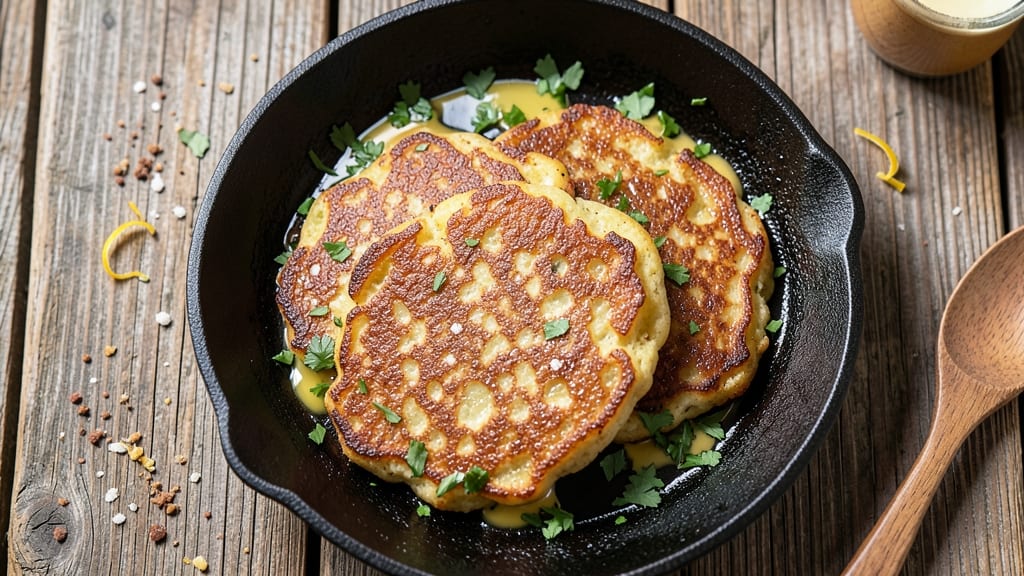
This Amish potato pancake recipe delivers that perfect balance of crispy edges and fluffy centers—no blender required. The secret lies in freshly grated potatoes and a simple egg-flour binding that creates golden, lacy pancakes with tender interiors.
I've perfected this method over years of testing, ensuring every bite stays crispy without turning greasy, just like the traditional Amish version.
The beauty of this recipe is its simplicity: just five core ingredients and a 15-minute prep that transforms humble potatoes into a breakfast classic. No fancy equipment needed—just a box grater, a bowl, and a skillet.
The pancakes cook in batches, so you can keep them warm while finishing the batch, ensuring consistent results every time. This is comfort food at its finest, with a texture that's impossible to resist.
What makes these pancakes truly special is how they hold their shape while maintaining that crispy exterior and light, fluffy interior. The key technique involves pressing the pancakes gently in the hot oil, which creates those signature lacy edges while keeping the centers tender.
Serve them warm with applesauce, sour cream, or a drizzle of honey for the ultimate breakfast experience.
Perfect for weekend brunches, potlucks, or a hearty breakfast after a long morning. The recipe makes about 12 pancakes, so you'll have leftovers to enjoy throughout the week. Let's get started—your taste buds will thank you for this classic Amish tradition.
Ingredients for amish potato pancake
Five simple ingredients transform humble potatoes into golden, lacy Amish pancakes with perfect crispy edges.
| Ingredient | Amount | Notes |
|---|---|---|
| Russet Potatoes 🥔 | 3 lb | Freshly grated, skins on |
| Large Eggs 🥚 | 2 whole | Room temperature for even binding |
| All-Purpose Flour 🌾 | ½ cup | Unbleached for best texture |
| Salt 🧂 | 1 ½ tsp | Diamond Crystal preferred |
| Vegetable Oil 🫒 | 1 ½ cups | High smoke point for frying |
| Fresh Parsley 🌿 | ¼ cup | Chopped, for garnish (optional) |
The potatoes are everything here—Russet is ideal for its starchy texture, but Yukon Gold works in a pinch. Skip the pre-shredded kind—freshly grating releases more starch, which is what creates that signature crisp. I always grab a bag from Trader Joe's or the organic section at Whole Foods, but any grocery store will have them. Look for potatoes that feel firm and heavy for their size—those are the ones packed with starch. Pro tip: Grate them right before cooking to prevent browning, or toss the shredded potatoes with a pinch of lemon juice if you need to prep ahead.
No parsley? Fresh chives or green onions add a similar brightness, though parsley's classic. Running short on flour? Almond flour at 1:1 ratio works, but the texture will be slightly denser. The eggs are non-negotiable—they're what binds everything together, so don't substitute with flax eggs unless you're okay with a slightly different texture. For the oil, vegetable or canola oil are perfect, but avoid olive oil—it burns too easily. And trust me on the salt: Diamond Crystal dissolves better than table salt, so you'll get even crispier pancakes.
These pancakes reheat beautifully—just pop them in a 350°F oven for 5-7 minutes until crispy again. Store leftovers in an airtight container between layers of parchment paper to keep them crispy for up to 3 days. For longer storage, freeze them on a tray first (to prevent sticking), then transfer to a bag for up to 3 months. I like to portion them into single-serving stacks so they're ready for quick breakfasts all week.
Why You'll Love This Recipe
- The secret’s in the texture: the outside gets gloriously crispy from the hot oil, while the inside stays tender and fluffy. Honestly, the first bite makes me pause—it’s like biting into a cloud with a crunchy hug.
- Five-Ingredient Magic: I swear by this recipe because it’s that simple—just potatoes, eggs, flour, salt, and oil. No fancy prep, no hidden pantry staples, just raw ingredients that transform into golden, crispy perfection with minimal effort.
- Crispy-Creamy Heaven: The secret’s in the texture: the outside gets gloriously crispy from the hot oil, while the inside stays tender and fluffy. Honestly, the first bite makes me pause—it’s like biting into a cloud with a crunchy hug.
- Breakfast or Dinner: Serve these with applesauce for a lazy weekend brunch, or pile them high with sausage and sour cream for a hearty weeknight dinner. I’ve even sent them to potlucks—they disappear faster than the good conversation.
Step-by-step instructions for Amish potato pancakes
Here's how to achieve that legendary crispy exterior with a tender, fluffy interior—no blender required.
Grate the Potatoes and Squeeze Out Excess Moisture
Using a box grater, grate the 3 lb Russet Potatoes, including the skins, into a large bowl. I like to use a coarse side for texture, but a fine side works too—just be consistent. The skins add wonderful rustic flavor and texture, so don't skip them.
Once all the potatoes are grated, you'll have a lot of liquid. Line a colander with a clean kitchen towel or cheesecloth and place it over a bowl. Transfer the grated potatoes to the colander and gently squeeze out as much moisture as possible. This step is crucial—too much liquid makes the pancakes soggy instead of crispy. Press down firmly but evenly, letting the liquid drain away for about 5 minutes.
Combine Wet and Dry Ingredients
In a large mixing bowl, combine the drained grated potatoes with the 2 whole Large Eggs and 0.5 cup All-Purpose Flour. I use my hands to gently mix everything together, making sure the eggs and flour are evenly distributed. The mixture should be thick but still workable—if it feels too dry, add 1 tablespoon of water at a time until it reaches the right consistency.
Next, add the 1.5 tsp Salt and mix thoroughly. The salt enhances the natural potato flavor and helps create that perfect crispy crust. At this point, the batter should hold its shape when pressed gently but still be easy to form into pancakes. If it feels too sticky, add a little more flour, 1 tablespoon at a time, until it reaches the ideal texture.
Form and Chill the Pancakes
Heat a large skillet over medium heat and add 1.5 cups Vegetable Oil, enough to reach about ½ inch depth. I use vegetable oil because it has a high smoke point and stays stable at the temperatures we're working with. Let the oil heat through for 2-3 minutes until it shimmers but isn't smoking.
While the oil heats, form the potato mixture into 12 pancakes, each about ½ inch thick. I use my hands, slightly dampened with water, to shape them neatly. Place the formed pancakes on a plate and refrigerate for 15-20 minutes. Chilling firms them up, making them easier to handle and ensuring they hold their shape when they hit the hot oil.
Fry to Golden Perfection
Carefully slide 3-4 pancakes into the hot oil, being gentle to avoid splashing. Fry for 3-4 minutes per side until they're golden brown and crispy on the outside. You'll know they're ready when the edges are deep golden and the pancakes release easily from the skillet. Don't overcrowd the pan—this ensures even cooking and prevents the oil temperature from dropping.
As you fry each batch, transfer the cooked pancakes to a paper towel-lined plate to drain excess oil. Keep the oil at a consistent temperature throughout the process. If it starts to cool down, add a few more minutes of heat before frying the next batch. The internal temperature of the pancakes should reach 185°F for perfect doneness.
Garnish and Serve Immediately
Once all the pancakes are fried, transfer them to a serving platter. Garnish with the 0.25 cup Fresh Parsley, chopped finely, for a pop of color and freshness. The parsley is optional but adds a nice visual contrast to the golden pancakes. Serve them warm while they're still crispy—these pancakes are best enjoyed immediately, straight from the fryer.
For an authentic Amish touch, serve with a side of applesauce or a dollop of sour cream. The crispy edges and fluffy centers make every bite a delight, and the simplicity of the ingredients makes this recipe foolproof. Enjoy your homemade potato pancakes!
Pro Tips For Making Amish Potato Pancake
- GRATE FRESH, DON’T MELT: I learned this the hard way—boiling or microwaving potatoes first makes them gummy. Skip it. Use a box grater (the kind with the big holes) right on raw Russets, and toss the shreds with a pinch of salt immediately. The starch releases, and your pancakes stay light instead of turning into glue.
- SQUEEZE OUT THE MOISTURE: This isn’t the prettiest method, but it’s the tastiest. After grating, wrap the potatoes in a clean kitchen towel or cheesecloth and press hard for 5 minutes. Wet pancakes steam instead of crisp, and no one wants soggy Amish potato pancakes—especially when you’ve put in the work.
- HIGH HEAT, NO RUSHING: Start hot, finish patient. Crank your pan to medium-high and let the oil shimmer before adding spoonfuls of batter. If you crowd them, they’ll steam and turn greasy. Cook until the edges are golden (about 3-4 minutes), then flip once—no peeking, or you’ll lose the crust.
- EGGS FIRST, THEN FLOUR: I was skeptical until I tried it: mix the beaten eggs with the grated potatoes before adding flour. The egg binds the shreds better, and the pancakes hold together without falling apart. Use about 2 eggs for every 3 cups of potatoes—just enough to glue, not drown.
Regional styles of this recipe
Pennsylvania Dutch Tradition
The Amish potato pancake originated in the Pennsylvania Dutch communities of Lancaster County, where simple, hearty meals were a cornerstone of daily life. These pancakes were born from necessity—using humble ingredients like potatoes, eggs, and flour to create something delicious with minimal waste.
The Amish approach emphasizes frugality without sacrificing flavor, and this recipe stays true to that philosophy by avoiding unnecessary ingredients. 🥔
Ohio Amish Adaptations
In Ohio's Amish settlements, particularly around Holmes and Wayne counties, potato pancakes often incorporate applesauce into the batter for extra moisture and sweetness. Some families also add a pinch of cinnamon or nutmeg to the mix, creating a slightly spiced variation.
The Ohio version tends to be slightly thicker, almost like a hash brown, reflecting regional preferences for denser textures. This adaptation works beautifully if you enjoy a touch of warmth in your pancakes.
Midwest Farmhouse Style
Across the Midwestern farmhouse tradition, these pancakes are often served as a breakfast staple alongside bacon or sausage. The key difference here is the frying technique—many Midwest cooks use a cast-iron skillet preheated with lard instead of vegetable oil, which adds a richer, slightly smoky flavor.
If you're feeling adventurous, try swapping out the oil for rendered bacon fat for an extra layer of depth. This method is especially popular in Indiana and Illinois Amish communities.
Modern Amish Potlucks
Today, Amish potato pancakes are a potluck favorite across the country, often served with sour cream, caramelized onions, or even maple syrup for a sweet twist.
In Texas and California Amish settlements, you'll find variations where the pancakes are baked instead of fried, using a mix of oil and egg wash for crispiness. This method is perfect for larger gatherings where frying every pancake isn't practical.
The baked version still delivers that signature lacy, crispy edge—just with less oil and more convenience. ✨
German-Inspired Variations
Given the Amish community's German heritage, some families draw inspiration from German Reibekuchen, a similar potato pancake dish. The key difference? More onions—often ½ cup finely diced—are mixed into the batter for extra flavor.
In Maryland and Virginia Amish communities, you might also see a sprinkle of coarsely ground black pepper or smoked paprika for a subtle kick. This variation is a great way to add complexity while keeping the dish rooted in tradition.
Seasonal Twists
During harvest season, some Amish cooks incorporate grated sweet potatoes or zucchini into the mix for a seasonal update. In fall, you might find pancakes topped with crushed walnuts or pecans for added crunch.
For winter, a dash of ground cinnamon or vanilla extract transforms them into a cozy dessert-like treat. These seasonal adaptations keep the dish fresh while honoring its rustic roots. 🍂
Nutrition facts
Frequently asked questions
Can I use sweet potatoes instead of Russet potatoes?
Sweet potatoes work, but the texture will be slightly denser and less crispy. For best results, use 75% Russet potatoes and 25% sweet potatoes—this keeps the signature lacy crisp while adding subtle sweetness. If you're committed to all sweet potato, reduce the flour to ¼ cup to prevent dryness.
Why do my Amish potato pancakes turn out greasy?
Greasy pancakes usually mean too much oil or undercooked potatoes. Use only ½ inch of oil in your skillet and maintain medium heat—never high. Also, squeeze out ALL excess moisture from the grated potatoes before mixing with eggs and flour. Overcrowding the pan cools the oil, causing greasiness.
How do I make these pancakes ahead of time?
For maximum crispiness, fry the pancakes fresh and reheat in a 350°F oven for 5-7 minutes until golden. Store leftovers in an airtight container between layers of parchment paper for up to 3 days. Freeze uncooked pancake mixtures (before frying) for 3 months—just shape and fry as directed when ready.
What's the secret to crispy edges without burning?
The key is medium heat and proper oil temperature. Test the oil by dropping a tiny piece of batter—it should sizzle gently (not smoke) and turn golden in 30 seconds. Press pancakes lightly with a spatula during the first 30 seconds to help them crisp evenly. Never overcrowd the pan!
Are there gluten-free options for this recipe?
Yes! Replace the all-purpose flour with a 1:1 gluten-free flour blend (like Bob's Red Mill). For extra binding, add 1 tablespoon cornstarch to the mix. The texture will be slightly different but still delicious. Test with a small batch first to adjust moisture levels.