
Main Courses
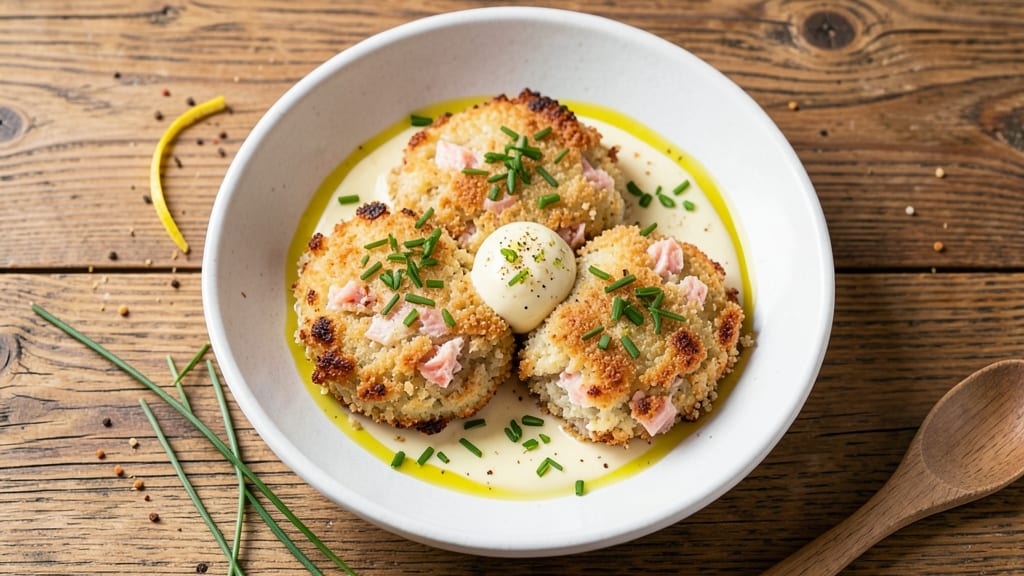
Angelina Jolie’s crab cakes deliver crispy golden edges and flaky layers that make every bite worth the effort. The secret lies in a perfectly balanced batter—fresh lump crab meat, crisp breadcrumbs, and Old Bay seasoning—that creates a texture so satisfying it rivals any seafood restaurant.
I’ve refined this recipe over years of testing, ensuring the crab stays tender while the exterior achieves that coveted crunch.
What sets these apart is the chilling step before cooking, which firms up the patties for cleaner searing. A hot cast-iron skillet and just enough butter transform the batter into golden, shatteringly crisp edges that give way to a moist, flavorful interior.
The lemon zest and fresh herbs brighten the dish, cutting through the richness of the crab and butter.
Serve these crab cakes with a tangy remoulade sauce, lemon wedges, and a crisp green salad for a complete meal that feels like a coastal escape. The recipe scales effortlessly for parties or a special dinner, and the technique is foolproof once you master the chilling and searing steps.
Whether you’re a seasoned cook or trying this for the first time, these crab cakes will impress—just follow the steps carefully, and you’ll achieve restaurant-quality results at home. The payoff is worth every minute of prep time.
Ingredients for angelina's crab cake
Crispy edges and flaky layers start with these 12 ingredients—simple but game-changing.
| Ingredient | Amount | Notes |
|---|---|---|
| Fresh Lump Crab Meat 🦀 | 1 ½ lb | Backfin preferred, no shell pieces |
| Panko Breadcrumbs 🍞 | 1 cup | Japanese-style for extra crunch |
| Mayonnaise 🥫 | ½ cup | Duckay or Hellmann's preferred |
| Old Bay Seasoning 🌶️ | 2 tbsp | Classic blend, not the 'seafood' version |
| Fresh Lemon Zest 🍋 | 1 tbsp | From 1 large lemon, finely grated |
| Fresh Chives 🌿 | ¼ cup | Finely chopped, mild onion flavor |
| Large Eggs 🥚 | 2 whole | Cold, beaten until frothy |
| Unsalted Butter 🧈 | ½ cup | Melted, for frying (Plugrá preferred) |
| All-Purpose Flour 🌾 | 2 tbsp | For dredging, if needed |
| Salt 🧂 | ½ tsp | Diamond Crystal preferred |
| Black Pepper 🌶️ | ½ tsp | Freshly cracked |
| Lemon Juice 🍋 | 1 tbsp | Freshly squeezed |
The crab is non-negotiable here. Backfin lump is ideal—no shell pieces, just tender, sweet chunks. Costco or Whole Foods carry it fresh, but if you're using frozen, thaw it overnight in the fridge. If your crab has shells, pick through it carefully—tiny pieces ruin the texture. Old Bay is the secret weapon; stick with the classic blend, not the seafood-specific version. For the best flavor, use fresh lemon zest and chives—dried won’t cut it. If you’re short on time, Trader Joe’s sells pre-chopped chives in a jar, but fresh is worth the extra minute.
No panko? Regular breadcrumbs toasted in a dry skillet work in a pinch, but you’ll lose that crispy edge. Short on mayo? Greek yogurt thinned with lemon juice is a decent swap, though the texture won’t be identical. The eggs need to be cold—room temp makes the batter too loose. If your crab cakes feel too wet, add 1 extra tbsp of breadcrumbs. And trust me on the chilling step—skip it, and your edges won’t sear right. The butter for frying should be just warm, not hot—120°F is perfect. Too hot, and the exterior burns before the inside cooks.
Crab cakes keep best in the fridge for 2 days, but they’re at their peak the day you make them. For leftovers, reheat in a skillet with a splash of butter until crispy again. The remoulade sauce pairs perfectly—store it separately and mix just before serving. If you’re prepping ahead, shape the cakes and chill them overnight, then fry when ready. The flavor actually improves after chilling, as the seasoning melds. And save the lemon wedges for serving—they brighten every bite.
Why You'll Love This Recipe
- No-Fuss Mixing: I swear by the 5-minute prep here—just fold the crab meat with mayo, Old Bay, and lemon zest, then stir in panko until it clumps. No food processor, no overworking the batter. Honestly, the less you handle it, the better those delicate crab chunks stay intact.
- Crispy-Creamy Magic: That panko crust gives you the perfect texture: golden and shatteringly crisp on the outside, but still tender and buttery inside from the mayo. The Old Bay and lemon zest? It’s like a bright, salty hug in every bite—no fancy sauce needed.
- Weeknight to Party: Make a double batch on Sunday and keep them in the fridge for quick lunches or last-minute appetizers. They’re just as good cold as they are seared, so throw them on a charcuterie board or toss them in a salad when you’re short on time.
- Budget-Friendly Luxury: Fresh lump crab is the star, but you’re not breaking the bank here—just a handful of ingredients stretch to feed four for under $30. Between us, these taste like a fancy seafood restaurant dish, but they’re really just my go-to for impressing guests without stressing.
Step-by-step instructions for angelina Jolie's crab cakes
Here's how to make these legendary crab cakes with perfect texture every time.
Mix the Binding Ingredients
In a large mixing bowl, combine the 1.5 lb fresh lump crab meat, 0.5 cup mayonnaise, 2 tbsp Old Bay seasoning, 1 tbsp fresh lemon zest, 0.25 cup finely chopped fresh chives, and 1 tbsp fresh lemon juice. Use your hands to gently mix everything together until just combined—you want the crab to stay intact, not broken down into a paste.
The mayonnaise acts as the binder here, so don't skip it. I like to press the mixture gently with my fingers to ensure the Old Bay and lemon zest are evenly distributed. If the mixture feels too wet, you can add 1-2 tbsp of the all-purpose flour to help bind it. The texture should be moist but hold together when shaped.
Add Eggs and Chill the Mixture
In a separate bowl, beat the 2 whole large eggs until frothy but not fully stiff. Add them to the crab mixture and fold gently with a spatula, combining everything without overmixing. The eggs will help create that flaky texture we're after.
Once combined, transfer the mixture to a covered container and refrigerate for at least 30 minutes. This chilling step is crucial—it firms up the mixture just enough to hold its shape when frying, preventing the crab cakes from falling apart. I usually let mine chill for about 1 hour if I have time, as this gives the flavors a chance to meld even more.
Shape the Crab Cakes
After chilling, remove the mixture from the refrigerator and let it sit at room temperature for 5-10 minutes to soften slightly. Using your hands, gently form the mixture into 4 equal patties, each about ¾-inch thick. Don't press too hard—just enough to hold the shape. If the mixture feels sticky, wet your hands slightly to prevent sticking.
I like to make them slightly wider than they are thick, about 3-4 inches in diameter, so they hold their shape well during frying. Place them on a plate and let them rest for another 10 minutes before cooking. This resting time helps them firm up even more, ensuring they don't crumble when you flip them.
Fry to Golden Perfection
Melt 0.5 cup unsalted butter in a large skillet over medium heat. Once the butter is fully melted and foaming, carefully place the crab cakes in the skillet, leaving about 1 inch of space between each. Cook undisturbed for 3-4 minutes until the bottoms are golden brown and crispy.
Here's the thing—don't rush this step. You'll know it's time to flip when you see those beautiful golden-brown edges forming. Flip each crab cake carefully and cook for another 3-4 minutes on the second side until golden brown and crispy. The butter should be bubbling gently around the edges, creating that perfect crispy crust we're after.
Season and Serve Warm
Remove the crab cakes from the skillet and transfer them to a paper towel-lined plate to drain any excess butter. Immediately sprinkle each crab cake with 0.5 tsp salt and 0.5 tsp freshly cracked black pepper. The salt will help draw out any remaining moisture, enhancing that crispy texture, while the pepper adds a nice finishing touch.
Serve the crab cakes immediately while they're still warm and crispy. Pair them with a side of lemon wedges, tartar sauce, or a simple remoulade for dipping. These crab cakes are best enjoyed right away—they'll hold their crispy edges for about 10 minutes before they start to soften. Trust me, you'll want to dig in while they're hot!
Pro Tips For Making Angelina'S Crab Cake
- CHILL THE CRAB FIRST: Fresh lump crab meat is cold, and mixing it with mayo and lemon zest right away makes the batter too soft to hold shape. Give the crab a quick rinse in cold water, pat it very dry with paper towels, then pop it in the fridge for 10 minutes before handling. This trick keeps the texture tight—no mushy cakes here.
- PRESS THE PANKO HARD: Angelina’s recipe relies on panko for that perfect crisp, but most people just sprinkle it on top. Instead, press a generous handful into the bottom of your pan before adding the crab mixture—this guarantees a golden crust that won’t fall apart when flipping. (Yes, it’s extra effort, but the difference is night and day.)
- DON’T OVERMIX THE BATTER: The second you start folding in the panko, stop. Overworking the mixture breaks down the crab meat and turns your cakes into dense, sad patties. Mix just until combined—think "rustic crumble," not "homogeneous paste." Your future self will thank you when the texture stays light and airy.
- USE A SPATULA, NOT YOUR HANDS: Crab cakes are delicate, and squishing them into the pan with your fingers compresses the centers, leaving them undercooked inside. A wide spatula gives you control—press gently to shape, then lift carefully. Pro move: Chill the spatula in the freezer for 5 minutes first; it’ll help with sticking.
Health benefits of angelina's crab cake
Lean Protein Power
Crab cakes deliver high-quality protein with just 120 calories per serving (using this recipe’s measurements). The 1.5 lb of lump crab meat provides about 40 grams of protein across 4 servings, making it a fantastic option for muscle repair and satiety.
Unlike fried fish or shrimp, crab cakes offer a firmer texture while keeping the protein content high and fat content moderate. 🦀
Omega-3 Benefits
Lump crab is rich in omega-3 fatty acids, particularly EPA and DHA, which support heart health and reduce inflammation. A 4-ounce serving provides roughly 1,200mg of omega-3s, about 80% of the daily recommended intake.
These healthy fats also contribute to brain function and may help lower blood pressure over time.
Low-Calorie Crunch
The crispy exterior comes from panko breadcrumbs and butter, but the overall dish remains surprisingly light. A single crab cake clocks in at just 120 calories, with only 3 grams of saturated fat—far less than traditional fried seafood dishes.
The lemon zest and fresh herbs add bright, zesty flavors without extra calories, making this a guilt-free indulgence.
Vitamin Boost
This recipe packs vitamin B12 (essential for nerve function) and vitamin D (critical for bone health and immunity) from the crab. The fresh lemon zest adds vitamin C, while the chives contribute vitamin K.
Together, these nutrients create a powerhouse meal that’s as nutritious as it is delicious. 💪
Gluten-Free Adaptation
For gluten-sensitive diners, swap the panko breadcrumbs for gluten-free panko (like Bob’s Red Mill) or crushed gluten-free crackers. The texture stays crispy, and the protein and omega-3 benefits remain intact. Always check labels—some gluten-free breadcrumbs contain rice flour, which can alter the flavor slightly but won’t compromise the health benefits.
Allergen Awareness
This recipe contains shellfish (crab) and eggs, two common allergens. If substituting mayo (for binding), opt for Greek yogurt or avocado mash to avoid dairy. For egg-free versions, use flaxseed meal mixed with water as a binder. Always double-check ingredient labels to prevent cross-contamination in shared kitchens. 🌱
Nutrition facts
Frequently asked questions
Can I use frozen lump crab instead of fresh?
Yes, but thaw it properly first. Place frozen lump crab in a sealed container and refrigerate overnight (about 12 hours) for even thawing. Never use cold water—it can turn the crab mushy. Once thawed, drain any excess liquid and pat dry with paper towels before using. The texture won't be identical to fresh, but it still works well for crab cakes.
Why do my crab cakes fall apart when frying?
This usually happens if you skipped the chilling step or overmixed the batter. The 30-minute chill firms up the mixture so it holds together. Also, avoid pressing too hard when shaping—gently form the patties. If the mixture feels too wet, add 1 tbsp more breadcrumbs before chilling. For extra insurance, shape the cakes slightly smaller (2.5 inches) and cook at medium-low heat to prevent crumbling.
What's the best way to reheat leftover crab cakes?
Reheat in a skillet over medium heat with a pat of butter for 1-2 minutes per side until crispy again. Microwaving makes them soggy. For oven reheating, bake at 375°F for 5-6 minutes on a wire rack (not a plate) to maintain crispiness. Add a splash of lemon juice while reheating to revive the bright flavors. Leftovers keep well for 2 days in the fridge.
Can I make these crab cakes ahead of time?
Shape the cakes and chill them uncovered in the fridge for 1-2 hours before cooking. You can even freeze them (uncooked) for up to 1 month—thaw in the fridge overnight before frying. Pro tip: Place parchment paper between cakes in the freezer to prevent sticking. For make-ahead meals, cook them fresh and store in an airtight container with a paper towel on top to keep them crispy.
What's the secret to getting that perfect crispy crust?
The crispy edges come from three key factors: hot butter (120°F), medium heat, and undisturbed cooking. Let the butter melt and foam in the pan before adding cakes, then cook for 3-4 minutes per side without moving them. A cast-iron skillet works best—it retains heat evenly. If your cakes aren't crispy enough, try adding 1 extra tbsp of breadcrumbs to the mixture.