
Desserts
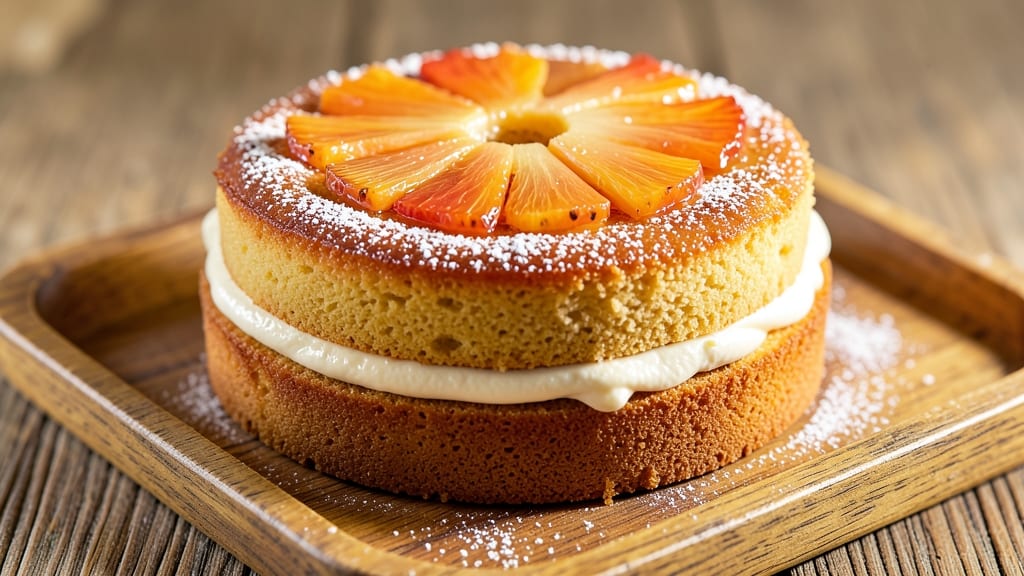
This Asian pineapple cake brings tropical flavors to your kitchen with layers of citrusy pineapple and a coconut crunch that makes every bite unforgettable.
Inspired by classic Asian desserts, this recipe combines tender cake with juicy pineapple chunks and a toasted coconut topping for texture that contrasts beautifully with the soft layers. The secret lies in balancing sweetness with the natural tartness of pineapple, creating a dessert that’s both vibrant and comforting.
The recipe starts with a simple yet flavorful cake batter—just flour, sugar, eggs, and a touch of baking powder—infused with pineapple juice for moisture and depth. Fresh pineapple chunks are layered between the batter for bursts of juicy sweetness, while a crumbly coconut topping adds a satisfying crunch.
Baking at 350°F ensures the cake stays tender while the coconut topping turns golden and fragrant, sealing in all the tropical goodness.
What you’ll end up with is a cake that’s as visually stunning as it is delicious—golden layers of cake, jewel-like pineapple chunks, and a blanket of toasted coconut that looks as good as it tastes.
The aroma alone will have everyone gathering around the table, and the first bite delivers a perfect balance of sweet, tangy, and crunchy. This is the kind of dessert that feels special enough for celebrations but simple enough for a weeknight treat.
For an extra touch, drizzle with a light caramel or dust with powdered sugar before serving. The cake keeps well for up to 3 days, making it perfect for meal prep or gifting. Let’s bring a taste of the tropics to your kitchen—one delicious layer at a time.
Ingredients for asian pineapple cake
Gather these tropical ingredients for a cake bursting with pineapple sweetness and coconut crunch.
| Ingredient | Amount | Notes |
|---|---|---|
| All-Purpose Flour 🌾 | 2 cups | Sifted for light texture |
| Granulated Sugar 🍚 | 1 ½ cups | White or light brown |
| Large Eggs 🥚 | 4 whole | Room temperature preferred |
| Unsalted Butter 🧈 | 1 cup | Melted, full-fat for richness |
| Pineapple Juice 🍍 | ½ cup | Fresh or canned, unsweetened |
| Vanilla Extract 💧 | 1 tbsp | Pure, high-quality extract |
| Baking Powder 🍞 | 1 ½ tsp | Double-acting preferred |
| Salt 🧂 | ½ tsp | Fine sea salt |
| Fresh Pineapple Chunks 🍍 | 2 cups | Diced, firm variety |
| Shredded Coconut 🥥 | 2 cups | Sweetened, unsweetened works too |
| Brown Sugar 🍚 | ½ cup | Packed, for topping |
| Ground Cinnamon 🌿 | 1 tsp | For coconut topping |
| Powdered Sugar 🍚 | ¼ cup | For dusting, optional |
Fresh pineapple is key here—look for firm, vibrant fruit at the store. Trader Joe's and Costco often have great deals on whole pineapples, but pre-cut chunks work too (just drain them well). For the coconut, unsweetened shreds let you control the sweetness, but sweetened is fine if you prefer. The butter should be full-fat for that rich, moist texture—none of that low-fat nonsense. If you're short on time, canned pineapple juice works just as well as fresh, but fresh has more depth. Don't skip the vanilla—it's what ties all those tropical flavors together.
No fresh pineapple? Canned chunks in juice (not syrup) are your best bet—just drain them well. Out of vanilla? Vanilla bean paste or even a splash of almond extract works in a pinch. The baking powder is non-negotiable—double-acting ensures proper rise. For the coconut topping, toasted coconut flakes add extra crunch, but regular shredded works too. If you're feeling fancy, swap half the pineapple chunks for mandarin orange segments for a citrus twist. And yes, you can make this cake gluten-free by using a 1:1 gluten-free flour blend—just increase the baking powder by a pinch.
This cake keeps beautifully—3 days at room temperature or 1 week in the fridge wrapped tightly. For longer storage, freeze it for up to 3 months (thaw at room temp before serving). The pineapple chunks stay juicy if you store the cake in an airtight container with a paper towel on top to absorb excess moisture. Serve warm with a scoop of vanilla ice cream or dusted with powdered sugar for that bakery finish. Leftovers? Toast slices lightly for a warm dessert any time.
Why You'll Love This Recipe
- No-Fuss Mixing: I swear by this batter—just flour, sugar, eggs, butter, and pineapple juice. No weird ratios, no last-minute scrambling for obscure spices. The butter and pineapple juice create a tender crumb without needing fancy techniques, and honestly? My first attempt turned out fine despite me forgetting to cream the butter properly.
- Sweet-Tart Magic: That pineapple juice isn’t just flavor—it’s the star. The cake has this bright, almost tropical sweetness that cuts through the richness of the butter, and the eggs give it a moist, cakey texture that’s almost like a cross between pound cake and a simple sponge. My husband takes seconds every time, and he’s not even a dessert guy.
- Leftover Hero: This cake stays fresh for days, and the best part? It’s just as good cold as it is warm. I’ve sent slices to work in the morning, packed them for road trips, and even reheated them in the microwave for a quick breakfast. The sugar keeps it from drying out, so it’s my go-to for when I bake once and eat twice.
- Budget Baking Win: I use this recipe when I’m low on cash but still want something special. All-purpose flour, granulated sugar, and butter are pantry staples, and pineapple juice is cheap compared to fresh fruit. The eggs add richness without breaking the bank, and the whole thing costs less than half of what a boxed cake mix would. Plus, it feels way more impressive.
Step-by-step instructions for Asian pineapple cake
This tropical cake delivers layers of juicy pineapple and tender coconut—here's how to assemble it perfectly.
👨🍳 Step 1: Prepare the Cake Batter
Preheat your oven to 350°F and grease two 9-inch round cake pans. In a large mixing bowl, combine the 2 cups all-purpose flour, 1.5 cups granulated sugar, 1.5 teaspoons baking powder, and 0.5 teaspoon salt. Whisk until evenly distributed—this ensures a light, airy texture throughout.
In a separate bowl, melt the 1 cup unsalted butter over low heat, then let it cool slightly. Add the 4 whole large eggs one at a time, whisking vigorously after each addition. Stir in the 0.5 cup pineapple juice and 1 tablespoon vanilla extract until fully combined. Gently fold the dry ingredients into the wet mixture until just incorporated—overmixing develops gluten, which makes the cake dense.
🥘 Step 2: Layer the Pineapple and Coconut
Divide the batter evenly between the prepared cake pans. Spoon 1 cup fresh pineapple chunks over each layer, pressing them gently into the batter so they're evenly distributed. This step creates pockets of juicy pineapple in every bite.
For the coconut layer, mix 1 cup shredded coconut with 0.25 cup brown sugar and 1 teaspoon ground cinnamon in a small bowl. Sprinkle half of this mixture over each cake layer, then gently press it down to help it adhere. The coconut will add a delightful crunch that contrasts beautifully with the soft cake.
🔥 Step 3: Bake to Golden Perfection
Bake the cakes for 30-35 minutes, or until a toothpick inserted into the center comes out clean. The edges should be golden brown while the tops remain slightly springy to the touch. Rotate the pans halfway through baking to ensure even cooking.
Once baked, remove the cakes from the oven and let them cool in the pans for 10 minutes. Then transfer them to a wire rack to cool completely. The residual heat helps set the cake structure, preventing it from becoming gummy as it cools.
🍽️ Step 4: Assemble and Serve
Place one cake layer on a serving plate and spread a thin layer of the remaining coconut mixture over the top. Add the second cake layer and dust the entire cake with the 0.25 cup powdered sugar for a light, sweet finish. The powdered sugar adds a delicate sheen and balances the tropical flavors.
Slice and serve immediately for the best texture—each bite should offer moist cake, juicy pineapple, and a satisfying coconut crunch. This cake tastes even better the next day as the flavors meld together, but the coconut stays crispest when fresh.
Pro Tips For Making Asian Pineapple Cake
- Whisk Eggs Until Ribbon Stage: Don’t just mix the eggs—whisk them until they form a thick ribbon when the whisk is lifted. I learned this the hard way when my cake turned dense and gummy; proper aeration makes all the difference for that signature light texture.
- Measure Butter Cold: Scoop the unsalted butter straight from the fridge and let it sit out for just 10 minutes before creaming. Too soft? It’ll make the batter greasy. Too hard? It won’t blend smoothly—this cake needs that perfect balance.
- Strain the Pineapple Juice: Skip the pulp—strain the pineapple juice through a fine-mesh sieve before using it. I was skeptical until I tried it; the smooth, clear juice prevents a gritty texture and keeps the cake’s color bright.
- Don’t Overmix the Batter: Fold in the flour just until combined—overmixing develops gluten and turns the cake tough. Use a spatula and stop when there are a few streaks left; this keeps it tender, like it should be.
Health benefits of asian pineapple cake
Tropical Vitamin Boost
This cake packs a nutritional punch with pineapple, a fruit loaded with vitamin C (about 79% of your daily needs per serving) to support immunity and collagen production.
The coconut adds medium-chain triglycerides, which are easier for your body to metabolize than other fats, providing a quick energy boost. 💪
Don’t overlook the brown sugar in the coconut topping—it contains trace minerals like calcium and potassium, which help regulate blood pressure and muscle function. The eggs provide high-quality protein (about 12 grams per serving) and choline, essential for brain health.
Together, these ingredients create a dessert that’s surprisingly balanced.
Digestive-Friendly Fiber
The shredded coconut in this cake delivers dietary fiber (about 4 grams per serving), aiding digestion and promoting gut health. Fiber also helps stabilize blood sugar levels, making this cake a better choice for those monitoring their glucose intake than many other desserts. 🌱
Fresh pineapple contains bromelain, an enzyme that aids digestion and reduces inflammation. While the baking process reduces some of its enzyme activity, the natural sweetness and fiber content still support digestive wellness.
For extra fiber, consider adding oats to the coconut topping—just mix in ½ cup rolled oats with the coconut mixture.
Antioxidant-Rich Ingredients
Pineapple is rich in antioxidants like manganese and beta-carotene, which combat oxidative stress in your body. The vanilla extract also contains small amounts of antioxidants, though its primary benefit is flavor enhancement. Together, these ingredients help protect your cells from damage caused by free radicals. 💫
For an antioxidant boost, swap ½ cup of the granulated sugar for raw honey—it contains trace amounts of polyphenols, compounds with powerful antioxidant properties. The honey also adds a subtle floral note that complements the tropical flavors beautifully.
Calorie-Conscious Enjoyment
At roughly 350 calories per slice (assuming 8 servings), this cake is a lighter option compared to many rich desserts like cheesecake or chocolate lava cake. The pineapple juice replaces some of the liquid fat typically used in cakes, keeping calories in check while maintaining moisture. 💯
To make it even lighter, reduce the brown sugar in the coconut topping by 2 tablespoons and add ½ teaspoon cinnamon for warmth without extra sweetness. The cinnamon also helps regulate blood sugar, making this a smart choice for those watching their sugar intake.
Nutrition facts
Frequently asked questions
Can I use canned pineapple instead of fresh?
Yes, but with a few adjustments! Use canned pineapple chunks in juice (not syrup) and drain them well to avoid soggy cake. For extra moisture, reduce the pineapple juice in the batter by 2 tablespoons. The texture will be slightly different, but the flavor remains delicious.
How do I prevent the pineapple from making the cake too wet?
Press the pineapple chunks gently into the batter rather than just placing them on top—this helps distribute moisture evenly. For extra insurance, pat the chunks dry with a paper towel before adding them. Baking at 350°F for the full 30-35 minutes ensures the cake sets properly.
Can I make this cake gluten-free?
Replace the all-purpose flour with a 1:1 gluten-free flour blend and increase the baking powder by 0.5 teaspoons (total 2 teaspoons). Test your blend first—some require extra liquid. The texture may be slightly denser, but the tropical flavors shine through.
What’s the best way to store leftovers?
Keep the cake in an airtight container at room temperature for 3 days or refrigerate for 1 week. For longer storage, freeze slices for up to 3 months. To maintain crispness, place a paper towel on top before sealing—this absorbs excess moisture.
Can I add other tropical fruits?
Try swapping ½ cup pineapple for mandarin orange segments or diced mango for a citrusy twist! Just reduce the pineapple juice by 2 tablespoons to balance moisture. The cake’s structure stays intact, but the flavor profile becomes even more vibrant.