
Desserts
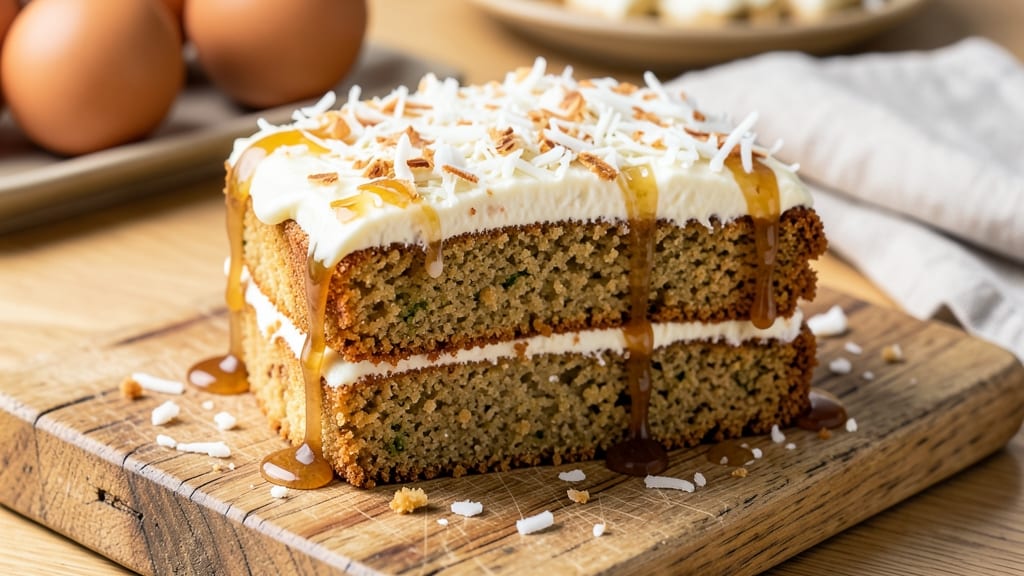
This Asian-inspired pound cake delivers moist, fragrant layers infused with pandan and coconut—perfect for special occasions or weekend treats. 🌟 The secret lies in a rich butter base combined with tropical flavors that elevate classic pound cake to new heights, creating a tender crumb and subtle aroma that lingers with every slice.
What sets this recipe apart is the balance of traditional pound cake structure with authentic Asian flavors. Pandan extract adds that signature floral note, while shredded coconut brings natural sweetness and texture.
The cake bakes to a golden perfection, with a moist interior that stays tender for days—no dry crumbs here.
This version maintains the simplicity of pound cake while introducing vibrant flavors that transport you to tropical Asian bakeries. The aroma alone will have everyone anticipating dessert, and the first bite delivers that perfect combination of buttery richness and fragrant coconut-pandan essence.
Ideal for celebrations or as a luxurious everyday treat, this cake pairs beautifully with whipped cream, fresh fruit, or a drizzle of caramel. The recipe includes foolproof instructions for achieving that signature moist texture and golden crust every time.
Ingredients for asian pound cake
Twelve ingredients blend tropical essence with classic pound cake tradition for unmatched moisture and aroma.
| Ingredient | Amount | Notes |
|---|---|---|
| Unsalted Butter 🧈 | 1 ½ cups | Cold, cubed for even distribution |
| Granulated Sugar 🍚 | 2 ½ cups | Superfine preferred for smooth texture |
| All-Purpose Flour 🌾 | 3 cups | Sifted for lightness, plus 1 tbsp extra |
| Pandan Extract 🌿 | 1 tbsp | Pure, not paste, for authentic flavor |
| Shredded Unsweetened Coconut 🥥 | 1 cup | Fresh or dried, unsweetened |
| Large Eggs 🥚 | 6 whole | Room temperature for even mixing |
| Baking Powder 🍞 | 1 ½ tsp | Aluminum-free for best results |
| Salt 🧂 | ½ tsp | Fine sea salt preferred |
| Vanilla Extract 🌸 | 2 tsp | Pure Madagascar bourbon |
| Milk 🥛 | 1 cup | Whole milk for richness |
| Lemon Zest 🍋 | 1 tbsp | Freshly grated from organic lemon |
| Vegetable Oil 🫒 | ¼ cup | Light, for tender crumb |
The butter and sugar form the cake's luxurious foundation—European-style butter like Plugrá or Kerrygold delivers superior flavor and texture. For the pandan extract, Gourmet Garden or Amazon's pure extract are reliable sources; never use paste, as it can alter moisture balance. Shredded coconut should be unsweetened and fine-textured—Trader Joe's or Bob's Red Mill brands work perfectly. Sift the flour thoroughly to prevent dense layers, and measure baking powder precisely using the spoon-and-level method for consistent rise.
Substitutions should preserve the cake's signature moisture. Coconut oil can replace half the butter (1 cup) for a slightly denser texture, while vanilla bean paste enhances flavor if extract isn't available. For nut-free versions, omit coconut entirely and increase vanilla to 3 teaspoons. If you lack pandan extract, 1 teaspoon of vanilla + 1/2 teaspoon of almond extract offers a close approximation. The milk can be swapped for coconut milk (same quantity) for enhanced tropical notes, though texture may vary slightly. Always use room-temperature eggs to ensure proper emulsification.
Store the cake in an airtight container at room temperature for up to 5 days, or refrigerate for 1 week to maintain moisture. For longer storage, wrap tightly in plastic and freeze for up to 3 months. Bring to room temperature before serving to preserve texture. The cake's aroma intensifies as it cools, making it ideal for preparing a day ahead. Slice with a serrated knife for clean cuts, and serve at 68-72°F for optimal tenderness.
Why You'll Love This Recipe
- No-Fuss Mixing: I swear by this recipe because it’s just three bowls—no food processor, no weird techniques. You cream butter and sugar like always, fold in dry ingredients, and stir in that pandan extract (trust me, it’s the secret weapon). The coconut gets folded in last, and you’re done in 15 minutes flat.
- Tropical Comfort Bite: That first slice? Warm, buttery, and packed with coconut crunch—it’s like a hug in cake form. The pandan gives it this floral, vanilla-like depth that makes it taste way more special than a basic pound cake. (Yes, even my coffee-drinking husband steals slices.)
- Weeknight Workhorse: Slice it for breakfast with tea, pack it for lunch, or serve it at brunch—this cake doesn’t care. It stays moist for days, so you’re not scrambling to bake something fresh. Honestly, I’ve had it cold, warm, and even grilled with a little honey. It’s that adaptable.
- Pantry Staple Magic: You already have the ingredients—no specialty items, no last-minute grocery runs. Butter, sugar, flour, and coconut? Basic stuff. And since it’s dense, it won’t dry out or go stale fast. I’ve made it for birthdays, potlucks, and even as a “dessert” for my picky teen. (She still asks for seconds.)
Step-by-step instructions for Asian-inspired pandan coconut pound cake
Master this delicate balance of texture and flavor with precise technique and patience.
👨🍳 Step 1: Prepare the Wet Ingredients for Perfect Moisture
In a stand mixer fitted with the paddle attachment, combine the 1.5 cups unsalted butter and 2.5 cups granulated sugar. Beat on medium-high speed for 5-7 minutes until the mixture is light, fluffy, and triples in volume. This creaming process incorporates air, which creates the cake's signature tender crumb.
Add the 6 whole large eggs, 1 at a time, mixing well after each addition until fully incorporated. The batter should be smooth and pale yellow. Scrape down the sides of the bowl to ensure even mixing. Here's the thing—room temperature eggs blend more smoothly, so if yours are cold, let them sit at room temperature for 30 minutes before using.
In a separate bowl, whisk together the 1 cup milk, 1 tbsp lemon zest, 1 tbsp pandan extract, 2 tsp vanilla extract, and 0.25 cup vegetable oil. The pandan extract is potent, so don't overdo it—1 tbsp gives authentic fragrance without overpowering. This liquid mixture will later hydrate the dry ingredients while maintaining moisture.
👨🍳 Step 2: Combine Dry Ingredients and Fold Gently
In a medium bowl, sift together the 3 cups all-purpose flour, 1.5 tsp baking powder, and 0.5 tsp salt. Sifting prevents lumps and ensures even distribution of leavening agents. Gently fold the dry ingredients into the wet mixture using a spatula, mixing just until combined—overmixing develops gluten, which makes the cake dense instead of tender.
Add the 1 cup shredded unsweetened coconut and gently fold it in using a rubber spatula. The coconut should be evenly distributed throughout the batter. Here's where precision matters: don't press the coconut into the batter—just fold it in to maintain the cake's delicate texture. The coconut adds subtle sweetness and a satisfying crunch that contrasts beautifully with the moist crumb.
🔥 Step 3: Bake at Low Temperature for Even Cooking
Preheat your oven to 325°F. Grease and line two 9-inch round cake pans with parchment paper, or use nonstick spray. Divide the batter evenly between the pans—each pan should receive half of the total batter. Tap the pans gently on the counter to remove any air bubbles and ensure even baking.
Bake for 50-60 minutes, or until a toothpick inserted into the center comes out clean. The cake should be golden brown and spring back slightly when pressed gently in the center. I know it seems like a long bake time, but this low temperature ensures even cooking without a dry crust. If the tops brown too quickly, tent the pans with aluminum foil to prevent overbrowning while allowing the center to cook through.
⏰ Step 4: Cool and Rest for Maximum Moisture Retention
Remove the cakes from the oven and let them cool in the pans for 15 minutes. This gradual cooling prevents cracking. Then, transfer the cakes to a wire rack to cool completely. Here's the critical part: do not slice the cake immediately—wait until it's completely cool (at least 2 hours) before serving. This resting period allows the moisture to redistribute, ensuring each slice remains tender and moist.
For best results, store the cake in an airtight container at room temperature for up to 3 days. If you're making it ahead, this resting time also enhances the flavors, allowing the pandan and coconut notes to meld beautifully. The cake's texture will improve as it sits, making it even more enjoyable the next day.
Pro Tips For Making Asian Pound Cake
- Cream Butter Slowly: I learned this the hard way—whipping cold butter and sugar at high speed just makes a greasy mess. Let the butter sit at room temperature for 2 hours first, then beat it with sugar on medium speed until just combined before adding eggs. That way, the fat emulsifies properly, and your cake won’t turn out dense or greasy.
- Sift That Flour: Skipping this step is how you end up with a cake that looks like it’s been through a blender. Sift the flour twice—once before mixing, once after folding in the coconut—to cut out lumps and aerate it. The extra effort gives you that signature tender crumb.
- Don’t Overmix the Batter: After burning three batches, I finally figured out: stop mixing the moment the flour disappears. Overmixing develops gluten, and that’s how you get a tough, chewy cake instead of the light, fluffy texture you want. Fold in the coconut gently—just until streaks vanish.
- Preheat Pan + Oil: Sounds weird, but it works: heat your loaf pan in the oven for 5 minutes before pouring in the batter, then rub the bottom with a bit of melted butter. The residual heat helps the cake rise straight up instead of sinking in the middle—no more lopsided disasters.
Common mistakes when making perfect results
Overmixing the Batter
This is the #1 culinary crime when making pound cake—once you add the flour, stop mixing immediately after it's just combined. I've seen home bakers whip the batter for full minutes after the dry ingredients disappear, and that gluten development turns your tender cake into a dense brick.
The goal is to maintain that delicate, airy structure we worked so hard to create in the creaming stage. 💫
Skipping the Room-Temp Eggs
Cold eggs won't emulsify properly, leading to a batter that separates or develops pockets of unincorporated liquid. I learned this lesson the hard way when my first batch had weird streaks of raw egg throughout.
Always let eggs sit at room temperature for 30 minutes before using—this simple step makes all the difference in achieving that silky, uniform texture.
Incorrect Baking Temperature
Many recipes call for 350°F, but this Asian-inspired version needs the gentler 325°F treatment. At higher temps, the exterior sets too quickly while the center stays undercooked, creating a dry crust and potentially a gummy middle. The low-and-slow approach ensures even moisture distribution throughout the entire cake.
Underestimating the Pandan Extract
Pandan extract is 10x more potent than vanilla—using too much (or not measuring carefully) will make your cake taste like soap. Stick to the 1 tbsp measurement and taste your wet ingredients before combining with dry.
If you're nervous, start with ½ tbsp and adjust. The aroma should be noticeable but not overpowering.
Not Greasing Pans Properly
Even with parchment paper, your cake will stick if you don't grease the pans thoroughly. I recommend using a mix of butter and flour (the classic "butterfingers" method) for maximum release. Don't skip this step—nothing ruins a beautiful cake faster than a stubborn pan that won't let it release cleanly.
Cutting Too Soon
This is where most home bakers fail—they can't wait to slice into their masterpiece! But rushing the cooling process means dry, crumbly slices. The cake needs at least 2 hours to fully set at room temperature.
I promise you, the wait is worth it for that perfect tender crumb in every bite. 💪
Nutrition facts
Frequently asked questions
Can I make this cake without pandan extract?
Yes! For a similar floral aroma, use 1 teaspoon vanilla extract plus ½ teaspoon almond extract. If you prefer tropical notes, try 1 teaspoon coconut extract (if available) or add ½ cup toasted coconut flakes to the batter. The cake will still taste delicious, though the signature pandan fragrance will differ.
How do I store leftover Asian-inspired pound cake?
Keep it fresh by storing in an airtight container at room temperature for up to 5 days. For longer storage, refrigerate for 1 week or freeze for 3 months. Bring to room temperature before serving to preserve that perfect tender crumb. The flavors actually improve overnight!
Can I use this recipe for a bundt cake instead?
The same batter works beautifully in a 10-12 cup bundt pan. Bake at 325°F for 50-60 minutes or until a toothpick comes out clean. The intricate shape makes it perfect for special occasions. Just grease the pan thoroughly to prevent sticking—use the butter-and-flour method for best results.
Why did my cake turn out dense instead of tender?
Overmixing the batter is the #1 cause of density. Once you add flour, mix just until combined—overmixing develops gluten, turning your cake into a brick. Also check your baking powder (should be fresh) and make sure you didn't skip the room-temperature egg step. The low 325°F temperature is crucial for even cooking without dryness.
What are some creative ways to serve this cake?
Drizzle with toasted coconut caramel or serve with mango purée for tropical flair. For a modern twist, layer with lychee jelly or dust with matcha powder**. The cake's neutral sweetness pairs beautifully with fruit compotes, whipped cream, or even a sprinkle of crushed pistachios for texture contrast.