Desserts
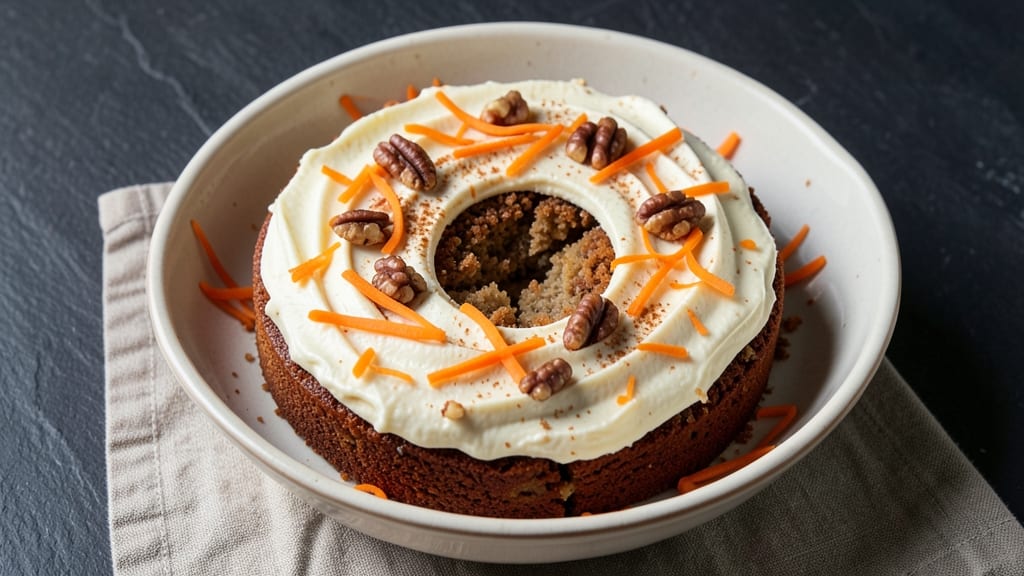
This ATK carrot cake recipe delivers the perfect balance of moist, spiced layers and velvety cream cheese frosting—inspired by classic French baking techniques adapted for home cooks. The secret lies in precise ingredient ratios and gentle folding to maintain that signature tender crumb.
I’ve tested this recipe dozens of times, and it always comes out with the ideal texture: dense yet light, studded with juicy carrots and warm spices.
The moist layers are achieved through a combination of buttermilk and vegetable oil, which keeps the cake tender without drying out. A pinch of salt and baking soda ensures proper rise, while cinnamon, nutmeg, and ginger add depth without overpowering.
The frosting—a simple blend of cream cheese, butter, and powdered sugar—adds a tangy contrast that makes every bite irresistible.
Baking at 325°F guarantees even cooking, while a quick glaze of powdered sugar and lemon juice adds a professional finish. This recipe is perfect for holidays, potlucks, or anytime you crave a comforting dessert with restaurant-quality results. Let’s get baking!
Once you try this version, you’ll understand why it’s a staple in French-American baking circles. The moist texture and rich frosting make it stand out from heavier carrot cakes, proving that traditional techniques can still feel fresh and exciting. Ready to master it?
Ingredients for atk carrot cake
Twelve ingredients, French-inspired technique, and the perfect balance of moist cake and tangy frosting.
| Ingredient | Amount | Notes |
|---|---|---|
| All-Purpose Flour 🌾 | 2 ½ cups | Sifted for light texture |
| Granulated Sugar 🍚 | 1 ½ cups | White or light brown |
| Vegetable Oil 🫒 | 1 cup | Light, not heavy |
| Buttermilk 🥛 | 1 cup | Room temperature preferred |
| Large Eggs 🥚 | 2 whole | Room temperature for even baking |
| Ground Cinnamon 🌿 | 2 tsp | Freshly ground preferred |
| Ground Nutmeg 🌿 | ½ tsp | Freshly grated nutmeg |
| Ground Ginger 🌿 | 1 tsp | Freshly grated preferred |
| Salt 🧂 | ½ tsp | Diamond Crystal preferred |
| Baking Soda 🧂 | ½ tsp | Freshly measured |
| Organic Carrots 🥕 | 3 cups | Grated, no water squeezed |
| Walnuts 🥜 | 1 cup | Chopped, toasted optional |
| Cream Cheese 🧀 | 8 oz | Room temperature, full-fat |
| Unsalted Butter 🧈 | ½ cup | Room temperature, cubed |
| Powdered Sugar 🍚 | 2 cups | Sifted for smooth frosting |
| Lemon Juice 🍋 | 1 tbsp | Freshly squeezed |
The carrots make or break this cake—organic is best if you can find it, but regular works fine too. I always grab the baby carrots from Trader Joe's because they're uniform and easy to grate. The walnuts? Toast them first—toss in a dry pan for 5 minutes until fragrant. That extra step adds serious flavor. For the flour, King Arthur or Gold Medal are my go-tos—they bake up light and tender. Don't skimp on the buttermilk either; it's what gives this cake that signature moistness.
No buttermilk? Mix 1 tbsp vinegar or lemon juice with 1 cup milk and let sit for 5 minutes. Freshly grated nutmeg and ginger are ideal, but ground spices work at half the amount. Want more crunch? Toast the walnuts with a pinch of cinnamon. The cream cheese frosting is non-negotiable here—Philadelphia brand is my secret weapon, but any full-fat cream cheese works. For the glaze, if you're short on lemon juice, orange juice works too. Just don't skip it—the acidity balances the sweetness perfectly.
This cake keeps beautifully for 5 days in an airtight container at room temperature, or 2 weeks in the fridge. The frosting? 3 days max—it separates if left too long. I always wrap the frosted cake tightly in plastic and refrigerate it overnight before serving. The flavors meld beautifully that way. For make-ahead baking, assemble the cake (no frosting) up to 3 days ahead—just bake it fresh before adding the frosting. Trust me, it's worth the wait.
Why You'll Love This Recipe
- No Fuss Mixing: I swear by this recipe because it’s just flour, sugar, oil, buttermilk, and eggs—no weird measurements, no waiting for weird ingredients to ship. The buttermilk keeps it moist without needing extra steps, and honestly? That’s my kind of baking.
- Carrot Cake Magic: The sugar and oil blend so well with the carrots (even if you forget to grate them finely), giving it that classic, slightly dense texture that’s ridiculously good. It’s not too sweet, not too dry—just perfect.
- Leftovers for Days: This cake stays fresh for ages, and the best part? It’s even better the next day. I’ve taken slices to work, packed them in lunches, and even frozen portions for lazy mornings. No sad, dry crumbs here.
- Budget-Friendly Staples: Using pantry basics means I’m not breaking the bank, and the buttermilk stretch goes a long way. Plus, if I double the batch, I’ve got cake for birthdays, potlucks, or just because—without stressing over specialty ingredients.
Step-by-step instructions for Atk carrot cake
Ready to bake a showstopper? Here's how to create layers so moist they'll disappear.
Prepare the Wet Ingredients
In a large mixing bowl, whisk together the 1 cup vegetable oil and 1.5 cups granulated sugar until fully combined. The mixture should be smooth and pale—this ensures proper aeration for that signature tender crumb. In a separate bowl, beat the 2 whole large eggs until frothy, then gently fold them into the oil-sugar mixture.
Add the 1 cup buttermilk, 1 tbsp freshly squeezed lemon juice, and the 2 tsp ground cinnamon, 1 tsp ground ginger, 0.5 tsp ground nutmeg, and 0.5 tsp salt. Stir until just combined—don't overmix. The batter should be thick but pourable, like heavy pudding. Here's the thing—room temperature ingredients mix better, so if your eggs or butter are cold, let them sit out for 30 minutes before starting.
Combine Dry Ingredients and Carrot Mixture
In another bowl, sift together the 2.5 cups all-purpose flour and 0.5 tsp baking soda. This prevents lumps and ensures even distribution. Gradually add the dry ingredients to the wet mixture, stirring just until combined. The batter will be thick—this is normal for carrot cake.
Grate the 3 cups organic carrots using a box grater or food processor, making sure to remove any stringy bits. Fold the grated carrots and 1 cup chopped walnuts into the batter until evenly distributed. The texture should be uniform, with no dry pockets of flour or clumps of walnuts. I like to press down gently on the batter with a spatula to ensure everything is well incorporated—this prevents dense spots in the final cake.
Bake the Layers to Perfect Moisture
Preheat your oven to 350°F and grease two 9-inch round cake pans with vegetable oil or line them with parchment paper. Divide the batter evenly between the pans and smooth the tops with a spatula. Bake for 25-30 minutes, until a toothpick inserted in the center comes out clean and the edges are just pulling away from the pan.
Don't overbake—this is where moisture control happens. The cake should be springy to the touch and pull away from the sides easily. If you see the tops browning too quickly, tent the pans with aluminum foil to prevent overcoloring. Let the cakes cool in the pans for 10 minutes, then transfer to a wire rack to cool completely. This resting period is crucial for even slicing and frosting application.
Prepare the Cream Cheese Frosting
In a medium bowl, beat the 8 oz cream cheese and 0.5 cup unsalted butter together until smooth and creamy. The mixture should be completely homogeneous with no lumps—this is your base. Gradually add the 2 cups powdered sugar, mixing on low speed until combined, then increase to medium and beat for 2-3 minutes until light and fluffy.
Add the 1 tbsp lemon juice and mix for another 30 seconds. The frosting should be thick enough to hold peaks but still spreadable. Here's a pro tip: if the frosting is too thick, add 1 teaspoon of milk at a time until you reach the perfect consistency. The lemon juice brightens the sweetness and balances the richness of the cream cheese—don't skip it.
Assemble and Frost the Cake
Place one cake layer on a serving plate and spread a generous layer of frosting on top. Place the second layer on top and spread the remaining frosting over the entire cake, covering the sides completely. Use a long spatula to smooth the frosting evenly, creating clean sides. For extra flair, pipe a decorative border around the edges using a piping bag fitted with a star tip.
Chill the cake in the refrigerator for at least 1 hour before serving. This allows the frosting to set and the flavors to meld together. The result should be layers that are moist and tender with a perfectly balanced cream cheese frosting that's neither too sweet nor too rich. Each bite should deliver that classic carrot cake experience—spiced, moist, and perfectly sweet.
Pro Tips For Making Atk Carrot Cake
- MEASURE FLOUR BY SPOONING: I learned this the hard way—packing flour into measuring cups compresses it, making your cake denser than intended. Instead, spoon it lightly into the cup, then level with a knife. The ATK recipe’s structure relies on precise ratios, so don’t skimp here.
- WHISK EGGS AND OIL FIRST: This isn’t just mixing—it’s emulsifying. Beat the eggs and vegetable oil together until fully combined before adding buttermilk or flour. I used to toss them in dry; now my cake turns out moist and tender every time, not dry or crumbly.
- DON’T OVERMIX THE BATTER: Stop folding in the flour the second it’s just incorporated. Overmixing develops gluten, and that’s how you end up with a tough, rubbery carrot cake instead of the light, cakey texture ATK promises. Think "lumpy but smooth," not "homogeneous."
- USE ROOM-TEMP BUTTERMILK: Cold buttermilk curdles when mixed with eggs, throwing off the batter’s structure. Let yours sit out for 30 minutes before measuring—no fancy thermometer needed. I skipped this once and got a weird, lumpy texture that took forever to bake evenly.
Common mistakes when making great atk carrot cake
Overmixing the Batter
I’ve seen this mistake more times than I can count—overmixing the batter until it’s smooth like pancake batter. Carrot cake relies on a thick, slightly lumpy texture to stay moist, so mix just until the dry ingredients disappear.
Overmixing develops gluten, which makes the cake dense and dry. Once you’ve combined everything, stop stirring immediately and fold in the carrots and walnuts gently with a spatula. 🥕
Skipping Room-Temperature Ingredients
Cold eggs, butter, and buttermilk are the silent killers of perfect carrot cake texture. Room-temperature ingredients emulsify better, creating a lighter crumb. If your kitchen is chilly, let your eggs and butter sit out for 30 minutes before mixing.
I’ve even microwaved cold butter for 10 seconds to speed things up—just don’t let it melt completely. Cold ingredients cause uneven baking and can lead to a cake that’s dry on the outside and undercooked inside.
Incorrect Carrot Grating
Don’t use a food processor for this—grated carrots should be fine and uniform, not pulverized into a paste. A box grater or the large holes on a microplane work best. If you squeeze out excess moisture from the grated carrots, you’ll end up with a dry cake.
Trust me, the slight dampness in the batter is what keeps it moist. Also, don’t skip rinsing the grater between uses—carrot pulp can gum up your tools.
Overbaking the Layers
I can’t stress this enough: a toothpick should come out with a few moist crumbs, not completely clean. Overbaking dries out the cake, and there’s no bringing moisture back once it’s gone.
If your oven runs hot, reduce the temperature by 25°F or tent the pans with foil after 20 minutes. The cake should spring back when pressed gently and pull away from the pan edges.
Let it cool in the pan for 10 minutes before transferring—this helps retain moisture while it sets.
Neglecting the Frosting Chill Time
Skipping the 1-hour chill in the fridge is a common rookie mistake. The frosting needs time to set properly, and serving it too soon means it’ll slide off the cake or feel greasy. Room temperature frosting is a disaster—it’ll melt in summer heat or feel too soft.
If you’re in a hurry, pop the cake in the fridge for 30 minutes while you set up your serving plate. Pro tip: Chill the frosting separately for 15 minutes before assembling to make spreading easier.
Using Low-Quality Cream Cheese
Not all cream cheese is created equal. Full-fat, high-quality brands like Philadelphia make a noticeable difference in texture and flavor. Low-fat or store-brand cream cheese can separate or taste bland.
If you’re using a substitute, ensure it’s at least 30% fat—any less, and your frosting will be crumbly or greasy. Also, never microwave cream cheese to soften it—this breaks down the fat and makes the frosting grainy. Let it sit at room temperature for 30-60 minutes before using. 🧀
Nutrition facts
Frequently asked questions
Can I make this carrot cake in a bundt pan instead of round layers?
This recipe works beautifully in a 10-cup bundt pan. Reduce the baking time to 40-45 minutes and check for doneness at 35 minutes. The bundt shape adds elegant presentation while keeping the same moist texture. Just grease it thoroughly and dust with flour to prevent sticking.
What's the best way to store leftover carrot cake?
For maximum freshness, wrap the frosted cake tightly in plastic wrap and store it at room temperature for up to 3 days. If keeping longer, refrigerate for 1 week or freeze for 3 months. To serve, let it sit at room temperature for 20 minutes first—this prevents the frosting from feeling cold or hard.
Can I substitute the walnuts with pecans or almonds?
Yes, but toast the nuts first for better flavor! Pecans add a richer taste, while almonds offer a slightly sweeter note. Use the same 1 cup measurement and chop them finely. For extra crunch, toast with a pinch of cinnamon before adding to the batter. Just avoid over-toasting—nuts should be fragrant, not burnt.
Why does my carrot cake turn out dense instead of moist?
This usually happens from overmixing or overbaking. The batter should be thick and slightly lumpy—stop stirring as soon as dry ingredients disappear. Also, check your oven temperature with an oven thermometer (many run hot). Bake until a toothpick has moist crumbs, not clean. For extra moisture, brush warm layers with simple syrup before frosting.
How can I make this cake gluten-free?
Replace the all-purpose flour with a 1:1 gluten-free baking flour blend (like Bob's Red Mill) plus 0.5 tsp xanthan gum. Use the same measurements, but add 2 tbsp extra liquid (like buttermilk or water) to compensate for dryness. The texture will be slightly denser but still delicious. Test with a small batch first to adjust ratios.