
Desserts
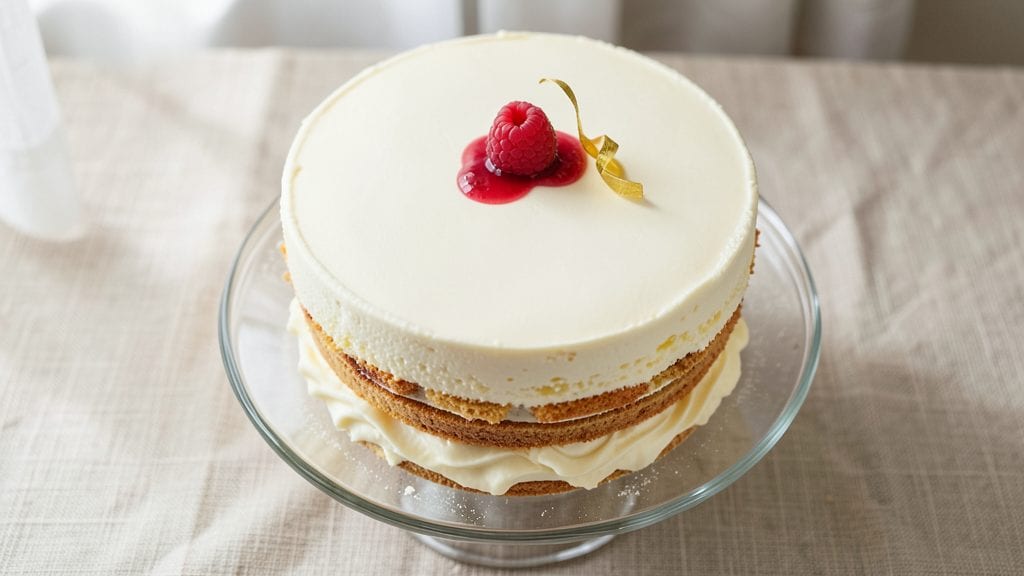
The Barefoot Contessa’s white cake recipe delivers layers of buttery vanilla perfection with a subtle rum infusion that elevates every bite. This elegant dessert combines classic technique with a touch of sophistication, resulting in moist, tender layers that separate beautifully for frosting.
The secret lies in precise measurements and gentle folding, ensuring a light yet sturdy crumb that holds up to generous buttercream. My version keeps Garten’s signature approachability while adding a hint of warmth from the rum, creating a cake that feels both comforting and refined.
The recipe relies on simple ingredients—flour, butter, eggs, and vanilla—but mastering the method transforms them into something extraordinary. A 350°F oven ensures even baking, while a two-stage mixing process prevents overdevelopment of the gluten for that signature tender crumb.
The hidden rum infusion adds depth without overpowering, making this cake perfect for celebrations or a special afternoon treat. Each layer is tested for doneness with a toothpick, guaranteeing a clean finish that’s ready for frosting without a hint of dryness.
What sets this white cake apart is its balance of elegance and approachability—no specialized equipment required, just patience and attention to detail. The frosting, a classic buttercream, complements the cake’s subtle flavors while adding a professional finish.
Whether you’re baking for a wedding or a quiet Sunday dessert, this recipe delivers restaurant-quality results at home. The rum infusion adds just enough intrigue to make it feel special, while the technique remains accessible for home bakers.
For variations, consider adding a splash of lemon zest to brighten the flavor or adjusting the rum to taste—some prefer a more pronounced infusion, while others keep it subtle. The cake also freezes beautifully for up to three months, making it ideal for prepping ahead of time.
With this recipe, you’ll achieve layers that are light, moist, and perfectly balanced, just like Ina’s own kitchen.
Ingredients for barefoot contessa white cake
Buttery layers, precise measurements, and a whisper of rum create this refined white cake.
| Ingredient | Amount | Notes |
|---|---|---|
| All-Purpose Flour 🌾 | 2 ½ cups | Sifted for even texture |
| Unsalted Butter 🧈 | 1 cup | Cold, cubed for creaming |
| Granulated White Sugar 🍚 | 2 cups | Superfine preferred for dissolution |
| Large Eggs 🥚 | 4 whole | Room temperature for even mixing |
| Pure Vanilla Extract 🍯 | 2 tsp | Bourbon-infused for depth |
| Light Rum 🍹 | 2 tbsp | Golden rum preferred |
| Baking Powder 🧂 | 2 tsp | Aluminum-free for tender crumb |
| Diamond Crystal Kosher Salt 🧂 | ½ tsp | Fine grain for precise seasoning |
| Whole Milk 🥛 | ½ cup | Room temperature for smooth batter |
| Lemon Zest 🍋 | 1 tbsp | Optional for brightness |
| Vegetable Oil 🫒 | ¼ cup | Light flavor, neutral |
| Cornstarch 🌾 | 1 tbsp | For cake flour substitute |
The butter must be cold and cubed—European-style butter like Plugrá or Land O’Lakes works best for its high fat content. King Arthur or Bob’s Red Mill flour ensures consistent results, while superfine sugar from Domino dissolves more easily. For the rum, Bacardi Superior or Havana Club 3 Stars provide the right balance of sweetness and depth without overpowering. The eggs should be at room temperature to emulsify smoothly with the butter. If substituting cake flour, remove 2 tbsp of all-purpose flour and add the cornstarch for a lighter texture.
No bourbon-infused vanilla? Pure Madagascar vanilla extract works equally well. Short on rum? Substitute with 1 tbsp orange liqueur for a citrusy twist. The lemon zest is optional but brightens the cake—use organic lemons for the most vibrant flavor. For a gluten-free version, King Arthur gluten-free flour blend performs best, though texture may vary slightly. The baking powder must be fresh—test with a sniff: if it smells like vinegar, replace it. For a richer cake, add 1 tbsp sour cream to the batter.
Store baked layers in an airtight container at room temperature for up to 3 days or freeze for 3 months. Wrap tightly in plastic wrap before sealing to prevent drying. For frosting, allow layers to cool completely to avoid melting. The cake freezes beautifully—wrap individually before freezing for easy layering later. If making ahead, bake layers 1 day in advance and store at room temperature for the best texture.
Why You'll Love This Recipe
- No-Fuss Mixing: I swear by this recipe’s creaming method—just butter and sugar until light and fluffy, then fold in the eggs one at a time. No stand mixer required, and the batter comes together faster than you can say "vanilla extract."
- Vanilla Buttercream Bliss: That rich, buttery frosting with real vanilla? It’s the kind of sweetness that makes you close your eyes. Honestly, the first time I tasted it, I nearly licked the bowl.
- Birthday to Brunch: This cake is my go-to for celebrations and lazy mornings. Frost it with berries for a brunch crowd, or keep it classic for a birthday—it handles any vibe without extra effort.
- Budget-Friendly Luxury: Four simple ingredients stretch to feed a crowd, and leftovers? They’re even better the next day. I’ll be real: this is the cake that makes me look fancy without breaking the bank.
Step-by-step instructions for buttery vanilla layers with hidden rum infusion
Master this classic technique for tender, moist layers with a subtle rum infusion.
Prepare the Cake Flour Mixture
Begin by creating your cake flour substitute. In a medium bowl, whisk together the 2.5 cups all-purpose flour, 1 tablespoon cornstarch, and 2 teaspoons baking powder. Sift this dry mixture directly into a large mixing bowl to eliminate any lumps and ensure an even texture throughout the batter. The cornstarch acts as a tenderizer, creating that signature Barefoot Contessa lightness.
In a separate small bowl, combine the 0.5 teaspoon diamond crystal kosher salt with the 1 tablespoon lemon zest. This small step adds brightness that balances the richness of the butter and sugar. Set aside until ready to incorporate into the batter.
Cream Butter and Sugar
In the bowl of a stand mixer fitted with the paddle attachment, beat the 1 cup unsalted butter (cold, cubed) and 2 cups granulated white sugar on medium speed for 3-4 minutes. The mixture should become pale and fluffy, nearly doubling in volume. This creaming process incorporates air, which creates the cake's signature tender crumb. Scrape down the sides of the bowl occasionally to ensure even mixing.
Here's the thing—don't rush this step. The butter should be fully incorporated and smooth before adding any other ingredients. If it looks grainy or hasn't lightened in color, continue beating for another minute. This foundational step determines the cake's texture more than any other.
Incorporate Wet Ingredients
Add the 4 whole large eggs (room temperature) one at a time, mixing on low speed after each addition until fully incorporated. After the eggs are combined, add the 2 teaspoons pure vanilla extract and 2 tablespoons light rum, mixing just until smooth. The rum adds subtle depth without overpowering the delicate vanilla flavor. This is where the magic happens—the rum infuses into the batter, creating that signature Barefoot Contessa touch.
With the mixer running on low speed, gradually add the 0.5 cup whole milk (room temperature) and the 0.25 cup vegetable oil in a slow, steady stream. The milk helps hydrate the flour while the oil adds moisture and tenderness. Mix just until combined—overmixing develops gluten, which leads to a tough cake.
Combine Dry Ingredients and Prepare Baking Pans
With the mixer on low speed, gradually add the sifted dry ingredients (flour mixture and salt-lemon zest blend) to the wet ingredients. Mix just until the flour is incorporated and no dry spots remain. The batter should be smooth and slightly thick, like heavy pudding. Be careful not to overmix—this is the most critical step for achieving that tender crumb.
Divide the batter evenly between two 8-inch round cake pans (preferably with removable bottoms). Line the pans with parchment paper circles for easy removal. Pour the batter into the prepared pans and smooth the tops with a spatula. Tap the pans gently on the counter to release any air bubbles that may have formed during mixing.
Bake to Golden Perfection
Preheat your oven to 350°F. Place the cake pans on the middle rack and bake for 25-30 minutes, or until a toothpick inserted into the center comes out clean. The cakes should be golden on top and lightly spring back when gently pressed in the center. Rotate the pans halfway through baking for even heat distribution.
Here's where precision matters: begin checking for doneness at the 25-minute mark. Your oven might run hot, so start testing early rather than late. Once baked, remove the cakes from the oven and let them cool in the pans for 10 minutes. Then transfer them to a wire rack to cool completely before frosting. This cooling step is crucial—it prevents the cakes from becoming soggy when assembled.
Pro Tips For Making Barefoot Contessa White Cake
- Cream Butter Properly: Use a stand mixer with the paddle attachment and whip the butter and sugar on medium-high for 3–4 minutes until it’s pale and fluffy—like it could stand on its own. I skipped this once and ended up with a dense cake that tasted more like a shortbread cookie than the light, airy texture you want.
- Sift the Flour Twice: The Barefoot Contessa recipe calls for sifting, but do it twice if your flour is lumpy or old. The first sift breaks up clumps, the second ensures even distribution—no one likes pockets of dry flour in their cake. (Yes, even if you’re impatient like me.)
- Room-Temp Eggs Matter: Cold eggs from the fridge will curdle when mixed into the butter-sugar blend, leaving streaks in your batter. Pop them in warm water for 5 minutes first—just enough to bring them to about 70°F. Trust me, your cake’s texture will thank you.
- Don’t Overbake the Layers: The cake should pull away from the sides of the pan but still jiggle slightly in the center when done. Overbaking by even 2–3 minutes turns it dry and crumbly. If you’re nervous, test with a toothpick—it should come out with a few moist crumbs, not completely clean. (Your future self will thank you.)
Make-ahead tips for leftovers
Bake Ahead Strategy
Bake the cake layers 1 day in advance for the best flavor development and texture. The rum infusion deepens overnight, creating a more complex flavor profile. Let the layers cool completely before wrapping individually in plastic wrap, then place them in an airtight container at room temperature.
This prevents drying while allowing the layers to set properly for frosting. 📅
Freezing Layers
For long-term storage, freeze baked layers individually in plastic wrap followed by a second layer of aluminum foil. This double protection prevents freezer burn and maintains moisture.
Label with the date and freeze for up to 3 months. When ready to assemble, thaw at room temperature for 2-3 hours before frosting. 🧊
Frosting Prep
Make your buttercream 1 day ahead and store it in the refrigerator in an airtight container. Bring it to room temperature before assembling the cake for a smooth finish.
I like to whip it for 2-3 minutes to restore fluffiness after chilling. This step ensures your frosting is perfectly spreadable without being too soft. 🍰
Assembly Timeline
Assemble the cake 4-6 hours before serving to allow the frosting to set properly. Place the cake in the refrigerator for 30 minutes before serving to help the buttercream hold its shape.
This timing works perfectly for dinner parties or special occasions when you want everything to look its best. 🕒
Transporting Tips
If transporting the cake, wrap each layer individually in plastic wrap and stack them with parchment paper between layers. Place the entire assembly in a sturdy cake box lined with bubble wrap.
Keep it in a cool car (not the trunk) to maintain temperature stability. This method keeps the layers intact and prevents shifting during transport. 🚗
Make-Ahead Mistakes
Avoid storing layers in the refrigerator longer than 2 days—they can dry out. Never freeze the assembled cake with frosting, as the moisture will cause the frosting to melt and create a soggy texture. Always bring frozen layers to room temperature before frosting to ensure even distribution. 🚫
Nutrition facts
Frequently asked questions
Can I substitute the rum in this white cake?
Yes! If you prefer not to use rum, try 1 tablespoon orange liqueur for a citrusy twist or 1 teaspoon almond extract for a nutty depth. Just reduce any additional liquids by 1 tablespoon to maintain the right batter consistency. The rum adds subtle warmth, but these alternatives work beautifully too.
Why does the Barefoot Contessa white cake have cornstarch?
The 1 tablespoon cornstarch acts as a tenderizer, replacing some of the flour to create a lighter, more delicate crumb. This is Ina Garten's signature technique—it prevents a dense texture while keeping the cake moist. Think of it as a secret weapon for that signature Barefoot Contessa lightness.
How do I know when the cake is fully baked?
Check for doneness at the 25-minute mark by inserting a toothpick into the center. It should come out clean with just a few moist crumbs. The cake should also spring back gently when pressed in the center. Overbaking dries out the layers, so pull them out as soon as they pass this test.
Can I make this cake in a different pan size?
Yes, but adjust the baking time. For a 9-inch pan, reduce the batter by 1/3 and bake for 20-25 minutes. For a 6-inch pan, use the full batter and bake for 30-35 minutes. Always check with a toothpick to confirm doneness, as oven temperatures vary. The key is even heat distribution.
What’s the best frosting for this cake?
Ina Garten’s classic buttercream frosting is ideal—it complements the cake’s subtle flavors while adding a smooth, elegant finish. For a lighter option, try whipped cream frosting or a simple glaze made with powdered sugar and milk. The buttercream should be at room temperature when spreading for the best texture.