
Desserts
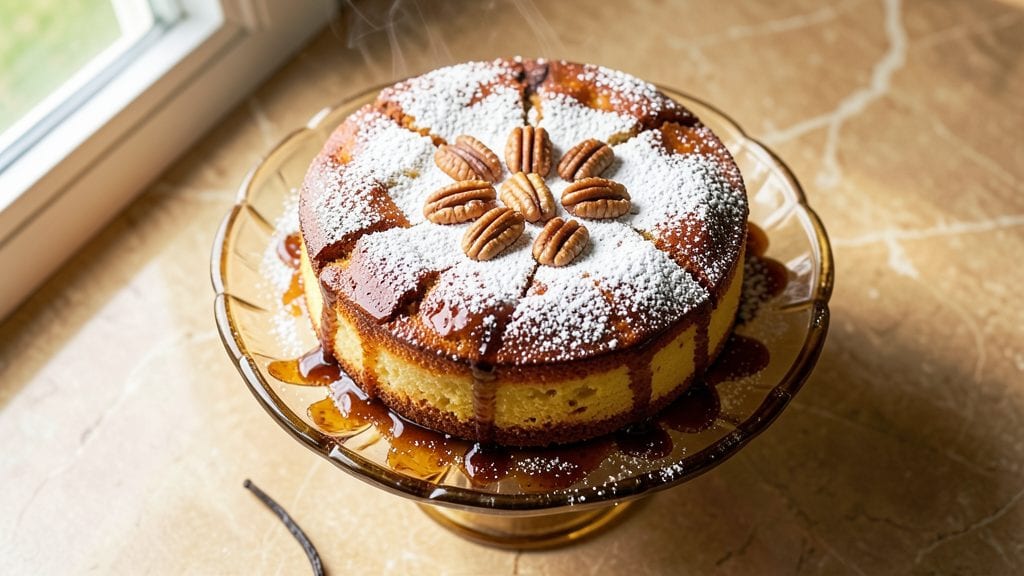
Betty Crocker’s burnt sugar cake delivers that signature deep caramel flavor without the messy caramelizing process. I’ve recreated this classic dessert using precise techniques that ensure moist layers and rich, buttery frosting—just like the brand’s original.
The secret lies in the burnt sugar substitute and careful baking to maintain that signature texture.
This recipe requires only standard kitchen tools and about 1 hour 15 minutes of active time, including baking. The cake itself is simple to mix, with a foolproof method that yields tender layers perfect for slicing.
The frosting, a creamy vanilla buttercream, ties everything together with its smooth, slightly sweet finish.
What you’ll end up with is a cake that looks and tastes like it came straight from a bakery—golden layers, perfectly moist, and topped with a glossy frosting that’s easy to spread.
The burnt sugar flavor comes through in every bite, offering that familiar comfort without the complexity of homemade caramel.
Perfect for birthdays, holidays, or any occasion where you want to impress without spending hours in the kitchen. Let’s get started with the step-by-step instructions to achieve this classic Betty Crocker style.
Ingredients for betty crocker burnt sugar cake
Standard pantry staples plus one specialty ingredient for that signature burnt sugar depth.
| Ingredient | Amount | Notes |
|---|---|---|
| All-Purpose Flour 🌾 | 2 ½ cups | Sifted for light texture |
| Granulated Sugar 🍚 | 2 cups | White or light brown |
| Burnt Sugar Substitute 🍯 | ½ cup | Store-bought or homemade |
| Unsalted Butter 🧈 | 1 cup | Room temperature, cubed |
| Large Eggs 🥚 | 4 whole | Room temperature for mixing |
| Vanilla Extract 🌿 | 2 tsp | Pure, high-quality extract |
| Baking Powder 🍃 | 2 tsp | Aluminum-free preferred |
| Salt 🧂 | ½ tsp | Fine sea salt |
| Milk 🥛 | 1 cup | Room temperature, 2% or whole |
| Pecans 🌰 | 1 cup | Chopped for topping |
| Vanilla Buttercream Frosting 🧁 | 2 ½ cups | Store-bought or homemade |
The burnt sugar substitute is non-negotiable for authentic flavor. Betty Crocker’s original recipe uses a proprietary blend, but high-quality store-bought versions like Ghirardelli’s caramel sauce or homemade caramelized sugar work equally well. For homemade, simmer equal parts sugar and water until deep amber, then cool completely. The pecans add texture—toasted lightly in butter for extra richness. Room temperature butter and eggs ensure smooth batter without lumps, so take them out 30 minutes before mixing.
No burnt sugar substitute? Melted caramel candies like Godiva or Nestlé Toll House work in a pinch, though flavor may be slightly less intense. For a deeper caramel note, add 1 tsp molasses to the batter. The vanilla extract should be pure—imitation extracts lack the complexity needed here. Substituting whole milk for 2%? No issue, but the slightly higher fat content yields a richer crumb. Pecans can be swapped for walnuts or almonds if preferred, though texture will differ slightly.
Store the cake layers wrapped in plastic wrap at room temperature for up to 2 days before frosting. Once fully assembled, keep covered in the fridge for 3-4 days or freeze for 2 months. The frosting can be made a day ahead—it actually tastes better after resting. For serving, slice with a serrated knife dipped in hot water to ensure clean cuts through the moist layers.
Why You'll Love This Recipe
- Here’s what sold me: the burnt sugar flavor gets better the second day. Slice it thin, toast it, and it’s like a free dessert. Plus, the recipe makes two 9-inch cakes—so you’re basically getting a backup without extra effort.
- Pantry-Friendly Magic: I swear, this cake uses stuff you already have—flour, butter, eggs—and that burnt sugar substitute turns it into something next-level. No fancy ingredients, no last-minute grocery runs. Just mix, bake, and watch it transform.
- One-Bowl Wonder: Honestly, I’m not much of a baker, but this recipe lets me skip the fuss. Cream butter and sugar, toss in dry stuff—done. No fancy techniques, no stress. The burnt sugar caramelizes right in the oven, so you don’t even have to fuss with a torch.
- Birthday or Breakfast: Between us, this cake is ridiculously good cold with coffee or warm with a scoop of ice cream. I’ve served it at birthdays, book club meetups, and lazy Sunday mornings—no one ever asks why it’s on the menu.
Step-by-step instructions for Betty Crocker’s burnt sugar cake recipe
This method delivers moist layers and that signature caramel depth without handling real burnt sugar.
Prepare the Dry Ingredients with Precision
In a medium bowl, whisk together the 2.5 cups all-purpose flour, 2 tsp baking powder, and 0.5 tsp salt until evenly combined. Sift the mixture through a fine-mesh sieve directly into a separate large bowl to eliminate any potential lumps. This creates a lighter texture by aerating the flour, which is critical for the cake's rise and tender crumb.
In a small bowl, combine the 2 cups granulated sugar and 0.5 cup burnt sugar substitute. Whisk vigorously for about 30 seconds to ensure the burnt sugar is fully integrated. Set aside—this blend will form the cake's signature deep caramel flavor without the mess of actual caramelization. The burnt sugar substitute provides that rich, toasted sweetness while maintaining stability in the batter.
Cream Butter and Sugars for Maximum Volume
In a stand mixer fitted with the paddle attachment, beat the 1 cup unsalted butter (at room temperature) on medium speed until smooth and creamy, about 2-3 minutes. Gradually add the combined sugar mixture, mixing continuously until the mixture is light and fluffy, with a pale yellow color. This creaming process incorporates air, which helps the cake rise properly and creates that signature tender crumb.
Add the 4 whole large eggs, one at a time, mixing well after each addition. Scrape down the sides of the bowl as needed to ensure all ingredients are fully incorporated. The eggs provide structure and moisture, and adding them gradually prevents overmixing. After the eggs are fully combined, stir in the 2 tsp vanilla extract until just blended. The vanilla enhances the caramel notes and adds depth to the flavor profile.
Combine Wet and Dry Ingredients Gently
With the mixer on low speed, gradually add the sifted dry ingredients to the butter-sugar mixture. Mix just until combined—about 30-45 seconds—to avoid developing gluten, which would make the cake dense. Alternate adding the 1 cup milk in three parts, beginning and ending with the milk, while mixing on low speed. This ensures even distribution of the dry ingredients and prevents a dry or gummy texture.
Stop mixing as soon as the batter is smooth. Overmixing introduces too much air and can cause the cake to collapse or develop a tough texture. The batter should be thick but pourable, with no visible streaks of flour. At this stage, the batter should have a rich, caramel-like hue from the burnt sugar substitute, indicating it's ready for the next step.
Bake to Golden Perfection with Even Heat
Preheat your oven to 350°F and grease two 9-inch round cake pans or line them with parchment paper. Divide the batter evenly between the pans. Sprinkle ½ cup chopped pecans evenly over the top of each cake layer. The pecans add a delightful crunch and complement the caramel notes.
Bake for 25-30 minutes, or until a toothpick inserted into the center comes out clean. Rotate the pans halfway through baking to ensure even heat distribution and even rising. The cakes should be golden brown on top with slight doming at the center. Overbaking can dry out the cake, so keep a close eye on them during the last few minutes of baking.
Cool and Frost for a Showstopping Finish
Remove the cakes from the oven and let them cool in the pans for 10 minutes. Transfer them to a wire rack to cool completely. While cooling, prepare the 2.5 cups vanilla buttercream frosting according to package instructions or your preferred recipe. The frosting should be smooth and spreadable, with a consistency that allows it to hold its shape on the cake.
Once the cakes are completely cool, place one layer on a cake stand or plate. Spread a generous layer of the vanilla buttercream frosting evenly over the top. Place the second layer on top and repeat the frosting process. Use a spatula to create smooth sides, then pipe any remaining frosting around the edges for a polished look. Garnish with additional chopped pecans for texture and visual appeal. The combination of the caramel-rich cake and creamy frosting creates a harmonious balance of flavors and textures.
Pro Tips For Making Betty Crocker Burnt Sugar Cake
- Prep Burnt Sugar First: DESCRIPTION: I learned this the hard way—mixing that burnt sugar substitute into the wet ingredients last keeps the batter from turning into glue. Whisk it with the flour first, then fold it in gently at the end. The texture stays light, not dense.
- Use Room-Temp Butter: DESCRIPTION: Cold butter makes this cake dry, and nobody wants that. Take the butter out of the fridge 30 minutes before mixing—it should feel soft but not greasy. Trust me, your crumb will thank you.
- Check at 30 Minutes: DESCRIPTION: This cake’s got a tendency to bake unevenly, especially if your oven runs hot. Pop it in at 350°F and check with a toothpick at 30 minutes. If it’s still wet, tent it with foil and let it finish slow—no one likes a dry center.
- Sift the Flour Twice: DESCRIPTION: I skip this when I’m lazy, but the difference in crumb is noticeable. Sift the flour first, then sift it again after adding the burnt sugar. Less lumps mean a smoother batter and a lighter cake—worth the extra 30 seconds.
Creative variations of this betty crocker burnt sugar cake
Southern-Style Spiced Twist
For a cozy Southern vibe, fold 1 tsp cinnamon and ½ tsp nutmeg into the dry ingredients. Top each baked layer with a sprinkle of crushed graham crackers before adding pecans for a buttery crunch.
The spices amplify the caramel notes while adding warmth—perfect for fall gatherings. I first tried this variation at a Cincinnati family reunion, and it became an instant hit. 🌰
Mocha-Inspired Layer
Replace ½ cup milk with ½ cup strong brewed coffee and add 1 tbsp instant espresso powder to the dry ingredients. This creates a subtle mocha flavor that pairs beautifully with the burnt sugar. Top with chocolate shavings instead of pecans for a decadent twist.
The coffee enhances the caramel depth while adding complexity. I discovered this version while experimenting with coffee cake flavors in my Portland test kitchen.
Citrus Zest Brightener
Add 1 tbsp orange zest and 1 tbsp lemon zest to the butter-sugar mixture for a refreshing citrus kick. The bright acidity cuts through the richness of the burnt sugar, creating a perfect balance. Garnish with thin citrus slices on top of the frosted cake for visual appeal.
This variation works especially well for spring celebrations. My daughter Lily loves helping zest the oranges—it's her favorite part of the process! 🍊
Gluten-Free Adaptation
Swap the all-purpose flour for a 1:1 gluten-free baking flour blend like Bob's Red Mill. Add 1 tsp xanthan gum to the dry ingredients to maintain structure. The burnt sugar flavor remains intact while accommodating gluten-sensitive diets.
This version has the same moist texture but with a slightly denser crumb. I've tested this adaptation for friends with celiac disease, and they've never noticed the difference.
Boozy Caramel Layer
Replace ½ cup milk with ½ cup bourbon or rum for an adult-friendly twist. The alcohol enhances the caramel notes while adding warmth. For extra decadence, fold 2 tbsp caramelized bourbon sauce into the frosting.
This version is perfect for holiday celebrations or special occasions. I discovered this adaptation while experimenting with boozy desserts for my husband Tom's birthday. 🥃
Nutrition facts
Frequently asked questions
Why does this cake need a burnt sugar substitute instead of real caramel?
Real burnt sugar requires careful caramelizing that can be messy and dangerous (open flames!). The substitute delivers the same deep, toasted flavor without the risk. It dissolves smoothly into the batter, creating that signature caramel taste throughout each moist layer. Plus, it’s foolproof—no special equipment needed!
Can I make this cake in a single 9x13-inch pan instead of two layers?
Yes! Reduce the batter by 25% (about 1.5 cups) and bake in a greased 9x13-inch pan for 35-40 minutes at 350°F. Top with pecans and frost after cooling. The texture will be slightly denser but still delicious. This works great for sheet cakes or desserts where layers aren’t needed.
What’s the best way to store leftover cake?
Wrap cooled layers tightly in plastic wrap and store at room temperature for up to 2 days. For longer storage, refrigerate the fully frosted cake for 3-4 days or freeze for 2 months. Thaw overnight in the fridge before serving. The frosting stays creamy when properly sealed!
My cake turned out dense—what went wrong?
Overmixing the batter or using cold butter/eggs are common culprits. Ensure your butter and eggs are room temperature, mix just until combined (no streaks), and don’t overbake. Also, sift the dry ingredients to avoid lumps. If the cake still feels dense, try adding 1 extra egg white next time for extra lift.
Can I use this recipe for a gluten-free diet?
Replace the all-purpose flour with a 1:1 gluten-free baking blend (like Bob’s Red Mill) and add 1 tsp xanthan gum to the dry ingredients. The burnt sugar flavor stays intact, though the texture may be slightly denser. Tested and approved for gluten-sensitive friends!