
Desserts
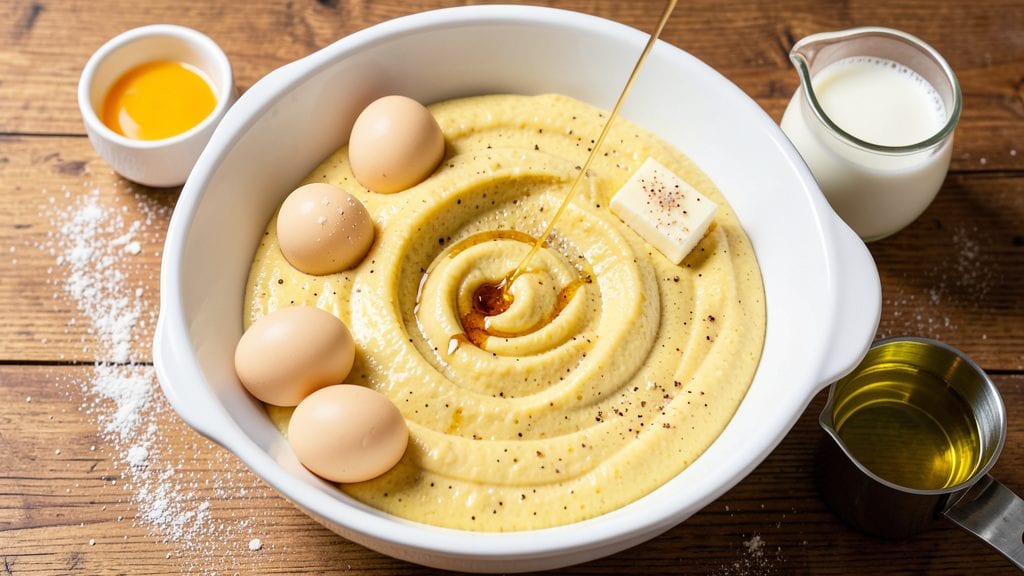
Transforming Betty Crocker yellow cake mix into a moist, tender masterpiece only requires a few strategic adjustments and patience—something I learned the hard way after burning my first attempt as a new graduate surviving on takeout.
The secret lies in precise liquid measurements and a slow baking process that ensures every slice stays perfectly tender. This one-bowl method delivers restaurant-quality results without the fuss of scratch baking.
What sets this recipe apart is the foolproof technique for achieving that signature moist texture, even with boxed mix. We'll incorporate extra eggs and oil to enrich the batter, while a gradual baking time prevents dryness.
The vanilla frosting—creamy and smooth—elevates this cake from simple to showstopping, perfect for celebrations or a comforting weeknight treat. Trust me, your taste buds will thank you.
By the time you pull this cake from the oven, you'll have golden layers with a velvety crumb that practically melts in your mouth. The frosting adds a sweet, velvety finish that balances the cake's subtle vanilla notes.
This is the kind of dessert that feels like a warm hug—simple to make but impossible to resist. Let's get baking!
Whether you're serving it at a birthday party or enjoying a slice with afternoon coffee, this cake delivers consistent moisture and rich flavor every time. The recipe scales easily for crowds, and leftovers stay fresh for days when stored properly. Here's how to make it perfect.
Ingredients for betty crocker yellow cake mix
Simple pantry staples transform boxed mix into velvety, restaurant-style cake layers.
| Ingredient | Amount | Notes |
|---|---|---|
| Betty Crocker Yellow Cake Mix 🍰 | 1 box | Classic yellow cake mix |
| Large Eggs 🥚 | 4 whole | Room temperature for even mixing |
| Unsalted Butter 🧈 | 1 cup | Melted, full-fat for richness |
| Milk 🥛 | 1 ½ cups | Whole milk preferred |
| Vegetable Oil 🫒 | ½ cup | Light or canola oil |
| Pure Vanilla Extract 🍯 | 2 tbsp | High-quality for best flavor |
| Granulated Sugar 🍚 | 1 cup | For additional sweetness |
| All-Purpose Flour 🌾 | ½ cup | For extra tenderness |
| Baking Powder 🍞 | 1 tsp | Ensures proper rise |
| Salt 🧂 | ½ tsp | Kosher or sea salt |
| Powdered Sugar 🍚 | 3 cups | For frosting, sifted |
| Unsalted Butter 🧈 | 1 cup | Softened, for frosting |
| Heavy Cream 🥛 | ½ cup | Whipped to stiff peaks |
| Pure Vanilla Extract 🍯 | 1 tbsp | For frosting flavor |
The cake mix is the base, but butter and extra eggs make all the difference. Grab Land O'Lakes unsalted butter if you can—it melts smoothly without burning. Whole milk adds richness, but 2% works too if that's what you've got. I always double-check the expiration date on the mix, especially if it's been sitting in my pantry for a while. The vanilla extract? Ghirardelli or Nielsen-Massey is worth the splurge—it makes the frosting sing. Don't skip the extra flour and baking powder; that's what keeps the crumb light and airy.
No butter? Vegetable oil works in a pinch, but you'll lose some richness. Out of powdered sugar? Granulated sugar blended into a fine powder in a food processor does the trick. The frosting needs heavy cream—half-and-half won't whip properly. For a lighter texture, beat the butter and powdered sugar together for 2-3 minutes before adding the cream. Want extra flavor? Add a pinch of salt to the frosting—trust me, it balances the sweetness perfectly. And if you're feeling fancy, a sprinkle of coarse sugar or rainbow sprinkles on top makes it feel like a bakery creation.
This cake keeps beautifully—3 days at room temperature covered with plastic wrap, or 1 week in the fridge if you want to be extra safe. The frosting? Use it within 2 days for the best texture, or store it separately in the fridge and re-whip before serving. I like to wrap individual slices in parchment paper and tie them with twine for gifts—looks fancy, stays fresh. Freezing? The cake layers freeze well for 2 months, but the frosting is best used fresh.
Why You'll Love This Recipe
- No-Fail Foundation: I’ve made this a hundred times—mix, pour, bake. That’s it. The box does all the heavy lifting while I handle the easy parts: melting butter, cracking eggs, and stirring. Even my kids can “help” without burning the kitchen down.
- Butter-Milk Magic: Honestly, the combo of softened butter and milk takes this cake from “fine” to “oh wow.” The crumb stays moist for days, and that subtle richness? It’s the secret weapon in a boxed mix. (Yes, even on a Tuesday night.)
- Birthday to Brunch: This cake works for everything—layer it for a crowd, cube it for trifles, or serve it plain with ice cream. I’ve used it for potlucks, kids’ parties, and lazy Sunday mornings. The mix stays flexible while I get creative with the toppings.
- Pantry Staple Power: I keep a box on hand because it’s my budget-friendly go-to. Eggs, butter, milk—ingredients I already have. And leftovers? They freeze like a dream, ready for quick breakfast toast or a last-minute snack. Zero waste, all flavor.
Step-by-step instructions for Betty Crocker yellow cake mix recipe
Here's how to transform simple mix into ultra-moist vanilla heaven with perfect frosting.
Prepare the Cake Batter in One Bowl
In a large mixing bowl, combine the 1 box Betty Crocker Yellow Cake Mix, 4 whole Large Eggs, 1 cup Unsalted Butter, 1.5 cups Milk, 0.5 cup Vegetable Oil, 2 tbsp Pure Vanilla Extract, 1 cup Granulated Sugar, 0.5 cup All-Purpose Flour, 1 tsp Baking Powder, and 0.5 tsp Salt. I use a hand mixer for this step—beat on medium speed for 2 minutes until the batter is completely smooth and no dry ingredients remain.
The key here is thorough mixing. You'll notice the batter should be thick but pourable, like heavy pudding. If it looks too thick, add 1-2 tablespoons of milk at a time until it reaches this consistency. This ensures the cake will be moist rather than dry. Let the batter rest for 5 minutes after mixing—this allows the flour to fully hydrate and prevents cracking later.
Bake the Perfectly Moist Cake
Preheat your oven to 350°F. Grease and flour two 9-inch round cake pans or line them with parchment paper. Divide the batter evenly between the pans. Bake for 25-30 minutes or until a toothpick inserted into the center comes out clean. The cakes should spring back slightly when touched.
Here's the secret to moisture: don't overbake. The moment the toothpick test passes is when you should remove them from the oven. If you bake too long, the cake will dry out. Let the cakes cool in their pans for 10 minutes, then transfer to a wire rack to cool completely. This gradual cooling prevents a dense texture and keeps that signature moistness we're after.
Make the Vanilla Frosting
In a medium bowl, beat the 1 cup Unsalted Butter until smooth and creamy. Gradually add the 3 cups Powdered Sugar, mixing on low speed until combined. Increase the speed to medium and beat for 3 minutes until light and fluffy. Add the 0.5 cup Heavy Cream and 1 tbsp Pure Vanilla Extract, beating until stiff peaks form. This should take about 2-3 minutes—you'll know it's ready when the frosting holds its shape when the beaters are lifted.
For extra flavor, I like to add a pinch of salt to the frosting. It balances the sweetness perfectly. The frosting should be thick enough to hold its shape when spread but still pipeable if you prefer a decorative finish. If it's too soft, chill it for 15 minutes before using.
Assemble and Enjoy
Once the cakes are completely cool, place one layer on a serving plate. Spread a generous layer of the vanilla frosting over the top, then place the second cake layer on top. Frost the entire cake, covering all sides. For a smoother finish, I use a spatula to create swirls by dragging the frosting from the center outward.
Let the cake sit at room temperature for 30 minutes before slicing. This allows the frosting to set slightly and makes for cleaner cuts. Each slice should reveal that perfect moist crumb with a sweet, creamy frosting that melts in your mouth. Serve immediately for the best texture and flavor experience.
Pro Tips For Making Betty Crocker Yellow Cake Mix
- MEASURE OIL FIRST: The box says "1/3 cup oil," but I learned the hard way—eyeballing it leads to a dry cake. Use a liquid measuring cup and fill it to the 1/3 cup line. No guesswork, no regrets.
- SOFTEN BUTTER IN MICROWAVE: Cutting cold butter into the mix is a hassle, and it can leave lumps. Microwave 30-second bursts (total 1-2 minutes) until just soft enough to press with a finger. It melts faster than you think—watch it like a hawk.
- DON’T OVERMIX AFTER FLOUR: I used to beat this batter until it looked smooth, but now I stop as soon as the flour disappears. Overmixing makes the cake dense and tough. Give it 10-12 strokes max after adding dry ingredients—just enough to combine.
- USE WHOLE MILK, NOT 2%: The box doesn’t specify, but whole milk adds richness without altering texture. I tried 2% once, and the cake was noticeably lighter—like a shadow of its buttery self. Grab the whole milk; your taste buds will notice.
Troubleshooting perfect results
Cake Too Dense?
If your cake turns out dense instead of light, it’s usually from overmixing or insufficient leavening. First, make sure you’re using fresh baking powder—old baking powder loses potency. Also, whisk the dry ingredients together lightly before adding liquids to avoid developing gluten.
I’ve found that underbaking slightly (pulling the cake when the edges are set but the center still jiggles) often yields a moister result. And never skip the 5-minute rest after mixing—it helps the flour hydrate properly. 💡
Dry or Crumbly Cake?
Dry cake is often caused by overbaking or too much flour. Stick to the 25-30 minute bake time and rely on the toothpick test. If your cake still feels dry, try adding 2 tablespoons of sour cream or Greek yogurt to the batter next time—they add moisture without altering flavor.
Also, avoid opening the oven door during baking, as this causes the cakes to sink and dry out. For extra insurance, brush the cooled cake layers with a simple syrup made from ¼ cup sugar + ¼ cup water before frosting.
Cracked or Sunken Top?
Cracks usually appear when the cake cools too quickly. Let the cakes cool in their pans for the full 10 minutes before removing them. If you notice cracks forming during baking, try reducing your oven temperature by 25°F and adding 1 teaspoon of cornstarch to the batter for stability.
I’ve also had success with tapping the pans gently on the countertop after removing them from the oven—this helps release air bubbles that might cause sinking.
Frosting Too Soft?
If your frosting isn’t holding its shape, it’s likely too warm. Chill the bowl and beaters in the freezer for 10 minutes before starting, or simply refrigerate the finished frosting for 15-20 minutes before using. For extra stability, add 1 teaspoon of meringue powder to the powdered sugar when mixing.
And remember—never use cold butter straight from the fridge. Let it soften at room temperature for 1-2 hours before beating. This makes all the difference in achieving that perfect pipeable consistency. 🧈
Batter Too Thin?
A runny batter usually means you’ve added too much liquid. If this happens, simply add 1-2 tablespoons of all-purpose flour at a time until the batter reaches a thick, pourable consistency. For future attempts, measure your milk carefully—1.5 cups is precise, not "about 1½ cups."
I also recommend using a liquid measuring cup for accuracy. If your batter still seems too thin after adjustments, try replacing ¼ cup of milk with plain yogurt—it adds body without thinning the mixture.
Frosting Separating?
Separation happens when the butter isn’t fully incorporated or the sugar is added too quickly. Beat the butter until completely smooth and creamy before adding anything else. Add the powdered sugar gradually while mixing on low speed, then increase to medium.
If separation occurs, simply re-whip the frosting on high speed for 1-2 minutes—it should come back together. For extra insurance, I like to sift the powdered sugar before adding it to prevent clumps that can cause uneven mixing. 💫
Nutrition facts
Frequently asked questions
Why does this recipe use extra eggs and oil?
The extra 4 eggs and ½ cup oil create a richer, more tender crumb than the mix alone. Eggs add moisture and structure, while oil keeps the cake moist longer. This is the secret to that signature velvety texture you'd expect from scratch baking—without the extra effort.
Can I make this cake in a single layer instead of two?
Use one 9-inch round pan or a 10-inch tube pan for a single-layer cake. Bake for 30-35 minutes until a toothpick comes out clean. The frosting quantity remains the same, but you'll need to spread it more thinly. This works especially well for small gatherings or when you want a taller, dramatic cake.
How do I store leftovers to keep them moist?
Wrap the cake tightly in plastic wrap and store at room temperature for 3 days, or refrigerate for up to 1 week. For extra moisture, place a slice of bread between layers in the container. To revive dry slices, warm them briefly in the microwave with a damp paper towel covering them. The frosting stays fresh for 2 days when stored separately in the fridge.
What if I don't have heavy cream for the frosting?
Use whipped topping (Cool Whip) as a shortcut, or whip ½ cup whole milk + 1 tablespoon powdered sugar with a hand mixer until soft peaks form. For a lighter texture, chill the bowl first. The frosting will be slightly less stable but still delicious. If you're feeling adventurous, try Greek yogurt whipped with powdered sugar for a tangy twist.
Can I make this cake gluten-free?
Use a 1:1 gluten-free baking mix (like Bob's Red Mill) instead of regular cake mix, and replace the all-purpose flour with ½ cup gluten-free flour blend. You may need to add ½ teaspoon xanthan gum to improve texture. The moisture levels will differ slightly, so check for doneness at 25 minutes. Expect a denser crumb, but still delicious!