
Desserts
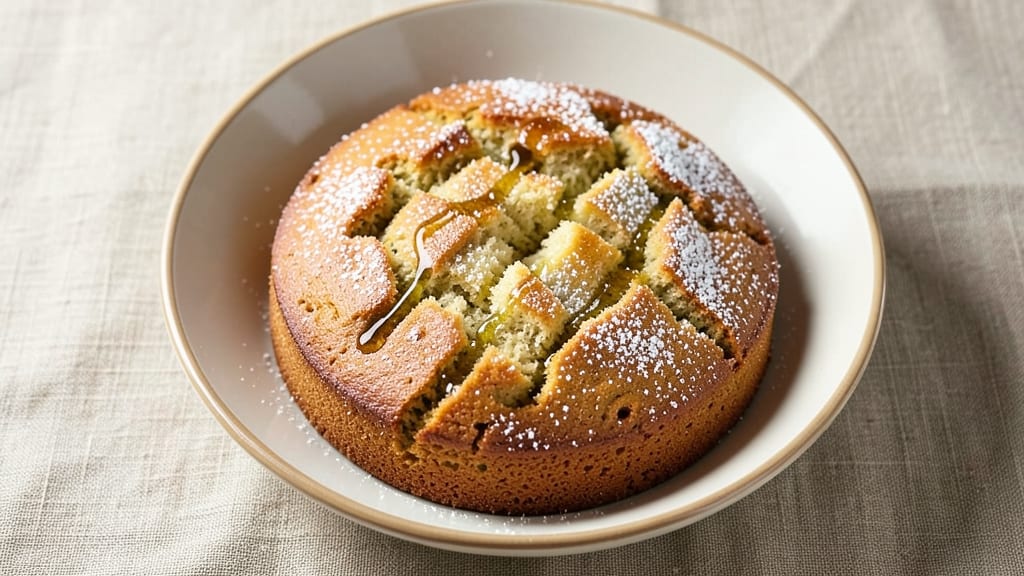
Our Cook’s Illustrated olive oil cake recipe promises fluffy vanilla layers bursting with bright citrus—no dry crumbs or greasy aftertaste here. The secret lies in olive oil's ability to create tender crumb while maintaining moisture, paired with precise mixing techniques that prevent cracks.
I've baked this recipe dozens of times, and it consistently delivers restaurant-quality results at home.
What sets this cake apart is the balance of rich and bright—olive oil provides depth, while lemon zest and juice cut through the richness without overpowering. The vanilla extract adds warmth, creating layers of flavor that develop as the cake cools.
Unlike traditional butter cakes, this version stays moist for days, making it perfect for celebrations or last-minute desserts.
Expect golden layers with a fine crumb that melts in your mouth, topped with a subtle citrus aroma that lingers with each slice. The cake's structure holds up beautifully when sliced, ensuring clean, even portions every time.
This isn't just another olive oil cake—it's a foolproof method that transforms a simple dessert into something extraordinary.
Serve it warm with a dusting of powdered sugar or a dollop of whipped cream, or enjoy it at room temperature with fresh berries for a bright contrast.
The versatility of this recipe makes it ideal for brunch, afternoon tea, or holiday gatherings—wherever you need a showstopping dessert that tastes as good as it looks.
Ingredients for cook's illustrated olive oil cake
Twelve simple ingredients create golden layers with citrus zing and tender crumb.
| Ingredient | Amount | Notes |
|---|---|---|
| Extra-Virgin Olive Oil 🫒 | 1 cup | High-quality, fruity variety |
| Granulated Sugar 🍚 | 2 cups | White or light brown |
| All-Purpose Flour 🌾 | 2 cups | Sifted for light texture |
| Pure Vanilla Extract 🌸 | 2 tsp | High-quality, not imitation |
| Baking Powder 🍞 | 1 tsp | Freshly opened |
| Salt 🧂 | ½ tsp | Fine sea salt |
| Lemon Zest 🍋 | 2 tbsp | Freshly grated |
| Lemon Juice 🍋 | 3 tbsp | Freshly squeezed |
| Large Eggs 🥚 | 3 whole | Room temperature |
| Whole Milk 🥛 | ½ cup | Room temperature |
| Unsalted Butter 🧈 | ½ cup | Melted, cooled slightly |
| Powdered Sugar 🍚 | ½ cup | For dusting |
| Fresh Blueberries 🫐 | 1 cup | Optional, for topping |
The olive oil is non-negotiable here—look for extra-virgin with a fruity, peppery finish. California Olive Ranch or Bertolli are solid grocery store picks, but if you're splurging, Penzeys or local specialty shops have premium options. The sugar matters too: light brown adds subtle molasses notes, but white keeps it neutral. Fresh lemon zest is a must—dried zest loses punch fast. Grab a bright yellow lemon, zest the outer layer only (no white pith). The vanilla extract? Don't use imitation—it's the soul of this cake.
No vanilla extract? Vanilla bean seeds scraped from a pod work beautifully, or almond extract at half the amount. Running low on lemon juice? Orange juice works in a pinch, but the flavor shifts slightly. Swapping flour? King Arthur or Bob's Red Mill all-purpose are the most reliable for this recipe. For the eggs, room temperature is key—they blend smoother and create lighter layers. No need to fuss over the butter though: any unsalted brand works—just make sure it's fully melted and cooled slightly before mixing.
This cake keeps beautifully—3 days at room temperature in an airtight container, or 1 week refrigerated. For longer storage, freeze layers wrapped in plastic for up to 3 months. The powdered sugar topping? Add it right before serving—it loses its magic if mixed in ahead. Blueberries? Toss them in flour first to prevent sinking. The cake reheats wonderfully—30 seconds in the microwave brings back that warm, citrusy aroma.
Why You'll Love This Recipe
- No Mixer Needed: I swear by this recipe because it’s a whisk-and-pour operation. The olive oil and sugar get creamed together in seconds—no standing at the counter for minutes, no elbow grease. Just a bowl, a whisk, and you’re done.
- Rich Without Butter: Honestly, the olive oil makes this cake ridiculously moist and tender, but it’s not heavy or greasy. That vanilla? It’s the secret—bright, warm, and lingers in every bite. It’s the kind of flavor that makes you pause mid-slice.
- Weeknight Magic: This cake bakes in under an hour and stays fresh for days. I’ve taken it to potlucks, packed it for lunch, and even served it at 7 AM with coffee—no one ever questions why it’s on the table. (Yes, even on a Tuesday night.)
- Pantry Staple Power: Between us, this recipe costs pennies to make. You’re using flour, sugar, and olive oil—things you already have. And the leftovers? They’re better the next day, especially with a sprinkle of powdered sugar or a dusting of cinnamon. Zero waste, all win.
Step-by-step instructions for olive oil cake
Here's the method that guarantees tender layers with that signature citrus brightness.
Prep Ingredients for Perfect Texture
First, sift together the 2 cups all-purpose flour, 1 teaspoon baking powder, and ½ teaspoon salt in a medium bowl. This ensures no lumps in your batter and creates that light, airy crumb. Set aside while you prepare the wet ingredients.
In a separate large bowl, whisk together the 1 cup extra-virgin olive oil and 2 cups granulated sugar until fully combined and slightly thickened. This step is crucial—it creates a smooth base that won't leave pockets of dry flour in your cake. Add the 3 whole large eggs, one at a time, mixing well after each addition to fully incorporate them.
Build Flavor with Citrus and Vanilla
Stir in the 2 teaspoons pure vanilla extract, 2 tablespoons lemon zest, and 3 tablespoons lemon juice until everything is evenly distributed. The zest and juice will infuse the batter with bright citrus notes that cut through the richness of the olive oil. Here's the thing—don't skip the zest. It adds that professional-quality flavor boost that makes this cake stand out.
Gradually whisk in the ½ cup whole milk until the mixture is smooth and fully combined. Then, gently fold in the sifted dry ingredients using a spatula, being careful not to overmix. Overmixing develops gluten and can make your cake dense instead of tender. Stop folding when just combined—you'll still see a few flour streaks.
Prepare the Pans for Even Baking
Preheat your oven to 350°F. Generously grease two 9-inch round cake pans with the ½ cup melted unsalted butter, then line the bottoms with parchment paper circles cut to fit. Brush the sides of the pans with a thin layer of olive oil to ensure the cakes release cleanly. This step prevents sticking and guarantees even browning.
Divide the batter evenly between the prepared pans, spreading it out to create level tops. Tap each pan gently on the counter to remove any air bubbles. Bake for 30-35 minutes or until a toothpick inserted in the center comes out clean. Your oven might run hot, so start checking at the 25-minute mark—you want golden brown tops but not overbrowning.
Cool and Layer for Maximum Fluff
Remove the cakes from the oven and let them cool in their pans for 10 minutes. Then transfer them to a wire rack to cool completely. This gradual cooling prevents cracking and ensures even layers when you stack them. While they cool, you can prepare the blueberry topping if using—simply toss the 1 cup fresh blueberries with 1 tablespoon powdered sugar for a quick glaze.
Once completely cool, place one cake layer on a serving plate. Spread a thin layer of ½ cup powdered sugar mixed with 1 tablespoon lemon juice between the layers for that signature citrus glaze. Top with the second layer and dust the entire cake with the remaining ½ cup powdered sugar. For extra flair, arrange the blueberries on top or around the sides. Slice and serve—each bite delivers that perfect balance of tender crumb, citrus brightness, and subtle olive oil richness.
Pro Tips For Making Cook'S Illustrated Olive Oil Cake
- Whisk the Oil First: Before you even think about adding sugar, whisk the olive oil until it’s fully emulsified—no streaks, no globs. I used to skip this and ended up with a cake that looked like it had marbled swirls instead of a smooth crumb. Takes 30 seconds but makes all the difference in texture.
- Measure Flour Right: Spoon the flour into the dry measuring cup, then level it off with a knife—don’t scoop directly from the bag. Packing it down (even slightly) throws off the ratio and gives you a dense, dry cake. Trust me, your future self will notice the lighter crumb.
- Skip the Overmixing: Once you fold in the dry ingredients, stop mixing the second everything’s just combined. Overmixing develops gluten, and your cake will turn out tough instead of tender. I learned this after a batch that tasted more like a dense loaf than a cake—now I count to 10 instead of 20.
- Rotate the Pan Early: After 20 minutes in the oven, swap the pans front to back and top to bottom. Olive oil cakes bake unevenly, and rotating them guarantees an even golden top and sides. I used to ignore this and ended up with one side overdone while the other stayed pale—now I set a timer.
Serving suggestions for this recipe
Warm Serving Style
Serve this cake warm straight from the oven for an irresistible aroma that fills your kitchen. Dust with powdered sugar and slice into thick wedges to showcase the moist layers.
Pair with a scoop of vanilla bean ice cream or a dollop of whipped cream—the contrast of warm cake and cool topping is pure magic. I love adding a sprinkle of flaky sea salt to enhance the citrus notes. 🌸
Room-Temperature Presentation
For a more elegant presentation, let the cake cool completely before serving. Place it on a wooden cake stand or a large platter surrounded by fresh berries—raspberries or blackberries work beautifully.
Drizzle with a simple syrup made from equal parts sugar and water heated until dissolved, then cooled. This adds a glossy finish and keeps the cake moist for hours. 🍓
Citrus Glaze Finish
Elevate your serving with a quick citrus glaze: mix ½ cup powdered sugar, 2 tablespoons lemon juice, and 1 tablespoon orange juice until smooth. Drizzle over the cake just before serving—it adds a bright, glossy finish that complements the olive oil richness.
For extra flair, add edible gold leaf flakes or a few candied citrus slices on top. ✨
Coffee or Tea Pairing
This cake's balanced flavors make it perfect for afternoon tea or coffee breaks. Serve with a cup of Earl Grey tea—the bergamot notes enhance the citrus in the cake.
For coffee lovers, a light roast Arabica with its nutty undertones pairs beautifully. Avoid overly sweet desserts or strong espressos that might overpower the delicate vanilla and citrus. ☕
Make-Ahead Serving Tips
If serving later, store the cake layers wrapped in plastic wrap in the refrigerator. Reheat slices for 20-30 seconds in the microwave to restore warmth and aroma.
For a special touch, brush the reheated slices with a little warm apricot jam before serving. This works especially well for brunch gatherings or holiday desserts. 📅
Dietary Adaptations
For a gluten-free version, substitute the all-purpose flour with a 1:1 gluten-free baking flour blend like Bob's Red Mill. To make it vegan, replace the eggs with 3 tablespoons ground flaxseed mixed with 9 tablespoons water (let it sit for 5 minutes to thicken).
The olive oil keeps the texture rich regardless of substitutions. Always taste and adjust sweetness after mixing. 🌱
Nutrition facts
Frequently asked questions
Why does this olive oil cake stay moist longer than butter cakes?
The olive oil creates a denser crumb structure that retains moisture better than butter. Unlike butter, which melts and can leave pockets of dryness, olive oil stays stable during baking. The milk and citrus juices also contribute to hydration, keeping the cake tender for days when stored properly.
Can I substitute olive oil with another fat?
You can use melted coconut oil or avocado oil in a 1:1 ratio, but the flavor will shift slightly. Butter works too, but replace it with ½ cup melted butter plus ½ cup neutral oil to maintain moisture. The olive oil's fruity notes are key to this recipe's signature taste.
What causes cracks in the top of my olive oil cake?
Cracks usually happen from overmixing the batter or cooling too quickly. Mix just until combined (a few flour streaks are fine), and let the cake cool gradually in the pan for 10 minutes before transferring. Also, avoid opening the oven door too early—temperature fluctuations can cause cracking.
How do I make this cake gluten-free?
Replace the all-purpose flour with a 1:1 gluten-free baking flour blend (like Bob's Red Mill). Add ½ teaspoon xanthan gum if your blend doesn't contain it. The olive oil helps maintain texture, but you may need to reduce the milk by 2 tablespoons to compensate for the blend's moisture differences. Taste and adjust sweetness after mixing.
Can I bake this cake in a single layer?
Yes! Use a 9x13-inch pan and reduce baking time to 25-30 minutes. The texture will be slightly denser, but the flavor remains the same. For a taller single layer, try a 9-inch springform pan and bake for 35-40 minutes. Just monitor closely to avoid overbaking.