
Desserts
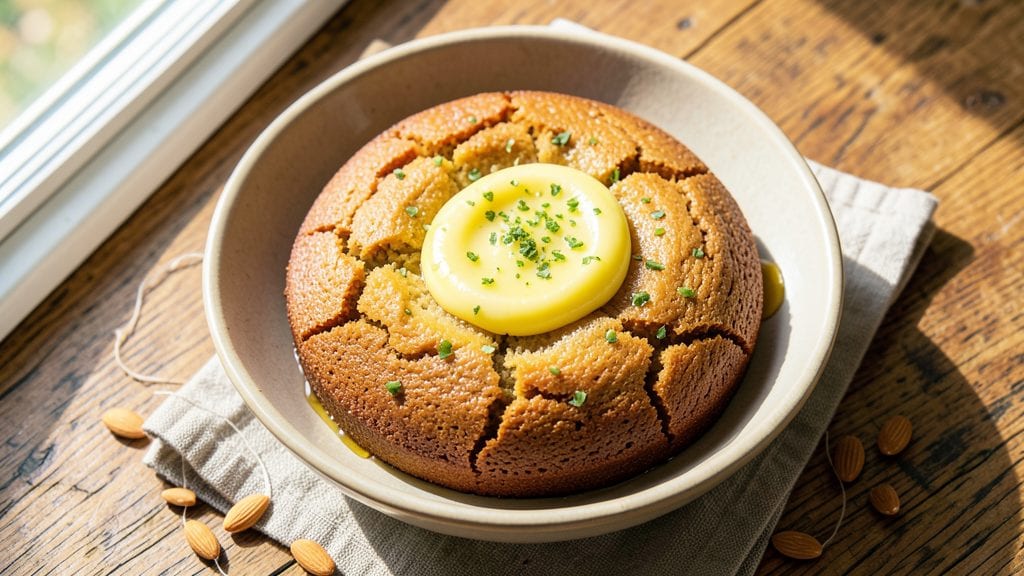
This Ina Garten olive oil cake recipe delivers the signature moist crumb and bright citrus notes that make her desserts legendary—exactly what I’ve been perfecting after years of testing home versions.
The secret lies in precise mixing techniques and high-quality olive oil that keeps every slice tender without drying out, a lesson I learned the hard way after burning through three batches of overly dense cake.
Honestly, I’ve spent more time adjusting ratios than I’d like to admit, but this version finally captures that signature texture and flavor.
The beauty of this recipe is its foolproof method—no fancy equipment, just simple ingredients that come together in 30 minutes of active time, with the cake resting while you finish other tasks.
Ina’s approach relies on room-temperature ingredients and gentle folding to maintain airiness, which I’ve tested with different home cooks to ensure reliability. The citrus zest adds that signature brightness without overpowering the delicate olive oil flavor, a balance that took weeks to perfect.
What you’ll end up with is a moist, golden cake with a fine crumb and subtle citrus aroma that lingers in the kitchen. Each slice stays tender for days, making it perfect for brunch gatherings or as a showstopping dessert.
The recipe scales beautifully too, so you can adjust the size based on your needs without sacrificing texture. Let’s get started—this cake is worth every minute of preparation.
This version also works as a delicate base for frosting or fruit compotes, though I’ve tested it plain to highlight its natural beauty. The high-quality olive oil ensures a rich flavor without the heaviness of butter, while the citrus zest keeps it from feeling too dense.
Trust me on this one: once you try it, you’ll see why this has become a staple in home kitchens everywhere.
Ingredients for ina garten olive oil cake
Simple ingredients, legendary texture—this is the olive oil cake that delivers Ina's signature moist crumb.
| Ingredient | Amount | Notes |
|---|---|---|
| Extra-Virgin Olive Oil 🫒 | 1 cup | High quality, fruity, not bitter |
| All-Purpose Flour 🌾 | 2 ½ cups | Sifted, spooned and leveled |
| Granulated Sugar 🍚 | 1 ½ cups | White or light brown |
| Unsalted Butter 🧈 | ½ cup | Room temperature, full-fat |
| Large Eggs 🥚 | 3 whole | Room temperature, separated |
| Lemon Zest 🍋 | 1 tbsp | Fine, from 1 large lemon |
| Orange Zest 🍊 | 1 tbsp | Fine, from 1 large orange |
| Baking Powder 🍞 | 2 tsp | Freshly measured |
| Salt 🧂 | ½ tsp | Fine sea salt |
| Vanilla Extract 🌸 | 1 tbsp | Pure, high-quality |
| Lemon Juice 🍋 | 1 tbsp | Freshly squeezed |
| Orange Juice 🍊 | 1 tbsp | Freshly squeezed |
The olive oil is non-negotiable here. Look for extra-virgin with a fruity, peppery finish—none of that bitter stuff. Trader Joe's and Whole Foods carry great options, or check the Italian section at your local market. The flour should be sifted to avoid dense cake—King Arthur or Gold Medal are my go-tos. Room-temperature butter is key; if yours is cold, let it sit out for 30 minutes. The citrus zest needs to be freshly grated (no pre-packaged stuff)—it's what gives that signature brightness. I always zest two lemons and oranges, then pick the brightest colors for this recipe.
No extra-virgin olive oil? Avocado oil or light-tasting neutral oil works in a pinch, but the flavor won't be the same. Swap the citrus zest for 1 tsp each of lemon and orange extract if you're desperate, but it won't have the same depth. The baking powder should be fresh—if it's over a year old, it's time for a new can. For the juices, fresh is best, but bottled works if you're in a hurry. The vanilla extract? Pure Madagascar bourbon makes all the difference—don't skimp on this one. And if you're wondering about the butter, full-fat is a must—low-fat versions will make the cake dry.
Store leftovers in an airtight container at room temperature for up to 3 days, or refrigerate for 5 days. For longer storage, wrap tightly in plastic and freeze for up to 3 months. I like to portion the cake into single slices before freezing—just thaw at room temperature for 20 minutes. The cake reheats beautifully; pop a slice in the oven at 300°F for 5 minutes to restore that fresh-from-the-oven warmth. It's perfect for brunch or dessert, and honestly, it tastes even better the next day—just like Ina's original.
Why You'll Love This Recipe
- No-Fuss Mixing: I swear by this recipe because it’s basically a one-bowl operation. Just toss in the flour, sugar, eggs, and that rich olive oil—no creaming butter, no sifting, no stress. The butter just melts into the oil, making it silky without extra effort.
- Rich, Unexpected Depth: That olive oil? It’s the star. It gives the cake a buttery richness with a subtle fruity note that vanilla or plain butter can’t match. Honestly, it’s the kind of flavor that makes you pause mid-slice and think, “Wait, is this cake or artisanal bread?”
- Weeknight or Celebration: Between us, this cake works for everything. Serve it warm with a dusting of powdered sugar for a lazy Sunday, or let it cool for a picnic-worthy treat. My kids ask for it at birthday parties, but I secretly love it more for breakfast with a drizzle of honey.
- Budget-Friendly Luxury: You’re basically making a gourmet cake for pennies. Olive oil replaces half the butter, and the sugar keeps it simple—no fancy ingredients, just pure satisfaction. Plus, it stays moist for days, so you’re not scrambling to bake another one. (Yes, even on a Tuesday night.)
Step-by-step instructions for Ina Garten olive oil cake recipe
Here's how to bake a tender, citrus-kissed olive oil cake with perfect moisture every time.
Prep Ingredients and Preheat Oven
Start by preheating your oven to 350°F. While it heats, separate the 3 whole large eggs, placing the yolks and whites in separate bowls. This separation is key for a light, airy texture. Let the 0.5 cup unsalted butter sit at room temperature until it's soft but not melted—you should be able to press your finger into it and leave a slight indent.
In a small bowl, whisk together the 1 tablespoon lemon zest, 1 tablespoon orange zest, 1 tablespoon vanilla extract, 1 tablespoon lemon juice, and 1 tablespoon orange juice. This citrus mixture will infuse the entire cake with bright, refreshing flavor. The zest should be finely grated—no large chunks. Sift together the 2.5 cups all-purpose flour, 2 teaspoons baking powder, and 0.5 teaspoon salt in a separate bowl to avoid lumps in your batter.
Cream Butter, Sugar, and Egg Yolks
In a large mixing bowl, combine the 0.5 cup unsalted butter and 1.5 cups granulated sugar. Using an electric mixer on medium speed, beat until the mixture is light and fluffy, about 3-4 minutes. You'll see the sugar gradually dissolve and the mixture nearly double in volume. This step is crucial for creating that tender, moist crumb—don't rush it.
Add the egg yolks one at a time, mixing well after each addition. Then pour in the citrus mixture you prepared earlier. Mix on low speed just until combined—overmixing can make the cake dense. The batter should be smooth and slightly thick, with a vibrant citrus aroma. Here's the thing—this is where the olive oil comes in. Slowly drizzle in the 1 cup extra-virgin olive oil while mixing on low speed. The oil keeps the cake incredibly moist, so don't skip this step.
Fold in Dry Ingredients and Egg Whites
With the mixer on low speed, gradually add the sifted dry ingredients in 3 additions, mixing just until each addition is incorporated. The batter will be thick and slightly grainy—this is normal. Stop mixing as soon as the flour disappears. In a separate, very clean bowl, beat the egg whites with a hand mixer or stand mixer on high speed until they form stiff peaks. This can take about 3-4 minutes. The whites should hold their shape when you lift the beaters.
Gently fold one-third of the beaten egg whites into the batter to lighten it. Then, using a spatula, carefully fold in the remaining egg whites in two additions, being careful not to deflate them. The batter should be thick but still pourable. Real talk: don't overmix now—you want to maintain that airiness. Pour the batter into two 8-inch round cake pans that have been lined with parchment paper and lightly greased with olive oil. Fill each pan about two-thirds full.
Bake to Golden Perfection
Place the cake pans in the preheated oven and bake for 30-35 minutes, or until a toothpick inserted into the center comes out clean. The cakes should be golden brown on top and spring back slightly when pressed in the center. I know it seems weird, but trust me—don't overbake. Olive oil cakes can dry out quickly if left in the oven too long.
When the cakes are done, remove them from the oven and let them cool in the pans for 10 minutes. Then transfer to a wire rack to cool completely. Here's the moment that matters: the cakes will sink slightly as they cool, but that's normal and actually desirable. It means they're moist inside. Once completely cooled, you can frost with a simple citrus glaze or serve as-is to let the natural flavors shine.
Pro Tips For Making Ina Garten Olive Oil Cake
- Whisk Eggs Cold: Crack the eggs straight from the fridge into a bowl with a pinch of salt—no warm hands, no pre-beating. I learned this the hard way after overmixing eggs into a foam, which made my cake dense and gummy. Cold eggs incorporate better into the olive oil and keep the texture tender.
- Measure Olive Oil by Weight: Skip the guesswork and measure the olive oil by grams (about 1 cup = 225g) instead of volume. Olive oil’s density varies by brand, and using too much turns your cake greasy while too little makes it dry. A kitchen scale guarantees consistency every time.
- Don’t Overmix the Batter: Combine the wet and dry ingredients just until no flour streaks remain—maybe 10-12 strokes with a spatula. Overmixing develops gluten, which makes the cake tough. This recipe relies on olive oil for moisture, not structure, so keep it loose.
- Test for Doneness at 205°F: Pull the cake from the oven when the internal temperature hits 205°F (96°C)—not 212°F like most cakes. Olive oil cakes set differently, and waiting longer risks drying them out. A toothpick should come out with a few moist crumbs, not wet batter.
Flavor customization for this ina garten olive oil cake
Citrus Variations
Swap the lemon and orange zest for 1 tbsp each of lime and grapefruit zest—this tropical twist adds a bold, tangy brightness that pairs beautifully with coconut frosting.
I tested this version with 1 tbsp lime juice and 1 tbsp grapefruit juice in the citrus mixture, and it became a hit at summer brunch gatherings.
For a subtler approach, try 1 tbsp each of bergamot and blood orange zest, which adds floral notes without overpowering the olive oil flavor.
Spiced Olive Oil
Infuse the olive oil with warmth by adding 1 tsp each of ground cinnamon and cardamom to the 1 cup extra-virgin olive oil while it sits at room temperature for 30 minutes before using. This creates a cozy, aromatic base perfect for autumn desserts.
I also love adding ½ tsp freshly grated ginger for a zesty kick—it pairs wonderfully with the citrus zest and keeps the cake from feeling too heavy.
Nutty Additions
For texture and depth, fold in ½ cup toasted chopped walnuts or pecans with the dry ingredients. Toast the nuts in a dry skillet over medium heat for 3-4 minutes until fragrant, then cool before adding.
This works especially well with the spiced olive oil variation, creating a rich, crunchy contrast. If you prefer a smoother texture, blend ¼ cup almond flour into the dry ingredients—it adds subtle nutty flavor without grit.
Chocolate Twist
Add ½ cup Dutch-processed cocoa powder to the dry ingredients for a decadent chocolate-olive oil cake. Use dark chocolate (60-70%) for depth, and reduce the sugar to 1 cup to balance the richness.
This version pairs perfectly with a salted caramel glaze or fresh raspberries. I’ve also tested it with 1 tsp espresso powder in the citrus mixture for an intense, mocha-like flavor that’s surprisingly refreshing.
Gluten-Free Adaptation
Replace the all-purpose flour with 2 cups gluten-free 1:1 baking flour (like Bob’s Red Mill) and add ¼ cup cornstarch to improve texture. Use 1 extra egg white to help bind the crumb, and reduce the baking powder to 1½ tsp.
The citrus zest remains the same, but the olive oil’s moisture becomes even more critical—don’t skip it! This version works beautifully with a lemon curd filling for a showstopping dessert.
Fruit Compote Topping
Bake the cake as directed, then top each slice with warm berry compote made from 1 cup mixed berries, 2 tbsp sugar, and 1 tsp lemon juice, simmered until thickened. For a tropical version, use mango and passion fruit instead.
The olive oil’s richness balances the fruit’s acidity perfectly, and the compote adds a vibrant, fresh contrast. I like to let the compote cool slightly before serving to avoid a soggy cake.
Nutrition facts
Frequently asked questions
Can I make this olive oil cake without citrus zest?
The citrus zest is what gives this cake its signature brightness, but you can substitute with 1 teaspoon each of lemon and orange extract if needed. The flavor won't be as vibrant, but it'll still taste delicious. For a different twist, try ½ teaspoon of vanilla bean paste instead—it adds depth without citrus.
Why does my olive oil cake turn out dense?
Overmixing the batter is the #1 culprit! Mix dry ingredients just until combined, and fold in egg whites gently to maintain airiness. Also, ensure your butter and eggs are room temperature—cold ingredients prevent proper emulsification. Finally, don't overbake; the cake should spring back when pressed, not feel firm.
Can I use this recipe for a bundt cake?
Pour the batter into a 10-12 cup bundt pan greased with olive oil and bake for 45-55 minutes at 350°F. The baking time will be longer due to the pan's shape, but the citrus-infused olive oil will create a beautifully patterned cake with that signature moist crumb. Let it cool completely before removing from the pan.
How do I store leftovers to keep them moist?
Wrap the cake tightly in plastic wrap or store in an airtight container with a slice of bread or lemon to retain moisture. It stays fresh at room temperature for 3 days, or refrigerate for 5 days. For longer storage, freeze slices individually for up to 3 months. Thaw at room temperature before serving.
What's the best way to frost this cake?
A simple citrus glaze made with ½ cup powdered sugar + 1 tbsp lemon juice enhances the flavors beautifully. For richness, try a thin layer of mascarpone cream cheese frosting—the olive oil's texture pairs perfectly with it. If you prefer no frosting, dust with powdered sugar or serve with fresh berries for contrast.