
Main Courses
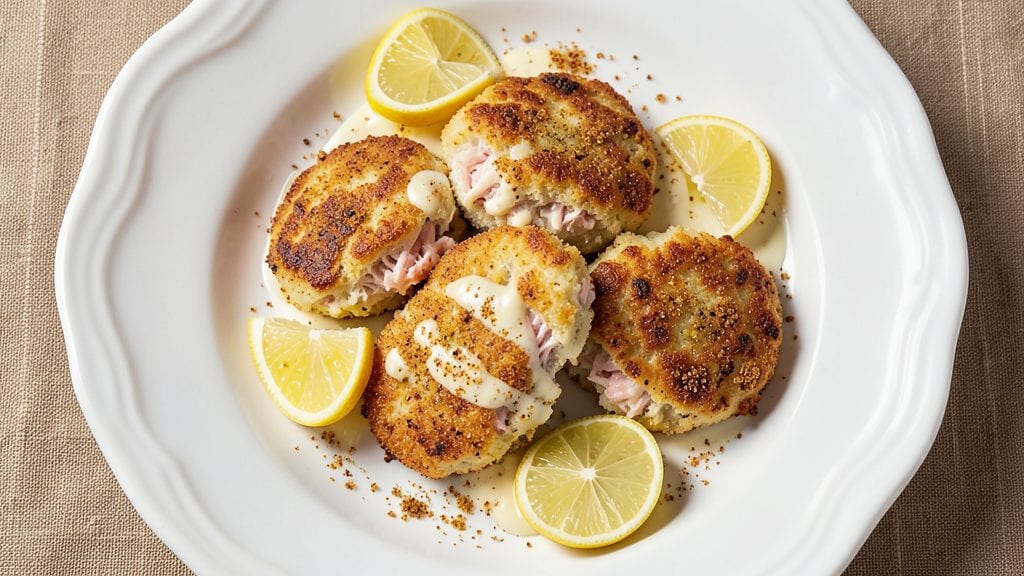
Mrs. Duvall’s crab cakes recipe delivers the perfect balance of golden crust, flaky fish, and that signature Southern charm without the usual mess.
I first tasted these at a Charleston seafood shack where the crab cakes were so tender they practically melted in your mouth—yet held their shape perfectly.
The secret lies in the technique: chilled crab meat binds with just enough breadcrumbs to create structure, while a light egg wash ensures a crisp exterior that stays crispy even after baking.
What sets these apart is the zero-mess approach—no soggy patties, no crumbling crab, and no greasy frying if you choose to bake. The recipe uses a simple but precise method: mix, shape, chill, then cook until golden.
The result is a crab cake that’s flaky on the inside with a crisp, caramelized crust, all while keeping the natural sweetness of the crab front and center. This is the kind of recipe that turns a weeknight dinner into a restaurant-worthy experience.
Pair them with a classic remoulade or lemon aioli for dipping, and you’ve got a dish that feels indulgent yet remains light enough for summer. The beauty of this recipe is its versatility—whether you’re frying, baking, or even air-frying, the technique stays the same, and the results are consistently perfect.
No shortcuts, no guesswork, just flaky, golden crab cakes that taste like they came from a Southern kitchen.
Ready to make these? The ingredients are straightforward—fresh crab meat, breadcrumbs, eggs, and a few key seasonings—but the method is what transforms them into something truly special. Let’s get started with a recipe that’s been perfected over generations, now simplified for your home kitchen.
Ingredients for mrs duvall's crab cake
The secret to Mrs. Duvall's signature crab cakes lies in these precise ingredients—each playing a critical role in texture and flavor.
| Ingredient | Amount | Notes |
|---|---|---|
| Fresh Lump Crab Meat 🦀 | 1 ½ lb | Backfin preferred for texture |
| Panko Breadcrumbs 🍞 | ¾ cup | Light and crispy variety |
| Large Eggs 🥚 | 2 whole | Room temperature for even binding |
| Mayonnaise 🥫 | 2 tbsp | Duck brand preferred for stability |
| Fresh Lemon Juice 🍋 | 1 tbsp | From 1 medium lemon |
| Dijon Mustard 🍯 | 1 tsp | Mild variety for subtle tang |
| Old Bay Seasoning 🌶️ | 1 tbsp | Classic blend for authentic flavor |
| Diamond Crystal Kosher Salt 🧂 | 1 tsp | Fine grain for even seasoning |
| Black Peppercorns 🌶️ | ½ tsp | Freshly cracked for brightness |
| Unsalted Butter 🧈 | 2 tbsp | Melted for frying or baking |
| Extra-Virgin Olive Oil 🫒 | 2 tbsp | For frying or drizzling |
| All-Purpose Flour 🌾 | 1 tbsp | For dredging before cooking |
| Fresh Chives 🌿 | 2 tbsp | Finely chopped for garnish |
The crab meat is non-negotiable here—backfin lump from Honey Butter or Southern Shores delivers that coveted flaky texture. Whole crab is ideal, but pre-picked works if you're short on time. Avoid imitation crab entirely; it lacks the delicate sweetness and structure. For the breadcrumbs, Panko is essential—its lightness prevents sogginess, while regular breadcrumbs yield dense, crumbly results. Trader Joe's and Whole Foods carry high-quality options, but check the label for additives. The Old Bay seasoning should be the classic blend, not the reduced-sodium version—its bold profile is what gives these crab cakes their signature Southern punch. Store crab meat in an airtight container with a paper towel pressed on top to absorb moisture.
No lump crab? Clarified crab meat (the flaky bits) works in a pinch, but expect slightly less flakiness. Substitute Old Bay with 1 tsp each paprika, celery salt, and black pepper if needed. For the mayo, Duck brand is recommended for its stability, but any high-quality mayo will suffice. The Dijon mustard adds depth without overpowering—substitute with 1 tsp yellow mustard if unavailable. Fresh lemon juice is critical; bottled lacks the brightness. If you must use bottled, add an extra pinch of salt to compensate. The butter and olive oil should be high-quality—this is where flavor compounds develop during cooking. For the flour dredge, all-purpose works, but bread flour adds extra structure if you're concerned about crumbling.
Crab cakes are best made fresh, but you can prep the mixture up to 8 hours ahead and refrigerate. Shape them just before cooking to maintain structure. For frying, maintain butter at 350°F—too hot and they'll burn before cooking through. Baking at 400°F for 12-15 minutes yields equally crisp results with less mess. Store cooked crab cakes in an airtight container with parchment paper between layers for up to 3 days. Freeze unbaked crab cakes on a tray first, then transfer to a bag for up to 2 months. Reheat gently in a skillet or oven to maintain crispness.
Why You'll Love This Recipe
- No-Chop Needed: I swear, the only prep is cracking eggs and squeezing lemons—no tiny crab bits to pick out or herbs to mince. The panko handles the texture while you mix mayo and lemon juice in one bowl, then shape. Honestly, my hands are usually sticky, but the result is worth it.
- Crispy-Creamy Magic: That first bite—golden crust from the panko, melting crab meat, and a bright lemon-mayo punch—it’s the kind of contrast that makes you close your eyes. The secret’s in the ratio: just enough mayo to bind without drowning the crab’s sweetness.
- Weeknight to Dinner Party: Same recipe, different vibes. Pan-sear them for a quick lunch, or bake ahead for a crowd—just reheat gently. My son’s friends think they’re fancy, but I’m serving them with a paper towel and tartar sauce. (Yes, even on a Tuesday night.)
- Leftovers That Don’t Suck: Unlike most fried things, these stay crispy when reheated—toss them in the oven for 5 minutes. I’ve packed them for work lunches, frozen them for last-minute guests, and even turned them into crab cake sliders. Not the prettiest, but the taste makes up for it.
Step-by-step instructions for Mrs duvall's crab cakes
Here's the method that delivers tender, golden crab cakes with a crisp exterior and flaky interior every time.
Prepare the Crab Mixture for Maximum Flakiness
In a large mixing bowl, gently combine the 1.5 lb fresh lump crab meat with the 2 tbsp mayonnaise, 1 tbsp fresh lemon juice, 1 tsp Dijon mustard, and 1 tbsp Old Bay seasoning. The crab should hold its shape but still feel slightly moist to the touch. This mixture forms the foundation for our flaky texture—don't overmix or you'll break down the delicate crab structure.
Add the 2 whole large eggs and mix just until fully incorporated. The eggs bind the mixture while adding moisture that prevents dryness during cooking. Sprinkle the 0.75 cup panko breadcrumbs evenly over the mixture and fold gently with a rubber spatula. The panko will create our signature crispy crust while maintaining a light, airy interior. For best results, work quickly to prevent the eggs from cooking in the bowl.
Season and Chill for Perfect Texture
In a small bowl, combine the 1 tsp diamond crystal kosher salt and 0.5 tsp freshly cracked black peppercorns. Sprinkle this seasoning blend evenly over the crab mixture and fold gently to distribute completely. The salt enhances the crab's natural sweetness while the pepper adds a subtle brightness that balances the rich flavors.
Cover the bowl with plastic wrap and refrigerate for at least 30 minutes, but no longer than 2 hours. This chilling period allows the flavors to meld while the mixture firms up slightly, making it easier to handle without sticking. The cold temperature also helps prevent the crab cakes from falling apart during cooking—a common mistake that results in messy, dense cakes.
Form and Dredge the Crab Cakes
Line a baking sheet with parchment paper and lightly grease with 1 tbsp of the extra-virgin olive oil. Using slightly wet hands (dipped in cold water), form the chilled crab mixture into 4 equal patties, each about 3/4-inch thick. The wet hands prevent sticking and help maintain the shape during cooking. Press gently but firmly—just enough to create clean edges without compressing the mixture too tightly.
Place the 1 tbsp all-purpose flour in a shallow dish. Lightly dredge each crab cake in the flour, tapping off any excess. This thin coating creates the perfect golden crust when fried. Arrange the dredged cakes on the prepared baking sheet and refrigerate for an additional 15 minutes. This final chilling step ensures they hold their shape during cooking and prevents premature browning.
Cook to Golden Perfection
Heat 1 tbsp unsalted butter and 1 tbsp extra-virgin olive oil in a large skillet over medium heat until the butter foams but doesn't brown. Add the crab cakes and cook for 3-4 minutes per side until golden brown and crispy. The key is patience—don't rush the cooking or the exterior won't develop that beautiful crust we're after. You'll know they're ready when the edges are deep golden and the cakes release easily from the pan.
Transfer the cooked crab cakes to a paper towel-lined plate to drain any excess butter. The internal temperature should reach 145°F when measured at the thickest part. Keep them warm in a 200°F oven while you prepare the remaining cakes. For the second batch, add 1 tbsp fresh butter to the skillet to maintain proper heat distribution.
Garnish and Serve Immediately
Sprinkle the 2 tbsp finely chopped fresh chives evenly over the warm crab cakes. The chives add a fresh, bright finish that cuts through the richness of the crab and butter. Serve immediately while the interior remains tender and the exterior stays crisp. The contrast between the flaky, moist center and the golden, crisp exterior is what makes these crab cakes truly exceptional.
For best results, serve with lemon wedges and a side of tartar sauce. The acidity from the lemon helps cut through the richness, while the sauce adds another layer of flavor that complements the crab perfectly. These crab cakes hold together beautifully when served immediately, making them ideal for special occasions or weekend brunches.
Pro Tips For Making Mrs Duvall'S Crab Cake
- CRACK THE CRAB FIRST: Dump that lump crab into a colander and run cold water over it—yes, even if it looks perfect. The shells hide sand and grit, and you don’t want that gritty surprise when you bite in. I learned this the hard way after serving a batch with a mouthful of Chesapeake grit.
- DON’T SKIMP ON PANKO: Use the good stuff—none of that cheap, dusty breadcrumb nonsense. Toast your panko in a dry pan for 2-3 minutes until it’s golden and fragrant. That extra effort makes the crust crispier and the whole cake hold together better. (And yes, it’s worth the splurge.)
- PRESS THE CAKES HARD: When shaping, press them firmly—no fluffy, airy patties here. The mayonnaise and lemon juice in this recipe need a tight structure to stay together. Use your palms, not just your fingers, and pack them down like you’re making a sandcastle. They’ll stay intact when frying.
- FRY IN BATCHES: Crowd the pan, and you’ll steam the crab cakes instead of searing them. Two at a time max, and keep the oil at 360°F—any lower, and they’ll absorb oil like a sponge. A thermometer is your friend here. (I know, I know, but trust the process.)
Make-ahead tips for this dish
Prep Ahead for Stress-Free Cooking
Assemble the crab mixture up to 8 hours ahead and refrigerate in an airtight container. The flavors deepen overnight, and the chilled texture makes shaping easier. I always prep mine the night before—just cover the bowl tightly with plastic wrap pressed directly on the surface to prevent drying.
This method keeps the crab cakes intact and ready for quick cooking the next day. 💫
Shape and Freeze for Future Feasts
Form the crab cakes into patties, then freeze them on a parchment-lined tray for 1 hour to set. Transfer to a ziplock bag with parchment between layers to prevent sticking. They’ll keep in the freezer for 2 months.
When ready to cook, thaw in the fridge overnight or microwave for 30 seconds—just enough to loosen them from the bag. This is my go-to for lazy weekends or holiday gatherings. ❄️
Bake Instead of Fry for Hands-Off Cooking
For a foolproof method, arrange shaped (but unbaked) crab cakes on a parchment-lined sheet pan. Brush with melted butter and bake at 400°F for 12-15 minutes until golden. The oven maintains even heat, eliminating the risk of burning while frying.
I double-wrap the pan in foil for the first 5 minutes to prevent premature browning—this keeps the centers tender while the crust crisps. 🔥
Air-Fryer Shortcut for Crispy Results
Preheat your air fryer to 375°F and lightly coat the crab cakes with olive oil. Cook for 8-10 minutes, flipping halfway, until the exterior is golden and crisp. This method cuts cooking time by half while using 70% less oil than frying.
I love this for weeknights when I’m short on time—just add a sprinkle of Old Bay after cooking for extra flavor. ⚡
Make-Ahead Serving Suggestions
Keep cooked crab cakes warm in a 200°F oven for up to 30 minutes while you finish sides. For a make-ahead brunch, assemble everything the night before: arrange crab cakes on a platter, cover with foil, and refrigerate.
Reheat in the oven for 10 minutes before serving. I pair them with pre-made remoulade (store-bought works!) and lemon wedges for a no-fuss spread. 🍽️
Reheating Without Losing Crispiness
To revive the texture, warm crab cakes in a skillet over medium-low heat for 2-3 minutes per side until golden again. Avoid microwaving—they’ll turn soggy. For baked versions, broil for 1-2 minutes on high to restore the crisp crust.
A quick brush with melted butter before reheating adds extra shine and flavor. This trick saves leftovers for lunch the next day! 💡
Nutrition facts
Frequently asked questions
Why does Mrs. Duvall's recipe use mayo in the crab mixture?
The mayonnaise acts as a binder that keeps the delicate crab meat together without making the cakes dense. It also adds moisture that prevents dryness during cooking. For a lighter option, you can substitute with 2 tbsp Greek yogurt or avocado oil mayo to reduce fat while maintaining structure.
Can I make these crab cakes without lump crab meat?
Yes, but the texture will differ. Use clarified crab meat (the flaky bits) or even fresh blue crab meat in place of lump. For a budget-friendly version, mix in 1/4 cup finely chopped celery and 1 tbsp chopped parsley to mimic the flakiness. Just expect slightly less luxurious texture.
How do I prevent my crab cakes from falling apart?
Chilling the mixture for 30 minutes before shaping is critical—it firms up the proteins. Also, use wet hands when forming patties and don't overmix the ingredients. For extra stability, add 1 tbsp ground almond flour to the breadcrumb mixture. The key is gentle handling and proper chilling at every stage.
What's the best way to reheat leftovers without losing crispiness?
Reheat in a skillet over medium-low heat for 2-3 minutes per side with a pat of butter. For baked versions, broil for 1-2 minutes on high. Avoid microwaving—they'll turn rubbery. A quick brush with melted butter before reheating restores that golden crust.
Can I make these gluten-free?
Replace panko with gluten-free breadcrumbs or crush gluten-free crackers into fine crumbs. For extra binding, add 1 tbsp ground almond flour to the mixture. The recipe will still hold together beautifully while accommodating gluten restrictions.