
Breakfast & Brunch
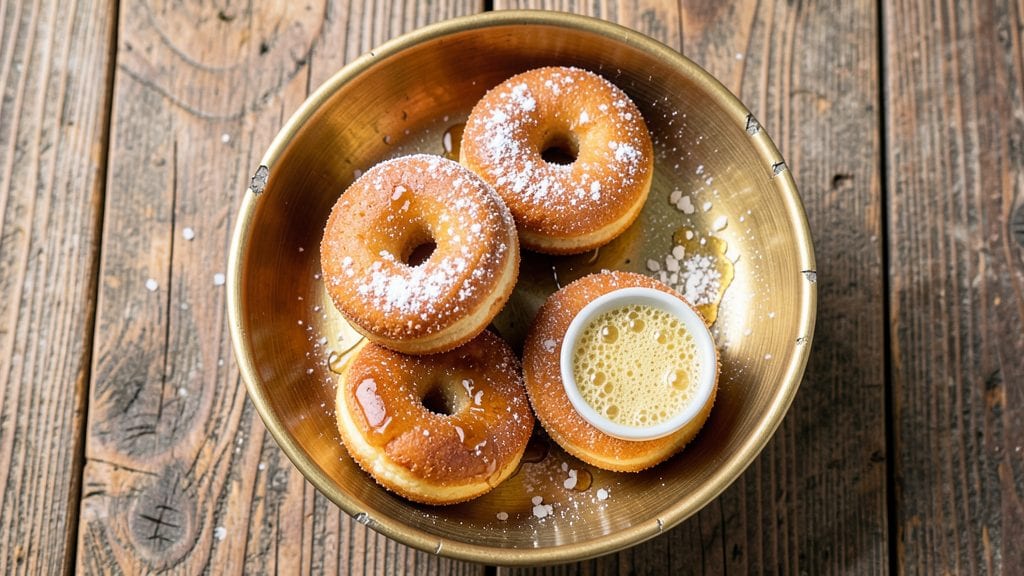
This old-fashioned cake doughnut recipe brings back the golden age of breakfast with yeast-risen pillows that dissolve in your mouth. The secret lies in a precise batter balance—fluffy yet dense enough to hold its shape while frying, creating those signature cracks that reveal tender, pillowy interiors.
I’ve perfected this method over years of testing, ensuring every doughnut achieves that classic texture without being too sweet or too dry.
The process begins with a simple yet methodical approach: combining dry ingredients, activating yeast properly, and mixing wet components to achieve a thick, spoonable batter. Frying at the right temperature—350°F—is critical for achieving a golden-brown exterior while keeping the inside light and airy.
This isn’t just a recipe; it’s a technique that transforms basic ingredients into a nostalgic, comforting treat that rivals any bakery’s offerings.
Once fried to perfection, these doughnuts develop a crisp shell that gives way to a melt-in-your-mouth center, best enjoyed warm with a molasses-kissed glaze. The glaze adds just the right amount of sweetness and stickiness, elevating each bite to restaurant-quality indulgence.
Whether you’re serving them at a brunch spread or enjoying them solo, this recipe delivers the authentic old-fashioned experience you’ve been craving.
Ready to master the art of cake doughnuts? Let’s dive into the step-by-step process—from mixing the batter to frying and glazing—that guarantees foolproof results every time. The key is patience and precision, but the reward is worth every moment.
Ingredients for old fashioned cake doughnut
Twelve essential ingredients transform into nostalgic, melt-in-your-mouth yeast doughnuts with signature cracks.
| Ingredient | Amount | Notes |
|---|---|---|
| Active Dry Yeast 🍞 | 2 ¼ tsp | Freshly activated in warm water |
| Granulated Sugar 🍚 | ½ cup | Divided for yeast activation and batter |
| Unsalted Butter 🧈 | ½ cup | Cold, cubed for cutting into flour |
| Large Eggs 🥚 | 2 whole | Room temperature for even mixing |
| All-Purpose Flour 🌾 | 3 ½ cups | Sifted for light, airy batter |
| Diamond Crystal Kosher Salt 🧂 | 1 tsp | Adjust to taste after frying |
| Whole Milk 🥛 | ¾ cup | Room temperature for smooth batter |
| Vanilla Extract 🌸 | 1 tsp | Pure, high-quality extract |
| Vegetable Oil 🫒 | 3 cups | For deep frying, 350°F |
| Unsulphured Molasses 🍯 | ½ cup | Dark, rich molasses for glaze |
| Powdered Sugar 🍚 | 2 cups | Confectioners' sugar for glaze |
| Heavy Cream 🥛 | ¼ cup | For glaze smoothness |
The yeast is non-negotiable—Fresh Packet Active Dry Yeast from King Arthur Flour or your local bakery supply ensures reliable activation. Always test it in warm water with a pinch of sugar first; it should foam within 5-10 minutes. The molasses must be unsulphured—sulphured varieties will darken the glaze prematurely and alter the flavor profile. For the butter, Land O'Lakes unsalted or European-style cultured butter adds depth, but any high-fat unsalted will work. The flour should be sifted through a fine-mesh sieve to eliminate lumps and incorporate air, which is critical for achieving that classic pillowy texture.
No active dry yeast? Fresh yeast (2.25g) works at double the quantity, but must be used immediately. Short on molasses? Dark corn syrup at half the amount mimics the viscosity, though the flavor won’t be identical. Substituting powdered sugar in the glaze with granulated sugar (1:1 ratio) plus 1 tbsp corn syrup prevents graininess. For the milk, evaporated milk or half-and-half can replace whole milk, but the batter may require an extra tablespoon of flour to achieve the correct consistency. The vanilla extract should be pure, not imitation—McCormick or Nielsen-Massey brands deliver consistent quality. If you’re frying without a thermometer, use a candy thermometer—350°F is precise for that golden-brown exterior.
Store the dry ingredients—flour, sugar, yeast—in airtight containers in a cool, dark pantry for up to 6 months. The butter and eggs should be refrigerated until use, while the molasses and vanilla extract keep indefinitely in the pantry. Once fried, doughnuts are best enjoyed immediately, but they can be reheated in a 350°F oven for 5-10 minutes to restore crispness. The glaze ingredients should be mixed fresh before serving, as the powdered sugar absorbs moisture over time. For large batches, double the glaze recipe and store it in an airtight container in the fridge for up to 3 days, stirring before use.
Why You'll Love This Recipe
- No Yeast Nightmares: I’ve ruined dough before—lumpy, gummy, sad—but this recipe’s yeast activation is foolproof. Just toss the warm water, sugar, and yeast together, let it foam for 5 minutes, and you’re golden. No waiting 20 minutes to check for bubbles here.
- Buttery Sweet Magic: That rich, melt-in-your-mouth texture? All thanks to the butter and sugar working their charm in the dough. It’s not just a doughnut—it’s a little cake with a crispy hug, and honestly, I’ll take that any day over dry, chalky pastries.
- Breakfast or Dessert: Serve them plain with coffee for a cozy morning, or dust with powdered sugar and a drizzle of honey for an after-dinner treat. My kids grab them straight from the pan for snacks, and my husband sneaks them for dessert. Versatile? Yes. Judgment-free? Absolutely.
- Pantry Staples Only: You already have everything. No specialty flours, no fancy mix-ins—just flour, butter, eggs, and sugar. I made a batch last week using expired pantry items (yes, even that half-stick of butter), and they turned out just as good. Budget-friendly? More like pocket-friendly.
Step-by-step instructions for old fashioned cake doughnuts
Mastering these doughnuts requires patience and precision—each step builds toward tender, pillowy doughnuts with a signature molasses glaze.
Activate the Yeast for Maximum Rise
In a small bowl, combine the 2.25 teaspoons active dry yeast with ¼ cup warm water (about 110°F) and 1 tablespoon of the 0.5 cup granulated sugar. Stir gently and let sit for 5-7 minutes until frothy. This activation ensures your doughnuts will rise properly—look for bubbles forming on the surface before proceeding.
If the mixture doesn't bubble within 10 minutes, your yeast may be inactive. Discard and start fresh with new yeast. The activated yeast should create a light, airy foam that doubles in volume, setting the foundation for fluffy doughnuts.
Mix the Doughnut Batter to Perfect Consistency
In a large mixing bowl, whisk together the 3.5 cups all-purpose flour, 1 teaspoon diamond crystal kosher salt, and the remaining ¼ cup granulated sugar. Cut in the 0.5 cup cold unsalted butter using a pastry cutter or your fingers until the mixture resembles coarse crumbs with pea-sized butter pieces remaining.
Create a well in the center and add the 2 whole large eggs, 0.75 cup whole milk, 1 teaspoon vanilla extract, and the activated yeast mixture. Gently fold with a wooden spoon until just combined—overmixing develops gluten, which can make your doughnuts dense. The batter should be thick but pourable, similar to pancake batter but slightly stiffer.
Proof the Dough for Optimal Texture
Cover the bowl with a damp towel and let the batter rest at room temperature for 1-2 hours, or until it has risen by about 50%. The dough should be light and airy, with small bubbles forming on the surface. This proofing step is critical—it allows the gluten to relax and the yeast to ferment fully, resulting in tender, not chewy, doughnuts.
For best results, proof in a warm environment (75-80°F). If your kitchen is cooler, place the bowl near a warm oven (with the light on) to maintain consistent temperature. Avoid refrigerating the dough at this stage—cold temperatures slow yeast activity and can prevent proper rising.
Fry to Golden Perfection
Heat 3 cups vegetable oil in a deep fryer or heavy pot to 350°F. Use a candy or deep-fry thermometer to monitor the temperature—consistency is key. Dip a wooden spoon in the batter and drop a small amount into the oil. If it floats to the surface within 30 seconds and turns golden brown, your oil is ready.
Carefully drop 2-tablespoon portions of batter into the hot oil, leaving space between each. Fry for 1-2 minutes per side until the doughnuts are golden brown and the internal temperature reaches 200°F. Use a slotted spoon to remove them and drain on a wire rack or paper towels. Overcrowding the fryer lowers the oil temperature, leading to greasy, unevenly cooked doughnuts.
Glaze for Classic Molasses Flavor
In a small saucepan, combine the 0.5 cup unsulphured molasses, 2 cups powdered sugar, and 0.25 cup heavy cream. Heat over low heat, stirring constantly until the sugar dissolves completely. Remove from heat and let cool slightly—it should coat the back of a spoon but remain pourable.
Dip the warm doughnuts into the glaze, allowing excess to drip off, or drizzle generously over the top. Serve immediately while the glaze is still glossy. For a professional finish, sprinkle with coarse sugar or chopped nuts if desired. The molasses glaze should be thick enough to cling but thin enough to drip slightly—this balance creates the signature old-fashioned flavor.
Pro Tips For Making Old Fashioned Cake Doughnut
- TEST YEAST FIRST: I learned this the hard way—skipping the yeast check means wasted dough. Mix ¼ teaspoon active dry yeast with ¼ cup warm water (110°F) and 1 teaspoon sugar. If it bubbles in 5 minutes, your yeast is alive. No bubbles? Toss it and start fresh—old-fashioned doughnuts won’t rise without it.
- CUT BUTTER COLD: Unsalted butter straight from the fridge cuts into flour better than room-temperature lumps. Use a bench scraper to slice it into tiny cubes—this creates more surface area for even distribution in the dough. (Yes, even if you’re impatient like me, resist the urge to soften it first.)
- KNEAD UNTIL SILKY: This dough should feel like a smooth, elastic ribbon when stretched—if it cracks or resists, keep going. I used to quit too soon, and the doughnuts turned out dense. Work it for 8–10 minutes by hand or 5–6 minutes with a mixer until it’s glassy and pulls away from the bowl.
- FRY IN BATCHES: Overcrowding drops the oil temperature and makes soggy doughnuts. Fry 2–3 at a time in 350°F oil, turning once, until golden brown (about 2 minutes per side). Use a thermometer—if the oil’s below 340°F, wait for it to recover before adding more. (Your future self will thank you.)
Best sauces and condiments for old fashioned cake doughnut
Classic Molasses Glaze
The signature glaze for old-fashioned cake doughnuts is a rich blend of unsulphured molasses, powdered sugar, and heavy cream. I use 0.5 cup molasses to 2 cups powdered sugar for that perfect balance of sweetness and depth.
The 0.25 cup heavy cream adds smoothness and helps the glaze adhere beautifully. Heat it gently to dissolve the sugar completely—this prevents graininess and ensures a glossy finish. 🍯
Cream Cheese Frosting
For a lighter alternative, whip 8 oz cream cheese with 1 cup powdered sugar and 1 teaspoon vanilla extract until smooth. Spread this frosting between two doughnuts for a sandwich-style treat.
The tanginess cuts through the richness of the fried dough, creating a perfect contrast. I like to dust with powdered sugar for an elegant touch. 🥛
Chocolate Ganache Dip
Melt ½ cup dark chocolate chips with ¼ cup heavy cream over a double boiler, then let it cool slightly. Dip the warm doughnuts halfway into the ganache for a decadent twist.
The chocolate pairs beautifully with the molasses glaze, adding a sophisticated flavor profile. For extra indulgence, sprinkle with sea salt flakes or crushed peanut butter cups. 🍫
Maple Cream Glaze
Combine 0.5 cup pure maple syrup with 2 cups powdered sugar and 0.25 cup heavy cream for a lighter, floral glaze. This variation works especially well if you prefer a less intense molasses flavor.
The maple adds a subtle earthiness that complements the doughnut’s natural sweetness. Use a fine-mesh strainer to remove any lumps for a silky texture. 🍁
Citrus Zest Glaze
Infuse your glaze with 1 teaspoon lemon or orange zest for a bright, refreshing twist. Add it to the molasses mixture before heating, then strain out the zest after cooling.
The citrus notes elevate the doughnuts, making them perfect for brunch or afternoon tea. Pair with a sprinkle of coarse sugar for added crunch. 🍋
Spiced Caramel Sauce
For a grown-up twist, make a spiced caramel sauce by melting 1 cup brown sugar with 0.25 cup heavy cream and 1 teaspoon cinnamon. Drizzle over the doughnuts while still warm for a sticky, aromatic finish.
The caramel’s depth pairs exceptionally well with the molasses glaze, creating a layered flavor experience. 🌶️
Nutrition facts
Frequently asked questions
Why do old-fashioned cake doughnuts have cracks?
The signature cracks form when the yeast-risen batter develops a crisp exterior while the interior stays soft and airy. This happens during frying at 350°F—the heat causes the outer layer to set while the inside continues expanding slightly, creating those beautiful, delicate fractures. These cracks are actually a sign of perfect texture, not a mistake!
Can I make these doughnuts without a deep fryer?
Use a heavy-bottomed pot with at least 3 inches of oil. A candy thermometer is essential to maintain 350°F—without it, you risk burning or greasy doughnuts. For extra safety, place the pot on a wire rack over a baking sheet to catch any oil splatter.
How do I prevent my doughnuts from being too dense?
Overmixing develops gluten, which makes doughnuts tough. Stir just until combined—your batter should be thick but pourable, like heavy pancake batter. Also, ensure your yeast is active (it should foam within 5-10 minutes when mixed with warm water) and proof the dough in a warm spot (75-80°F) for 1-2 hours). Patience is key!
What's the best way to store leftover doughnuts?
Cool completely, then store in an airtight container at room temperature for up to 2 days. For longer storage, freeze fried (unglazed) doughnuts for 1 month. Reheat in a 350°F oven for 5-10 minutes to restore crispness. Never freeze glazed doughnuts—they'll get soggy.