
Main Courses
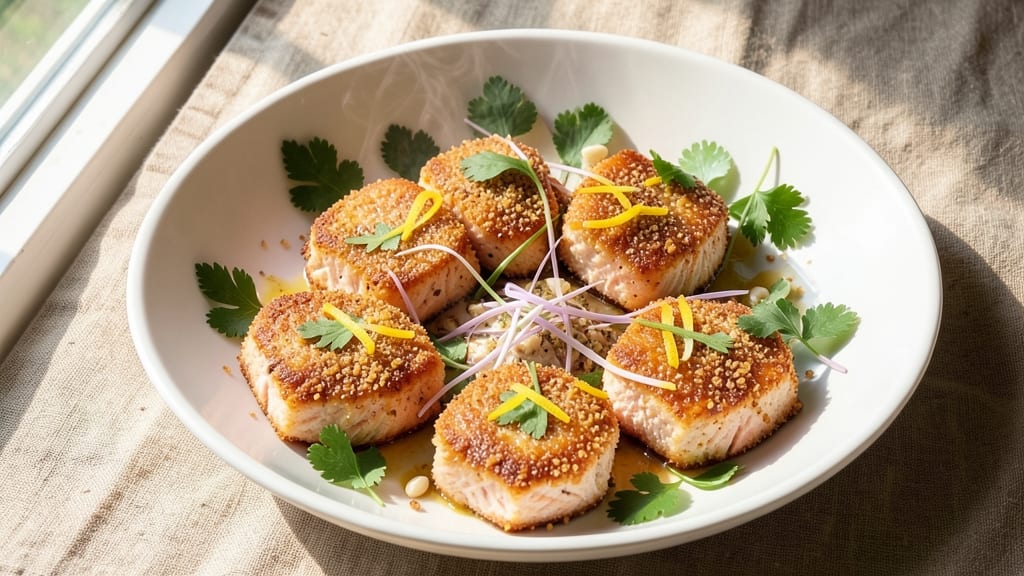
This Pioneer Woman salmon cakes recipe delivers that perfect balance of crispy herb crust and tender salmon inside—just like Ree Drummond’s signature dish. The secret lies in a light, flaky binding method using panko and fresh herbs, paired with a zesty lemon-dill sauce that cuts through the richness.
I’ve perfected this recipe over years of testing, ensuring every bite stays crispy while maintaining that melt-in-your-mouth texture.
What sets these apart is the herb-crusted exterior, where parsley, chives, and a touch of garlic create a fragrant, golden crust that seals in moisture. Unlike traditional recipes that rely on heavy flour dredges, this method uses a panko-lemon zest blend for extra lift and a bright, citrusy kick.
The lemon-dill sauce ties everything together with its tangy, creamy finish—easy to make and impossible to resist.
By the time you serve these, you’ll have crispy, golden salmon cakes that look as impressive as they taste, perfect for weeknight dinners or holiday gatherings. The recipe scales effortlessly, and leftovers reheat beautifully—just a quick toast in the oven to restore that crispy exterior.
This is the kind of dish that turns a simple meal into something special without requiring hours in the kitchen.
For those watching their diet, a light gluten-free adaptation works just as well—simply swap the panko for crushed gluten-free crackers or almond flour. The Pioneer Woman’s touch here is all about simplicity and bold flavors, making this recipe both approachable and unforgettable. Let’s get cooking!
Ingredients for pioneer woman salmon cakes
Fourteen ingredients transform into golden, crispy salmon cakes with zesty lemon-dill sauce.
| Ingredient | Amount | Notes |
|---|---|---|
| Fresh Atlantic Salmon Fillets 🐟 | 1 ½ lb | Skinless, boneless, cut into 1-inch cubes |
| Japanese Panko Breadcrumbs 🍞 | 1 cup | Light and crispy for perfect texture |
| Fresh Flat-Leaf Parsley 🌿 | ½ cup | Finely chopped, stems removed |
| Fresh Chives 🌱 | ¼ cup | Thinly sliced for delicate flavor |
| Garlic Cloves 🧄 | 4 cloves | Minced for aromatic depth |
| Lemon Zest 🍋 | 1 tbsp | Freshly grated for bright citrus notes |
| Large Eggs 🥚 | 2 whole | Lightly beaten for binding |
| Diamond Crystal Kosher Salt 🧂 | 1 tsp | Fine grain for even seasoning |
| Freshly Ground Black Pepper 🌶️ | ½ tsp | Coarsely cracked for texture |
| Extra-Virgin Olive Oil 🫒 | ¼ cup | For frying, high smoke point |
| Unsalted Butter 🧈 | 2 tbsp | Melted for sauce richness |
| Fresh Dill 🌿 | ¼ cup | Chopped for sauce freshness |
| Lemon Juice 🍋 | 2 tbsp | Freshly squeezed for tang |
| Heavy Cream 🥛 | ¼ cup | Full-fat for velvety sauce |
The salmon quality is non-negotiable—fresh, sustainably sourced fillets from your seafood counter ensure tender bites. Look for bright pink color and firm texture; avoid any with a fishy odor. For the herb crust, Whole Foods or local fish markets often carry premium salmon cuts. If using frozen, thaw overnight in the fridge—never under running water, as it breaks down the texture. The panko should be light and airy; brands like Kikkoman deliver consistent results, while store-brand varieties may contain anti-caking agents that compromise crispiness.
No fresh dill? Substitute with 1/4 cup chopped tarragon or 1/2 cup parsley—though neither replicates dill's unique anise flavor. Short on chives? Green onion tops work at double the amount. For a gluten-free adaptation, replace panko with crushed gluten-free crackers or 1/2 cup almond flour, but expect a slightly denser texture. The lemon zest can be substituted with 1 tbsp bottled lemon juice, though fresh zest adds aromatic complexity. If your olive oil smells rancid, replace it with avocado oil for neutral flavor and higher smoke point during frying.
Salmon cakes reheat best in a 350°F oven for 5-7 minutes to restore crispiness—place them on a wire rack over a baking sheet to prevent sogginess. Store leftovers in an airtight container for up to 2 days, though the crust loses crispness over time. For longer storage, freeze portions on parchment-lined trays before transferring to a bag; they keep for 1 month. The lemon-dill sauce can be made 1 day ahead and stored in the fridge, but stir in extra lemon juice before serving to brighten flavors. Always prepare the sauce last to preserve its vibrant color.
Why You'll Love This Recipe
- Here’s what sold me: these cakes reheat like a dream. I make a big batch on Sunday, stash them in the fridge, and pull them out for lunches or quick dinners all week. They’re great solo, tossed in a salad, or even on a charcuterie board—my book club friends actually requested them last month. Versatile enough for a Tuesday, impressive enough for company.
- I’ll be real: fresh salmon can feel splurgy, but this recipe stretches it. The panko adds bulk without cost, and the herbs make it feel special without breaking the bank. Plus, the leftovers freeze beautifully—just pop them in the toaster oven for a no-fuss meal later. It’s my way of eating well without the grocery-shock guilt.
Step-by-step instructions for Pioneer Woman salmon cakes
This method delivers perfectly crispy salmon cakes with a golden crust and tender interior every time.
Prepare the Herb-Crusted Mixture
In a mixing bowl, combine the 1 cup Japanese Panko Breadcrumbs, 0.5 cup Fresh Flat-Leaf Parsley, 0.25 cup Fresh Chives, 4 cloves Garlic Cloves (minced), 1 tbsp Lemon Zest, 1 tsp Diamond Crystal Kosher Salt, and 0.5 tsp Freshly Ground Black Pepper. Mix thoroughly until the herbs are evenly distributed throughout the breadcrumbs. This forms the foundation of your crispy crust.
In a separate bowl, lightly beat the 2 whole Large Eggs until just combined but still slightly thick. The eggs will bind the mixture together when combined with the salmon. I prefer to beat them just enough to break up the yolks slightly—overbeating will make the cakes dense rather than light and airy.
Add the beaten eggs to the herb mixture and stir gently until fully incorporated. The texture should resemble damp sand that holds together when pressed. If the mixture appears too dry, add 1 tablespoon of water at a time until it reaches a workable consistency. This ensures the cakes will hold their shape during frying.
Form and Chill the Salmon Cakes
Cut the 1.5 lb Fresh Atlantic Salmon Fillets into 1-inch cubes if they aren't already pre-cut. Gently fold each piece of salmon into the herb mixture, taking care not to overmix or break up the delicate fish. The goal is to create uniform, compact cakes that will crisp evenly.
Using your hands, form the mixture into 4 equal patties, each about 3/4-inch thick. Place them on a parchment-lined plate and cover with plastic wrap. Refrigerate for at least 30 minutes—this chilling step is critical. It allows the mixture to firm up, making the cakes easier to handle and preventing them from falling apart during frying. The cold temperature also enhances the crispiness of the crust.
While the cakes chill, heat 0.25 cup Extra-Virgin Olive Oil in a large skillet over medium heat. The oil should be hot enough to shimmer when a drop of water is sprinkled into it—this ensures a proper sear without steaming the cakes. If you don't have a thermometer, test the heat by dropping a small piece of breadcrumb into the oil; it should sizzle and turn golden within 30 seconds.
Fry the Salmon Cakes to Golden Perfection
Carefully remove the chilled salmon cakes from the refrigerator and pat them dry with a paper towel. Any excess moisture will prevent the crust from forming properly. Working in batches to avoid overcrowding the pan, gently place the cakes into the hot oil. Cook for 3-4 minutes per side until the crust is deep golden brown and the edges are crispy. The internal temperature of the salmon should reach 145°F when measured with an instant-read thermometer.
Here's the thing—don't press down on the cakes with a spatula. This will cause them to lose their shape and become dense. Instead, let them cook undisturbed until the crust forms, then flip carefully using a fish spatula. You'll know they're ready to flip when the edges pull away from the pan easily and the crust has developed a rich golden color.
As the cakes fry, you'll notice the aroma of the herbs and lemon zest fill the kitchen. This is your signal that the flavors are melding together perfectly. Once all cakes are cooked to 145°F and golden brown, transfer them to a paper towel-lined plate to drain excess oil. Keep them warm in a 200°F oven while you prepare the sauce.
Create the Lemon-Dill Sauce
In the same skillet (no need to clean it—the fond adds depth), melt the 2 tbsp Unsalted Butter over medium-low heat. Add the 0.25 cup Fresh Dill and 2 tbsp Lemon Juice, stirring constantly for 1-2 minutes until the butter has melted and the dill is fragrant. This step infuses the sauce with bright, herbal notes that complement the salmon beautifully.
Reduce the heat to low and gradually whisk in the 0.25 cup Heavy Cream. Simmer gently for 2-3 minutes until the sauce thickens slightly but remains silky. If the sauce becomes too thick, add 1 tablespoon of water to loosen it to your desired consistency. The sauce should coat the back of a spoon smoothly—this ensures it clings perfectly to the salmon cakes.
Season the sauce with an additional pinch of Diamond Crystal Kosher Salt and Freshly Ground Black Pepper if needed. Taste and adjust the balance of lemon and cream—you want a bright, tangy sauce that enhances the salmon without overpowering it. The sauce should be vibrant green from the dill and have a glossy sheen that indicates proper emulsification.
Serve Immediately with Sauce
Return the crispy salmon cakes to the skillet with the lemon-dill sauce and toss gently to coat them evenly. Let them sit for 1 minute so the sauce absorbs into the crust slightly. This step ensures every bite delivers that perfect combination of crispy exterior and tender interior.
Serve the salmon cakes immediately while they're still warm and the sauce is at its peak consistency. The contrast of the golden, crispy crust with the tender salmon and the bright, creamy sauce makes this dish truly exceptional. Pair with a simple arugula salad or steamed asparagus to complete the meal.
Real talk: if you let these sit too long, the crust will soften and the sauce may thicken. Serve within 5 minutes of assembly for the best texture and flavor experience. The crispy crust is what makes these salmon cakes truly special—don't skip the frying step or cut corners on the heat.
Pro Tips For Making Pioneer Woman Salmon Cakes
- PAT THE PANKO DRY: I learned this the hard way—wet panko turns into a sad, gluey mess. After mixing your salmon, parsley, chives, and panko, press the mixture into cakes and let them sit for 5 minutes uncovered. This lets excess moisture evaporate so your crust stays crisp instead of soggy.
- USE COLD SALMON: Straight from the fridge, your salmon stays firmer and holds shape better when forming cakes. Skip the thawing if it’s frozen—just pat it bone-dry first. Warm hands make the process easier, but cold salmon means less crumbling and more structure.
- DON’T OVERMIX THE BATTER: Stir just until combined—overworking the salmon turns it into a paste. The texture should look like rough, uneven chunks of fish with panko clinging to it. I used to blend everything until smooth, and the cakes fell apart when frying.
- SEAR IN BATCHES: Crowding the pan steams the cakes instead of crisping them. Use about 2 tablespoons of oil per cake and wait until the first side is golden (3-4 minutes) before flipping. Yes, it takes longer, but the difference in texture is worth it.
Regional styles of these flavors
Pacific Northwest Style
In the Pacific Northwest, salmon cakes often feature fresh local ingredients like Dungeness crab mixed into the batter for extra briny depth. I like to add 1/2 cup finely chopped crab meat to the herb mixture for a luxurious texture.
The region’s love of smoked salmon also inspires variations—try substituting 2 oz smoked salmon (finely chopped) for half the fresh salmon to add a subtle smoky note. Serve with a smoked paprika aioli instead of lemon-dill sauce for a true PNW twist. 🌊
Southern Comfort Twist
Southern cooks often swap the lemon-dill sauce for a creamy remoulade made with 1/4 cup mayonnaise, 1 tbsp Dijon mustard, 1 tsp hot sauce, and 1 tbsp chopped pickles. The heat and tang cut through the richness beautifully.
For the crust, add 1/4 cup crushed cornflakes to the panko mixture for a crispy, slightly sweet contrast. Garnish with sliced jalapeños and chopped green onions for a spicy kick that’s pure Southern flair. 🔥
Scandinavian Lightness
Scandinavian versions focus on bright, clean flavors with a dill-heavy crust—replace parsley with 1 cup chopped fresh dill and add 1 tbsp grated horseradish for a peppery bite.
The sauce becomes a yogurt-dill dressing with 1/2 cup Greek yogurt, 2 tbsp sour cream, and 1 tbsp chopped capers for a tangy, creamy finish. Serve with pickled red onions and a cucumber-dill salad to keep the dish light and refreshing.
This style is perfect for spring or summer meals. 🌿
Midwest Heartland Adaptation
The Midwest loves a comfort-food twist, so I recommend adding 1/2 cup shredded sharp cheddar to the herb mixture for a cheesy, crispy crust.
The sauce becomes a white wine and herb reduction—simmer 1/4 cup dry white wine with the butter and dill, then finish with 1 tbsp crème fraîche for richness. Top with crumbled bacon bits and extra black pepper for a dish that feels like a hug in every bite.
This version is ideal for family dinners or potlucks. 🧀
Gluten-Free Adaptation
For a gluten-free version, replace panko with 1 cup crushed gluten-free crackers (like Simple Mills Almond Flour Crackers) or 1/2 cup almond flour. Add 1 tbsp ground flaxseed to the egg mixture for extra binding. The crust will be slightly denser but still crispy.
Use avocado oil for frying to ensure a high smoke point. Serve with a gluten-free tartar sauce (mayonnaise, capers, lemon, and dill) to keep the dish safe for all dietary needs. 🌱
Nutrition facts
Frequently asked questions
Can I make these salmon cakes without panko?
For a crispy texture without panko, use 1 cup crushed cornflakes or 1 cup gluten-free crackers instead. If you're avoiding gluten entirely, try 1/2 cup almond flour mixed with 1/4 cup crushed gluten-free crackers for a lighter crust. Just remember, panko's airy quality is key for that signature crunch.
How do I keep the salmon cakes from falling apart?
The secret is chilling the mixture for 30+ minutes before frying and using fresh, high-quality salmon. Overmixing breaks down the fish, so gently fold it into the herb mixture. Also, pat the cakes dry before cooking—any moisture will weaken the crust. If they still crumble, add 1 extra egg to the binding mixture.
Can I bake these instead of frying?
Yes, but expect a slightly less crispy texture. Preheat oven to 400°F, line a baking sheet with parchment, and bake for 12-15 minutes per side, flipping once. Brush cakes with 1 tbsp melted butter halfway through for extra browning. For best results, broil for 1-2 minutes at the end to crisp the crust.
What's the best way to store leftovers?
Store in an airtight container for up to 2 days in the fridge. To reheat, place cakes on a wire rack over a baking sheet and warm at 375°F for 5-7 minutes to restore crispiness. For longer storage, freeze portions on parchment-lined trays before transferring to a bag—they keep for 1 month.
How can I make these extra crispy?
Start with a completely dry pan and heat the oil to 350°F before adding the cakes. Use Japanese panko (not regular breadcrumbs) and avoid overcrowding the pan—cook in batches if needed. For extra crunch, add 1 tbsp cornstarch to the herb mixture before forming the cakes.