
Desserts
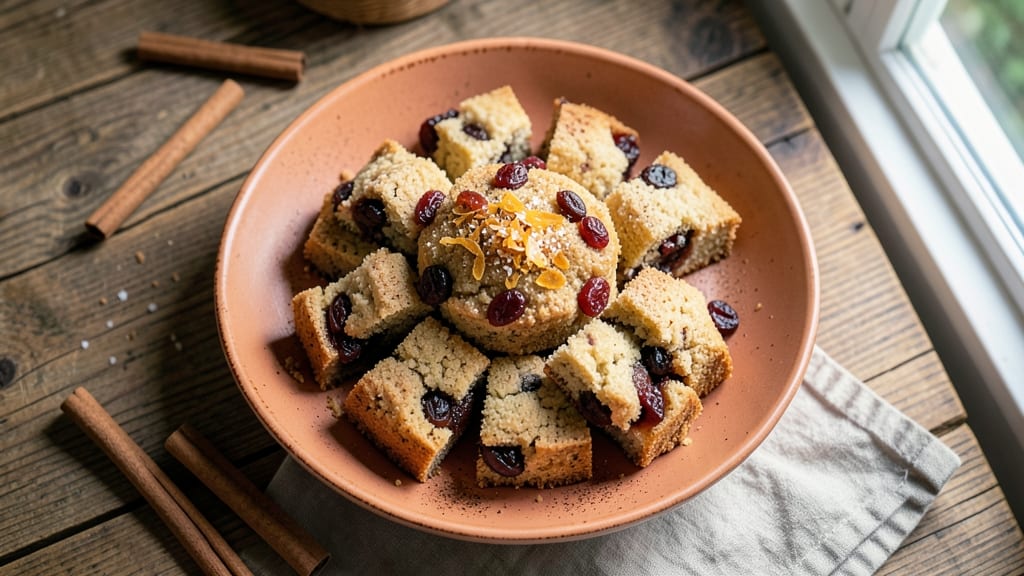
This Shrewsbury cakes recipe delivers a timeless British dessert with layers of spiced fruit, buttery pastry, and toasted almond crunch—perfect for afternoon tea or holiday gatherings.
The traditional method uses suet for richness, but I’ve refined it to balance old-world charm with modern convenience, ensuring every bite is both nostalgic and satisfying. The secret lies in the rum-soaked dried fruit, which infuses deep, warming flavors that pair beautifully with a cup of Earl Grey.
What sets these cakes apart is their textured contrast: tender fruit filling sandwiched between flaky, golden pastry layers, all crowned with toasted almonds for a satisfying crunch.
The recipe yields eight generous servings, making it ideal for sharing, and the preparation—while requiring patience—is straightforward once you master the suet handling. No special equipment is needed beyond a standard oven and mixing bowls, so even home bakers can achieve restaurant-quality results.
The outcome is a dessert that’s rich yet balanced, with the spiced rum adding warmth without overpowering the natural sweetness of the fruit. The pastry stays crisp at the edges while remaining tender inside, and the almond topping adds a delightful nutty finish.
Serve warm with clotted cream or a dusting of powdered sugar for an elevated tea-time experience. Ready in about 45 minutes of baking time, these cakes are worth the effort for any special occasion.
For those with dietary preferences, I’ve included notes on adapting the recipe with gluten-free flour or vegan butter, ensuring everyone at the table can enjoy this classic treat.
The versatility of Shrewsbury cakes makes them a crowd-pleaser, whether you’re hosting a formal tea or simply craving a comforting dessert. Let’s get baking!
Ingredients for shrewsbury cakes
Eight essential ingredients create these nostalgic British cakes with spiced rum depth and buttery crunch.
| Ingredient | Amount | Notes |
|---|---|---|
| All-Purpose Flour 🌾 | 2 ½ cups | Sifted for light texture |
| Cold Unsalted Butter 🧈 | 1 ¼ cups | Cubed, for pastry layers |
| Granulated Sugar 🍚 | ½ cup | White, for pastry |
| Dried Mixed Fruit 🍇 | 1 ½ cups | Chopped, with seeds removed |
| Dark Rum 🍹 | ¼ cup | Aged, for soaking fruit |
| Ground Cinnamon 🌿 | 1 tbsp | Freshly ground preferred |
| Ground Allspice 🌶️ | ½ tsp | For warm spice notes |
| Ground Ginger 🌿 | ½ tsp | Freshly ground for brightness |
| Salted Butter 🧈 | ¼ cup | Melted, for fruit mixture |
| Large Eggs 🥚 | 1 whole | Room temperature for binding |
| Whole Milk 🥛 | ¼ cup | Cold, for pastry |
| Toasted Sliced Almonds 🥜 | ½ cup | Lightly browned for crunch |
| Vegetable Suet 🧈 | ½ cup | Finely grated for richness |
| Powdered Sugar 🍚 | ¼ cup | For dusting final cakes |
| Vanilla Extract 🍯 | ½ tsp | Pure, for fruit mixture |
The vegetable suet is non-negotiable for that classic richness—Armstrong’s brand is widely available in British grocery sections or online. If unavailable, vegan butter plus 1 tbsp coconut oil mimics the texture. The dark rum should be aged at least 3 years for depth; Captain Morgan or Gosling’s work well. For the dried fruit, avoid pre-moistened varieties—Whittard of Chelsea or local British markets carry excellent options. Toast the almonds yourself (5 minutes in a dry pan) for superior crunch over pre-toasted store-bought.
No suet? Substitute 0.75 cups cold, cubed butter plus 1 tbsp cornstarch for structure. Short on rum? Orange juice or apple cider adds moisture without alcohol (reduce by 1 tbsp). The vegetable suet can be replaced with beef suet for authenticity, though it requires trimming excess fat. For gluten-free adaptation, use a 1:1 gluten-free flour blend like Bob’s Red Mill, though texture may vary slightly. The toasted almonds can be swapped for pecans or hazelnuts if preferred—just adjust toasting time accordingly.
Store the dried fruit mixture in an airtight container for up to 1 week—the flavors deepen overnight. The pastry layers keep well for 3 days when wrapped in parchment, though they’re best enjoyed fresh. For make-ahead convenience, assemble the cakes (unbaked) and refrigerate for 24 hours before baking. The finished cakes reheat beautifully in a 200°F oven for 5 minutes to restore warmth. Portion into individual servings for elegant presentation.
Why You'll Love This Recipe
- No Fuss, No Mess: I swear by this recipe because it’s the kind of baking that doesn’t demand perfection—just dump, mix, and bake. The cold butter cuts in fast, and the dried fruit doesn’t need soaking (yes, even the raisins play nice). Honestly, I’ve made these with my hands still floury from rolling out pie dough.
- Rum-Soaked Magic: That splash of dark rum? It’s not just for show—it softens the fruit overnight and adds a deep, boozy warmth that turns ordinary fruitcake into something special. Between us, I’ve been known to sneak an extra teaspoon when no one’s looking.
- Tea Time or Picnic Hero: These are my go-to for afternoon tea, but they’re just as happy in a lunchbox or packed for a hike. The texture holds up better than most cakes, and the sugar coating keeps them from getting soggy. My daughter’s school friends still ask for them by name—three years later.
- Budget-Friendly Pantry Stash: Flour, sugar, butter, and dried fruit? This is the kind of recipe that uses what you already have. I’ve made these with whatever fruit was on sale (apricots, cherries, even that half-empty box of currants), and they’re always better the second day. Plus, they freeze like a dream—so no wasted effort.
Step-by-step instructions for spiced rum-kissed Shrewsbury cakes
Here's the method for creating these layered delicacies with perfect pastry and rum-infused fruit.
Prepare the Fruit Filling
In a heatproof bowl, combine the 1.5 cups dried mixed fruit, 0.25 cup dark rum, and 0.5 tsp vanilla extract. Cover with a damp cloth and let soak for at least 1 hour—this ensures the fruit absorbs the rum's depth and softens properly. The mixture should smell richly aromatic when ready, with the rum's warmth permeating the dried fruit.
Transfer the soaked fruit to a saucepan and add the 0.25 cup melted salted butter. Simmer over medium-low heat for 8-10 minutes, stirring occasionally, until the fruit releases its natural juices and thickens slightly. You'll notice the mixture darkens and becomes glossy—this indicates proper reduction. Remove from heat and let cool completely before using.
Create the Pastry Layers
In a large mixing bowl, combine the 2.5 cups all-purpose flour, 0.5 cup granulated sugar, 1 tbsp ground cinnamon, 0.5 tsp ground allspice, and 0.5 tsp ground ginger. Cut in the 1.25 cups cold unsalted butter using a pastry cutter or your fingers until the mixture resembles coarse crumbs with pea-sized butter pieces remaining. This texture is crucial for achieving flaky layers.
Add the 1 whole large egg and 0.25 cup cold whole milk, mixing just until the dough comes together. Avoid overworking the dough—handle it minimally to prevent tough pastry. Divide the dough into three equal portions, flatten into discs, wrap in plastic, and chill for 30 minutes. Cold dough prevents spreading during baking.
Assemble the Cakes
Preheat your oven to 375°F. Roll out one-third of the chilled dough on a lightly floured surface to 1/8-inch thickness and cut into 8-inch circles using a round cutter. Transfer to a parchment-lined baking sheet. Repeat with the remaining dough, creating three layers.
Spread the cooled fruit mixture evenly over the first layer, leaving a 1/2-inch border. Sprinkle with 0.5 cup toasted sliced almonds and 0.5 cup vegetable suet, pressing gently to adhere. Top with the second pastry circle, then repeat with remaining filling and almonds. Finish with the top layer, sealing the edges by crimping with a fork.
Bake to Golden Perfection
Bake in the preheated oven for 35-40 minutes, until the edges are deep golden brown and the cakes pull away slightly from the pan. Rotate the baking sheet halfway through for even browning. The centers should feel firm to the touch but still slightly soft.
Remove from the oven and immediately dust the tops with 0.25 cup powdered sugar while still warm. This creates a delicate, snowy finish that contrasts beautifully with the rich fruit layers. Let cool on a wire rack for 15 minutes before slicing—this allows the layers to set properly while maintaining their moisture.
Pro Tips For Making Shrewsbury Cakes
- Chill the Butter Hard: Take that block of unsalted butter out of the fridge and pop it in the freezer for 15 minutes before cutting it into cubes. I learned this the hard way—soft butter spreads instead of creating those perfect, flaky layers, and your cakes end up dense instead of tender.
- Soak the Fruit Overnight: Skip the last-minute fruit soak—mix the dried mixed fruit with the rum and let it sit in a bowl for at least 8 hours (or overnight if you can). The fruit absorbs more liquid and flavor, and your cakes won’t taste like you just stuffed in raisins and currants. (Yes, even if you’re impatient like me.)
- Don’t Overmix the Dough: Once you add the flour to the butter-sugar mixture, stir just until combined—no more. Overmixing develops the gluten and turns your cakes into tough, chewy bricks. Think "clumpy but moist," not "smooth and elastic."
- Bake in Two Batches: Your oven’s hot spots are real, and Shrewsbury cakes spread more than you’d expect. Bake half the dough first, rotate the tray halfway through, then do the second batch. This guarantees even golden-brown cakes instead of one side burning while the other stays pale. (Your future self will thank you.)
Creative variations of this dish
Classic British Tea Version
For a true British afternoon tea experience, serve these cakes warm with a pot of Earl Grey tea and clotted cream on the side. The spiced rum notes in the fruit complement the bergamot in the tea beautifully.
I like to arrange the cakes on a three-tier serving platter with small plates, adding a dusting of powdered sugar just before serving for that classic finish. 🍵
Spiced Rum Glaze Upgrade
Elevate your cakes with a spiced rum glaze—simmer ½ cup powdered sugar, 1 tbsp dark rum, and 1 tsp lemon juice until smooth, then drizzle over the cooled cakes.
This adds a glossy sheen and extra rum flavor without altering the texture. For a festive touch, garnish with crushed pistachios or gold leaf flakes.
Vegan-Friendly Adaptation
Replace the vegetable suet with ½ cup vegan butter and 1 tbsp coconut oil, and use a flax egg (1 tbsp ground flaxseed + 3 tbsp water) instead of chicken eggs.
The pastry will still hold together beautifully, and the rum-soaked fruit remains the star. Serve with coconut whipped cream for a dairy-free tea pairing. 🌱
Gluten-Free Pastry Twist
Swap the all-purpose flour for a 1:1 gluten-free flour blend like Bob’s Red Mill, and add 1 tbsp xanthan gum to improve binding. The texture will be slightly denser but still delicious.
For extra richness, brush the assembled cakes with melted vegan butter before baking. Pair with gluten-free shortbread cookies for a complete tea spread.
Holiday Spice Remix
Boost the warmth by adding ½ tsp ground nutmeg and ¼ tsp cardamom to the fruit mixture. For a Christmas twist, fold in ½ cup chopped candied orange peel with the dried fruit.
The vibrant citrus flavors shine alongside the rum, making these cakes perfect for holiday gatherings. Serve with spiced chai tea for a cozy match. 🎄
Mini Individual Cakes
For elegant finger foods, halve the recipe and bake in 4-inch round pans to create mini cakes. These are perfect for cocktail parties or as a dessert course. Arrange them on a wooden board with small spoons for dipping in warm caramel sauce or whipped cream.
The smaller size makes them easier to handle and serve. ✨
Nutrition facts
Frequently asked questions
Why does the recipe call for vegetable suet?
Vegetable suet adds that classic British richness and moisture to the pastry layers without overpowering the fruit flavors. It creates a tender, crumbly texture that's traditional for these cakes. If unavailable, use vegan butter plus coconut oil for a similar effect.
Can I make these cakes without alcohol?
Replace the rum with an equal amount of orange juice or apple cider—just reduce by 1 tablespoon to account for liquid differences. The fruit will still absorb moisture, and you'll maintain the warm spice profile. The flavor will be subtly different but equally delicious.
How do I prevent the pastry from getting soggy?
Chill the assembled cakes for 15 minutes before baking to help the layers set. After baking, cool them completely on a wire rack before slicing. For extra insurance, brush the top pastry layer with a light egg wash before baking to create a protective barrier.
What's the best way to store these cakes?
Keep them in an airtight container at room temperature for up to 3 days—they'll stay moist but develop even better flavors. For longer storage, freeze the unbaked assembled cakes for up to 1 month. Reheat frozen cakes at 300°F for 10 minutes to restore freshness.
Can I use fresh fruit instead of dried?
Fresh fruit won't work for this recipe—the dried fruit's concentrated sweetness and chewy texture are essential. However, you could use dried apricots, dates, or figs instead of mixed fruit for a different flavor profile. Just adjust the rum quantity to 2 tablespoons for better moisture absorption.