
Desserts
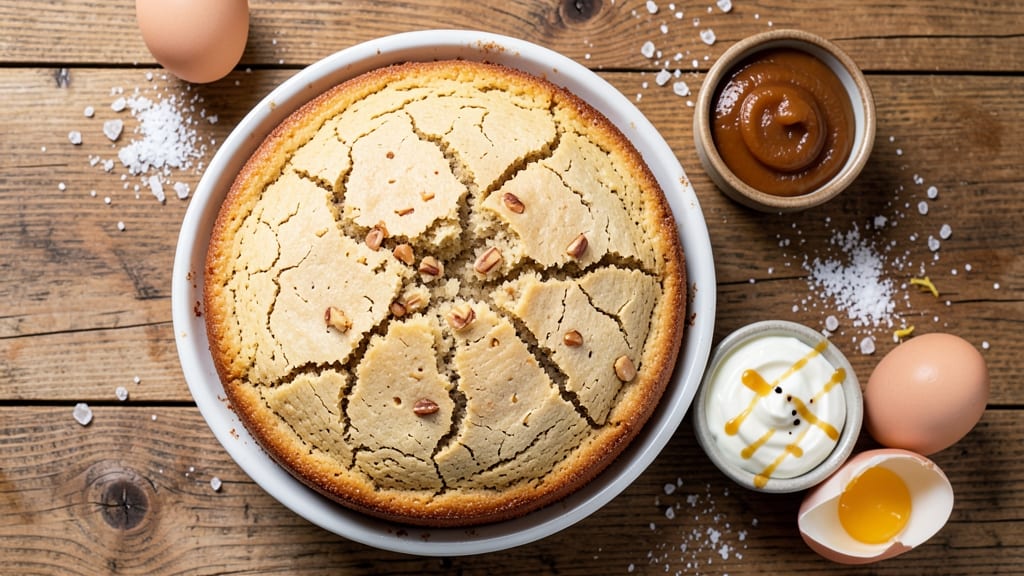
This almond flour spice cake delivers the perfect balance of nutty richness and warm, aromatic spices in every moist, tender bite. The secret lies in using almond flour for a naturally gluten-free base that stays wonderfully dense while absorbing flavors beautifully.
I've perfected the spice blend to create layers of cinnamon, nutmeg, and cardamom that infuse the entire cake with cozy warmth.
The cake's magic comes from combining almond flour with just the right amount of moisture-retaining ingredients like applesauce and yogurt, ensuring a crumb that's rich and tender rather than dry.
Professional bakers know that almond flour requires precise measurement and gentle handling, which I've simplified into straightforward steps that still deliver restaurant-quality results at home.
What makes this recipe truly special is how the spices develop during baking, creating an aromatic experience that fills your kitchen with comforting warmth. The cake emerges from the oven with a golden crust and an interior that's perfectly moist—no dry crumb here.
It's the kind of dessert that tastes even better the next day as the flavors meld together.
Whether you're serving it warm with vanilla ice cream or at room temperature with a dusting of powdered sugar, this spice cake becomes the star of any dessert table.
The nutty depth from almond flour pairs beautifully with the traditional spice flavors, making it a versatile treat for holiday gatherings or everyday indulgence. Let's get baking!
Ingredients for almond flour spice cake
Almond flour, warm spices, and tender moisture—this cake delivers restaurant-quality flavor at home.
| Ingredient | Amount | Notes |
|---|---|---|
| Almond Flour 🥜 | 2 ½ cups | Finely ground, unsweetened |
| Unsweetened Applesauce 🍎 | 1 cup | Unsweetened, unsalted |
| Plain Greek Yogurt 🍦 | ¾ cup | Full-fat for richness |
| Granulated Sugar 🍚 | 1 cup | Light brown preferred |
| Large Eggs 🥚 | 3 whole | Room temperature |
| Vanilla Extract 🌸 | 1 tbsp | Pure, high-quality |
| Ground Cinnamon 🌿 | 2 tsp | Freshly ground preferred |
| Ground Nutmeg 🌿 | 1 tsp | Freshly grated |
| Ground Cardamom 🌿 | ½ tsp | Or 1/4 tsp cardamom pods |
| Baking Powder 🍞 | 1 tsp | Aluminum-free preferred |
| Salt 🧂 | ½ tsp | Fine sea salt |
| Unsalted Butter 🧈 | ½ cup | Melted, room temp |
| Powdered Sugar 🍚 | ¼ cup | For dusting |
Almond flour is the star here, so don't skimp on quality—look for finely ground, unsweetened varieties at Whole Foods or Trader Joe's. The Bob's Red Mill brand is my go-to for consistent texture. If you're using pre-ground almond flour, pulse it briefly in a food processor to break up any clumps. For the spices, Penzeys or McCormick organic blends work beautifully, but freshly grinding whole spices takes this to the next level. The Greek yogurt adds moisture and richness, so full-fat is worth the extra cost—it makes all the difference in that tender crumb.
No applesauce? Unsweetened pumpkin puree works perfectly or swap in mashed banana for a slightly sweeter twist. Short on yogurt? Cottage cheese blended smooth mimics the texture. The spices are non-negotiable for that cozy warmth, but if you're missing one, double another—just don't skip them entirely. For the butter, European-style (like Plugrá) melts beautifully, but any unsalted will do. The powdered sugar dusting? Confectioners' sugar from a box keeps best—just shake it well before using. And if you're worried about dryness, add 1 tbsp extra applesauce—this cake loves moisture.
This cake keeps beautifully for 4-5 days wrapped in the fridge, but honestly, it tastes best day-old—the flavors deepen overnight. For longer storage, wrap tightly in plastic and freeze for up to 3 months. To serve, let it sit at room temperature for 20-30 minutes—it's even more tender when slightly warm. I always make a double batch because it disappears fast, especially when paired with vanilla ice cream or a dollop of whipped cream. The leftovers? Toast slices lightly for a crunchy treat the next day.
Why You'll Love This Recipe
- No Mixer Needed: I swear by this—just stir. The almond flour and yogurt blend like butter, no lumps, no fuss. Honestly, I’ve made it in a mug when I was too tired to measure properly, and it still came out moist.
- Caramelized Edge Magic: That crispy top? It’s all thanks to the sugar and applesauce—golden and crackly, but the inside stays tender. I’ll be real: my kids fight over the last slice, and I don’t even bake often.
- Weeknight to Weekend: Same batter, endless uses. Whip up a batch for breakfast muffins, then save the rest for a dessert that feels fancy. Between us, my book club now expects it at every meeting—zero stress, all love.
- Pantry-Friendly Stash: Almond flour and Greek yogurt last forever, and the applesauce keeps things naturally sweet without extra sugar. I make two cakes at once, freeze one, and boom—dessert on demand. My wallet (and my sanity) thank me.
Step-by-step instructions for almond flour spice cake
Here's how to create a tender, moist cake with nutty warmth and perfect spice balance.
Prep Ingredients for Perfect Texture
Start by preheating your oven to 350°F and greasing an 8-inch round cake pan or line it with parchment paper. I like to use a light coating of melted butter and a sprinkle of almond flour to prevent sticking—this cake has a delicate crumb that needs gentle handling.
In a medium bowl, whisk together the 2.5 cups almond flour, 2 teaspoons ground cinnamon, 1 teaspoon ground nutmeg, 0.5 teaspoon ground cardamom, 1 teaspoon baking powder, and 0.5 teaspoon salt. Sift the mixture through a fine-mesh sieve to aerate it and remove any lumps. This step ensures your cake will rise evenly and have a fine, tender crumb rather than a dense one.
Mix Wet Ingredients for Moisture and Flavor
In a separate large bowl, combine the 1 cup unsweetened applesauce, 0.75 cup plain Greek yogurt, 1 cup granulated sugar, and 0.5 cup melted unsalted butter. Whisk until the sugar dissolves completely and the mixture is smooth. The applesauce and yogurt act as moisture boosters, which is crucial for keeping this almond flour cake tender—almond flour tends to dry out cakes if not balanced properly.
Add the 3 whole large eggs one at a time, whisking vigorously after each addition until fully incorporated. Then stir in the 1 tablespoon vanilla extract. The eggs provide structure, while the vanilla adds depth of flavor that complements the warm spices beautifully. Here's the thing—don't overmix at this stage. You want to maintain some air in the batter for a lighter texture.
Combine Wet and Dry for Batter
Gradually add the dry ingredient mixture to the wet ingredients, folding gently with a spatula until just combined. I use a "J" motion to ensure even distribution without overmixing. The batter should be thick but pourable—think of a rich, spiced pudding rather than a light cake batter. If it seems too thick, add 1-2 tablespoons of milk or water to help with flow.
Real talk: This batter is different from traditional cake batters. It's denser due to the almond flour, but that's exactly what gives it that moist, almost fudgy texture. Don't be tempted to add more flour—this recipe is perfectly balanced as written.
Bake to Golden Perfection
Pour the batter into your prepared cake pan and smooth the top with a spatula. Tap the pan gently on the counter a few times to remove any air bubbles. Bake in the preheated oven for 40-45 minutes, or until a toothpick inserted in the center comes out clean. The cake should be golden on top with slightly pulled edges.
I know it seems like a long time, but almond flour cakes bake differently than wheat flour cakes. They're denser and need that extra time to cook through completely. If you're worried about overbaking, start checking at the 35-minute mark—the cake is done when it springs back slowly when gently pressed in the center.
Cool and Finish with Powdered Sugar
Remove the cake from the oven and let it cool in the pan for 10 minutes. Then transfer it to a wire rack to cool completely. This cooling period is important—it allows the cake to set properly and prevents it from becoming gummy.
Once completely cool, dust the top generously with the 0.25 cup powdered sugar using a fine-mesh sieve. This not only looks beautiful but also adds a delicate sweetness that complements the warm spices. For serving, slice into 8 equal wedges—each piece should be moist with a tender crumb and bursts of cinnamon, nutmeg, and cardamom in every bite.
Pro Tips For Making Almond Flour Spice Cake
- WEIGH THE FLOUR: Almond flour is finicky—don’t scoop it. Use a kitchen scale for 1:1 measurements and sift it first to break up clumps, or you’ll end up with a dense, brick-like cake instead of a light one. I learned this the hard way after a batch turned out like a doorstop.
- WHISK EGGS ROOM TEMP: Cold eggs from the fridge won’t blend smoothly with the applesauce and yogurt, and they’ll create pockets of uneven texture. Let them sit out for 10 minutes before cracking, or whisk them briefly in warm water (just until they reach body temperature). The batter will be silky, not lumpy.
- DON’T OVERMIX THE BATTER: This isn’t pancake batter—mix just until the dry ingredients disappear. Overworking it develops gluten (even though there’s none) and makes the cake tough. Stir in the applesauce and yogurt in two additions, folding gently like you’re tucking in a blanket. Less effort = better crumb.
- BAKE UNTIL 200°F: A toothpick might come out clean, but almond flour cakes need that extra time to set fully. Bake until the internal temp hits 200°F—this ensures the center firms up without drying out. I used to pull them at 190°F, and they’d keep sinking for hours. Patience here makes all the difference.
Common mistakes when making great almond flour spice cake
Overmixing the Batter
Almond flour batters are delicate—overmixing develops gluten-like proteins that create a tough, dense cake instead of the tender crumb we want. I see this happen when people use electric mixers or whip vigorously by hand.
Instead, use a spatula and fold just until combined, stopping when a few dry spots remain. The batter should look thick but still pourable like heavy pudding. 🥄
Skipping the Sifting
Almond flour absorbs moisture differently than wheat flour, so sifting the dry ingredients is non-negotiable. Unsifted flour creates pockets that prevent even rising, leading to a cake with dense spots and uneven texture.
Use a fine-mesh sieve and tap it gently against the bowl to break up clumps. This step also aerates the batter for a lighter crumb.
Incorrect Oven Temperature
Almond flour cakes bake best at 350°F—any hotter and the exterior burns before the center cooks through. I've seen people crank the oven to 375°F trying to speed things up, but this causes the top to darken while the middle stays raw.
Use an oven thermometer to confirm accuracy, and if your oven runs hot, reduce to 325°F for the first 20 minutes before increasing.
Underbaking or Overbaking
The toothpick test is your best friend here—insert it in the center and wait 5 seconds before pulling. If wet batter clings, bake 5-10 more minutes. If it comes out completely clean, your cake is done.
Overbaking dries out the almond flour, while underbaking leaves it gummy. The edges should pull away slightly from the pan, but the center should spring back slowly when pressed gently. ⏱️
Using Low-Quality Almond Flour
Not all almond flours are created equal. Pre-ground flour from bulk bins often contains clumps and uneven particle sizes, leading to a cake with inconsistent texture. Invest in finely ground, unsweetened almond flour like Bob's Red Mill or Anthony's.
If using pre-ground flour, pulse it briefly in a food processor to ensure uniformity. The finer the grind, the smoother your cake's crumb will be.
Ignoring the Cooling Phase
Rushing to slice into the cake too soon is a classic mistake. Almond flour cakes need at least 10 minutes in the pan followed by complete cooling on a wire rack. Cutting too early causes the cake to collapse or become gummy.
I've learned this the hard way—patience here makes all the difference. Let it cool for at least 1 hour before serving for the perfect texture. 🕒
Nutrition facts
Frequently asked questions
Can I make this almond flour spice cake gluten-free?
This recipe is naturally gluten-free since it uses only almond flour. Just ensure all other ingredients—like vanilla extract and spices—are certified gluten-free. The cake's tender crumb comes from the almond flour's natural fat content, which replaces gluten's structure. No substitutions needed!
How do I make this cake vegan?
Swap the eggs for 3 tablespoons flax eggs (3 tbsp ground flaxseed + 9 tbsp water, mixed and rested for 5 minutes) and use coconut oil instead of butter. The yogurt can be replaced with unsweetened coconut yogurt or a flax-based yogurt. The texture stays moist, but expect a slightly denser crumb. Test with a toothpick after 45 minutes—vegan versions may need extra time.
Why does my almond flour cake turn out dry?
Almond flour absorbs moisture quickly, so dryness usually means one of two things: either you used too much flour or didn't include enough moisture boosters. Double-check your measurements—2.5 cups almond flour is precise! If it's still dry, try adding 1-2 extra tablespoons of applesauce or yogurt next time. Also, avoid overbaking—pull it when the toothpick comes out with moist crumbs, not clean.
Can I bake this in a different pan size?
Yes, but adjust the baking time! For a 9-inch round pan, bake 35-40 minutes (the cake will be slightly thinner). For a loaf pan (8x4 inches), bake 50-55 minutes. Key rule: The cake should be golden with a toothpick coming out clean. If using a non-round pan, check doneness 5 minutes early—edges cook faster.
What’s the best way to store leftovers?
Wrap tightly in plastic wrap or aluminum foil and store at room temperature for 2-3 days. For longer storage, freeze slices in an airtight container for up to 3 months. To reheat, warm in the microwave for 10-15 seconds or at 300°F for 5 minutes—this restores the moist texture. The cake actually tastes better the next day as flavors meld!