
Desserts
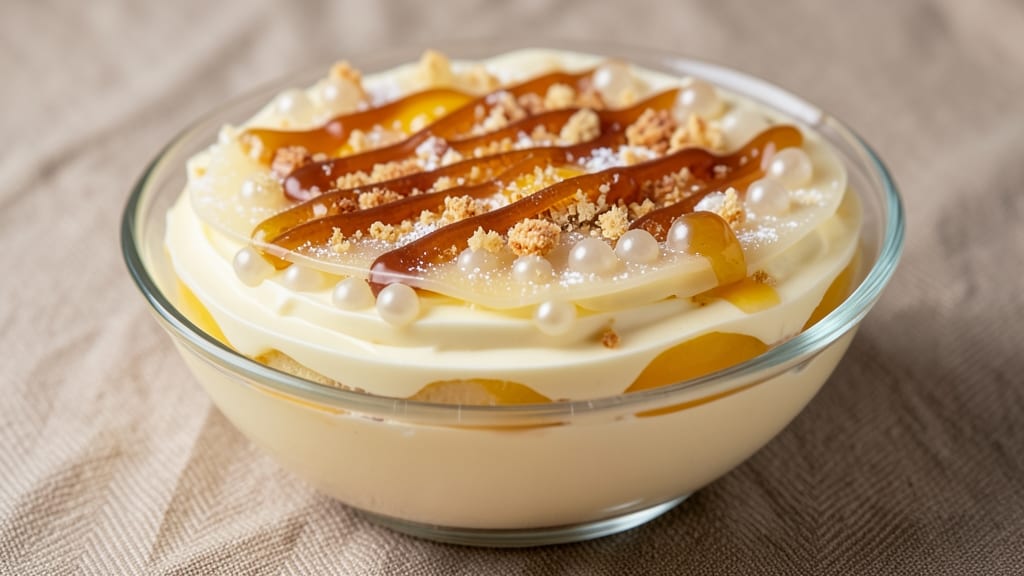
This Asian milk cake recipe delivers the signature silky texture and gentle sweetness that makes it a beloved dessert across Southeast Asia. Steamed to perfection, this coconut milk-based treat transforms simple ingredients into a dessert that's both comforting and elegant—ideal for special occasions or a treat after dinner.
The secret lies in the combination of coconut milk, agar-agar, and sago pearls, which create that signature creamy yet light consistency. Unlike baked desserts, this version relies on steaming to develop its delicate texture without drying out.
The recipe builds on traditional methods while offering flexibility for variations like pandan flavor or condensed milk swirls.
What you'll achieve is a dessert that's smooth, fragrant, and subtly sweet—each bite reveals that perfect balance between richness and lightness. The chilling process after steaming ensures the ideal texture, while the presentation makes it feel restaurant-quality at home.
Serve it chilled with a sprinkle of toasted coconut or fresh fruit for contrast. This recipe captures the essence of Asian milk cake while making it accessible for home cooks. Let's get started!
Ingredients for asian milk cake
Creamy coconut milk, delicate agar-agar, and fragrant sago pearls create this restaurant-style dessert.
| Ingredient | Amount | Notes |
|---|---|---|
| Coconut Milk 🥥 | 1 ½ cups | Full-fat canned for creaminess |
| Granulated Sugar 🍯 | ¾ cup | White or coconut sugar preferred |
| All-Purpose Flour 🌾 | ½ cup | Sifted for smooth batter |
| Agar-Agar Powder 🍃 | 1 ½ tsp | Ensures silky texture |
| Sago Pearls 🍯 | ½ cup | Rinsed before use |
| Egg Yolks 🥚 | 3 whole | Separated from whites |
| Vanilla Extract 🌿 | 1 tsp | Pure vanilla preferred |
| Salt 🧂 | ¼ tsp | Fine sea salt |
| Toasted Coconut Flakes 🥥 | ¼ cup | For garnish (optional) |
| Pandan Leaf 🌿 | 1 whole | Optional for flavor infusion |
| Water 💧 | ½ cup | For agar-agar activation |
The agar-agar powder is non-negotiable for that signature silky texture—Rumiko or Mazola brands are reliable choices. For the coconut milk, full-fat canned varieties yield the richest results; avoid light versions. Sago pearls should be rinsed thoroughly before adding to remove excess starch. Asian markets typically carry pre-soaked pearls, but if unavailable, soak them in warm water for 30 minutes. The pandan leaf, if used, should be lightly bruised to release its aroma without overpowering the delicate sweetness.
No agar-agar? Kanten flakes work as a substitute, but increase the amount to 2 teaspoons. Prefer a less sweet cake? Reduce sugar to 0.5 cup and compensate with extra coconut milk. For a condensed milk swirl, replace 0.5 cup of coconut milk with sweetened condensed milk. The vanilla extract can be swapped for pandan extract if you prefer that floral note. If your batter appears too thick, add 1 tablespoon of water at a time until it reaches a pourable consistency—this is critical for even steaming.
Once steamed, the cake must cool completely before chilling to prevent cracking. Store in an airtight container in the fridge for up to 5 days, though it’s best enjoyed within 3 days for peak texture. For a restaurant-style presentation, dust with powdered sugar and garnish with toasted coconut flakes. The chilled cake reheats beautifully—simply steam for 5-7 minutes to restore its silky mouthfeel.
Why You'll Love This Recipe
- No-Fuss Ingredients: I keep a can of coconut milk and a bag of sago pearls on hand just for this—no specialty shopping required. The agar-agar sets it like magic, so no jiggling or waiting for hours like some other desserts.
- Velvet Creaminess: That first bite—silky from the coconut milk, lightly sweetened, with sago pearls adding just the right chewy contrast. It’s the kind of dessert that disappears in minutes, and I’ve never met anyone who didn’t ask for seconds.
- Weeknight Magic: Make it for breakfast, dessert, or even a midnight snack—no one questions it. I’ve served it warm with a drizzle of caramel or chilled with ice cream, and it’s always a hit. (Yes, even when I forget to plan ahead.)
- Budget-Friendly Luxury: A single can of coconut milk and a small bag of agar-agar stretch to so many servings—way more than store-bought versions. Honestly, I’ve made this for potlucks, family gatherings, and lazy Sundays, and it’s always the crowd-pleaser no one saw coming.
Step-by-step instructions for Asian milk cake
Master this delicate dessert with precise technique and patience for restaurant-quality results.
Prepare the Sago Pearls and Pandan Infusion
Begin by rinsing the 0.5 cup sago pearls under cold water until the water runs clear—this removes excess starch that can make the texture gummy. Place them in a small saucepan with 0.5 cup water and bring to a gentle boil over medium heat. Reduce heat to low and simmer for 15 minutes, stirring occasionally, until the pearls are translucent and tender. Drain thoroughly and set aside.
For the pandan infusion, gently bruise the 1 whole pandan leaf with the side of a knife to release its aroma. Add it to the 1.5 cups coconut milk along with the 0.75 cup granulated sugar and 0.25 tsp salt. Heat the mixture over low heat until the sugar dissolves completely and the coconut milk reaches 160°F—this ensures a smooth, flavorful base. Remove from heat and discard the pandan leaf. The mixture should smell fragrant and sweet, with no graininess remaining.
Activate the Agar-Agar and Combine Ingredients
In a separate bowl, whisk together the 0.5 cup all-purpose flour and 1.5 tsp agar-agar powder to prevent clumping. Gradually pour the warm coconut milk mixture into the flour while whisking vigorously to avoid lumps. Return the mixture to low heat and cook, stirring constantly, until it thickens to a pudding-like consistency—this should take about 5-7 minutes. The texture should coat the back of a spoon smoothly.
Remove from heat and let cool slightly to 110°F. In a separate bowl, whisk the 3 whole egg yolks until pale and slightly thickened. Slowly pour the warm coconut mixture into the yolks while whisking continuously to create a silky batter. Stir in the 1 tsp vanilla extract and the drained sago pearls. The batter should be smooth with no visible flour streaks—this ensures a velvety texture. If the mixture feels too thick, add 1-2 tablespoons of hot coconut milk to adjust consistency.
Steam the Cake to Perfection
Prepare a steamer by lining the bottom with a clean kitchen towel and filling the base with 1 inch of boiling water. Bring the water to a full boil, then reduce to a gentle simmer. Grease a 4-inch round cake pan with neutral oil or line it with parchment paper for easy removal. Pour the batter into the prepared pan and smooth the top with a spatula. Cover the pan tightly with aluminum foil to prevent water from dripping onto the cake.
Place the pan in the steamer and steam over medium heat for 25-30 minutes. The cake is done when the edges pull away from the pan slightly and a toothpick inserted into the center comes out clean. Avoid oversteaming—this can make the cake dense. Once done, remove from the steamer and let the cake cool in the pan for 10 minutes before unmolding. The texture should be jiggly yet firm, with a delicate golden hue.
Garnish and Serve
To finish, sprinkle the top evenly with 0.25 cup toasted coconut flakes for added texture and aroma. Let the cake cool completely at room temperature before slicing—this allows the agar-agar to set fully, ensuring clean cuts. Serve chilled or at room temperature, accompanied by a dusting of powdered sugar or a drizzle of coconut syrup for extra indulgence. Each slice should reveal a silky, translucent interior with tender sago pearls and a subtle pandan aroma.
Pro Tips For Making Asian Milk Cake
- Bloom the Agar First: Mix the agar-agar powder with cold water (about 1:10 ratio) and let it sit for 5 minutes before adding it to the hot coconut milk—this prevents clumping like I used to get when tossing it straight into the pot. The texture will be silky, not grainy, and the cake won’t turn rubbery later.
- Strain Your Coconut Milk: If your coconut milk is thick or has pulp, strain it through a fine-mesh sieve before using—especially if you’re not using canned premium brands. I learned this after my first batch tasted gritty; now the texture is smooth, like dessert should be.
- Don’t Overmix the Batter: Stir the flour and sugar into the coconut milk just until combined—lumps are fine, but overmixing develops gluten and turns your creamy cake into a dense, chewy mess. Think "marble swirls," not pancake batter.
- Pre-Cook the Sago Pearls: Boil the sago pearls in water for 10 minutes before adding them to the cake mixture—they’ll absorb less coconut milk and stay plump, not mushy. (Yes, it’s an extra step, but your bite will thank you.)
Regional styles of this dish
Singaporean Style
In Singapore, this dessert is often called sago milk cake and is a staple in hawker centers and bakeries. The Singaporean version typically includes extra coconut milk for a richer texture and sometimes a touch of condensed milk swirled into the batter.
I love adding pandan extract instead of fresh leaves for consistency—just ½ teaspoon enhances that signature floral aroma. Serve it with a side of iced Milo for a nostalgic treat that balances the dessert’s sweetness perfectly. 🌟
Malaysian Pandan Twist
Malaysian households often infuse the coconut milk with pandan leaves for a more pronounced floral note. For an authentic touch, bruise the leaf and let it steep for 10 minutes in the warm coconut milk before straining.
The Malaysians also prefer a slightly firmer texture, so they reduce the agar-agar by ¼ teaspoon and steam the cake for 30-35 minutes. Garnish with toasted coconut flakes and a sprinkle of grated pandan leaf for a restaurant-quality finish. ✨
Thai Coconut Variations
In Thailand, this dessert is lighter and often includes tapioca pearls alongside sago for added chewiness. Replace ¼ cup of sago pearls with tapioca pearls and soak them for 20 minutes before cooking.
Thai versions also incorporate a pinch of salted egg yolk into the batter for a subtle savory contrast. Serve it chilled with a drizzle of palm sugar syrup to complement the coconut’s natural sweetness. 🥥
Filipino Ube Fusion
Filipinos love adding ube (purple yam) halaya to their milk cake for a vibrant purple hue and earthy sweetness. Mix 2 tablespoons of ube halaya into the batter after combining the coconut milk and sugar.
The ube adds a caramel-like depth that pairs beautifully with the coconut. Top with toasted coconut flakes and a dusting of powdered sugar for a visually stunning dessert that’s as delicious as it looks. 💫
Modern Twists
For a contemporary take, try adding matcha powder (1 teaspoon) to the coconut milk mixture for a green tea-infused version. Or swap ½ cup of coconut milk with coconut cream for a thicker, more decadent texture.
I also love incorporating chocolate chips or crushed macadamia nuts into the batter for added crunch and richness. These modern twists keep the classic texture while introducing exciting new flavors. 💛
Nutrition facts
Frequently asked questions
Why does my Asian milk cake turn out too dense?
Oversteaming is the most common cause—steam for exactly 25-30 minutes and check with a toothpick. Another issue is under-whisking the egg yolks or flour mixture, which creates lumps that disrupt the silky texture. Always whisk until smooth and avoid overmixing after adding the yolks.
Can I make this without a steamer?
Yes! Use a metal colander or heatproof bowl placed over a pot of simmering water. Line the bottom with parchment paper to prevent sticking. The key is maintaining gentle steam—keep the water at a low simmer and cover the cake with foil to trap moisture.
What's the difference between sago milk cake and regular milk cake?
Sago milk cake includes sago pearls for chewy texture, while traditional milk cake relies solely on coconut milk and agar-agar for its signature jelly-like consistency. The sago version has subtle bite from the pearls, making it more complex. Both use steaming, but sago milk cake often has a pandan leaf infusion for floral aroma.
How do I store leftovers?
Keep in an airtight container in the fridge for up to 5 days. For best texture, consume within 3 days—the agar-agar starts breaking down after that. To reheat, steam for 5-7 minutes to restore its silky mouthfeel. Never freeze—it alters the delicate texture.
Can I substitute agar-agar with gelatin?
Not recommended! Gelatin requires refrigeration to set and creates a firmer, less delicate texture. Agar-agar works at room temperature and gives that signature wobbling yet firm consistency. If you must substitute, use kanten flakes (increase to 2 teaspoons) and follow the same steaming method.