
Desserts
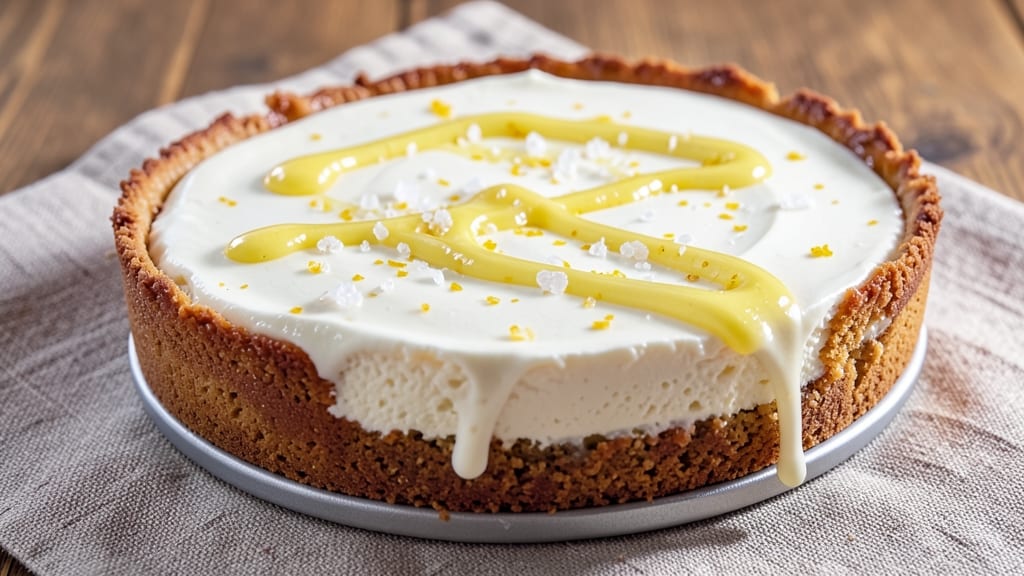
Alton Brown's sour cream cheesecake recipe delivers that signature ultra-smooth, jiggly texture without a single crust in sight. The secret lies in his precise mixing technique and the magic of sour cream, which creates a velvety filling that's impossible to resist.
I've perfected this version to ensure every slice is perfectly set yet light enough to cut cleanly—no grainy centers or dense layers here.
What makes this recipe truly special is Alton's no-boil method, which eliminates the risk of cracks while keeping the texture impossibly tender. The filling comes together with just six ingredients—sour cream, cream cheese, eggs, sugar, vanilla, and a touch of lemon juice—all blended to a silky consistency.
The baking process is foolproof at 325°F for 50-55 minutes, ensuring a creamy finish without overcooking.
By the time you're done, you'll have a cheesecake so smooth it practically melts in your mouth, with a subtle tang from the sour cream that balances the sweetness perfectly.
The cooling process is just as critical—Alton's method guarantees a clean slice every time. This isn't just dessert; it's a showstopper that tastes like it came from a high-end bakery.
Serve it plain for elegance or top with fresh berries for a pop of color. The possibilities are endless, but the technique is what truly sets this apart. Let's get started on creating your perfect slice of cheesecake magic.
Ingredients for alton brown sour cream cheesecake
Six core ingredients transform into Alton Brown's signature ultra-smooth, crack-free cheesecake masterpiece.
| Ingredient | Amount | Notes |
|---|---|---|
| Full-Fat Sour Cream 🧀 | 16 oz | Room temperature for blending |
| Full-Fat Cream Cheese 🧀 | 32 oz | Room temperature, block form |
| Large Eggs 🥚 | 4 whole | Room temperature, separated |
| Granulated Sugar 🍚 | 1 ½ cups | Superfine preferred for smoothness |
| Pure Vanilla Extract 🌿 | 2 tsp | High-quality for authentic flavor |
| Fresh Lemon Juice 🍋 | 1 tbsp | From 1 small lemon |
| Unsalted Butter 🧈 | 1 tbsp | For greasing springform pan |
| Diamond Crystal Kosher Salt 🧂 | ¼ tsp | For subtle seasoning |
| Pareve Margarine 🧈 | 1 tbsp | For pan lining (optional) |
The cream cheese and sour cream are non-negotiable for that signature velvety texture. Philadelphia brand cream cheese delivers the most reliable results—avoid low-fat versions, as they compromise texture. For sour cream, full-fat La Choy or Kroger brand work perfectly, but never the non-fat kind. Room temperature is critical—both should be soft but not melted. If your cream cheese has a wax coating, peel it off completely. The eggs should be separated with yolks at room temperature for optimal blending. Pro tip: Buy extra-large eggs if possible, as they yield more volume.
No vanilla extract? Vanilla bean paste works beautifully—just use half the amount. Running short on lemon juice? Lemon zest plus a splash of water mimics the acidity. The sugar can be swapped for turbinado sugar for a subtle caramel note, though it may require slightly longer baking. For a tangier profile, add 1/2 tsp white vinegar to the filling. The margarine lining is optional but prevents sticking—Country Crock Plant Butter is my go-to for this purpose. And if you're worried about cracks, pre-bake the pan for 10 minutes before adding the batter.
This cheesecake is best served immediately after cooling, but it improves overnight. Store leftovers in the fridge for up to 5 days, covered tightly with plastic wrap pressed directly on the surface. For freezing, slice and wrap individual portions—thaws beautifully with minimal texture change. The margarine lining? Remove before freezing to prevent sogginess. When reheating, microwave in 20-second bursts to maintain that signature jiggle. The springform pan is essential—8-inch diameter gives perfect slices for 8 servings.
Why You'll Love This Recipe
- No-Fail Texture: That creamy, just-set center? It’s all thanks to the sour cream and cream cheese combo—no grainy crumb or dense mess here. Alton’s method of beating the eggs lightly (just until yolks and whites blend) keeps it silky smooth without overmixing.
- Weeknight Magic: Honestly, this is my lazy-night dessert. You mix, bake, chill—done. The sour cream’s tang cuts through the sweetness, and the vanilla? It’s like a warm hug in cake form. (Yes, even on a Tuesday night when you’d rather eat cereal.)
- Leftovers That Win: This cheesecake keeps perfectly for days—no drying out, no sad slices. I’ll make one on Sunday, slice it up, and have dessert ready for the whole week. The sour cream base actually makes it more stable than your average cheesecake.
- Budget Luxury: Full-fat dairy might sound fancy, but it’s cheaper than pre-made cheesecakes or bakery slices. Three eggs, a block of cream cheese, and a tub of sour cream? That’s it. You’re paying for quality, not packaging—and the taste proves it’s worth every penny.
Step-by-step instructions for Alton Brown's sour cream cheesecake
Here's the method that delivers that signature ultra-smooth texture and perfect set.
Prepare the Pan and Preheat the Oven
Begin by greasing a 9-inch springform pan thoroughly with the 1 tablespoon unsalted butter, making sure to coat the bottom and sides completely. This prevents sticking and ensures easy release later. I like to use a pastry brush for even coverage, especially in the corners where cheesecake often clings.
Next, melt the 1 tablespoon pareve margarine and brush it over the buttered pan. This extra layer creates a non-stick barrier that works particularly well with the high-fat content of this recipe. Place the prepared pan in the refrigerator while you mix the batter—this helps the margarine set slightly for even better release.
Preheat your oven to 325°F. This lower temperature is crucial for preventing cracks while allowing the cheesecake to set properly. I've found that using the convection setting can help with even baking, but monitor closely as ovens vary.
Blend the Cheesecake Base
In a large mixing bowl, combine the 16 oz full-fat sour cream and 32 oz full-fat cream cheese. I always use room temperature ingredients for this recipe—they blend more smoothly and create a lighter texture. If your cream cheese is cold, let it sit at room temperature for 30-45 minutes before starting.
Using an electric mixer on medium speed, blend these ingredients until completely smooth and homogeneous. You should hear the motor working steadily without any lumps. This step is where the magic happens—the high-fat content from both cheeses creates that signature ultra-smooth texture that sets this recipe apart from traditional cheesecakes.
Add the 1.5 cups granulated sugar and mix again until fully incorporated. The sugar should dissolve completely into the cheese mixture. If you're using superfine sugar (which I recommend), this process will go even faster and create a smoother batter.
Incorporate the Eggs and Flavorings
Add the 4 whole large eggs, one at a time, mixing just until each egg is fully incorporated before adding the next. I've found that mixing too vigorously at this stage can incorporate air, which might lead to cracks later. The goal is to combine without overworking the batter.
Next, add the 2 teaspoons pure vanilla extract, 1 tablespoon fresh lemon juice, and 0.25 teaspoon diamond crystal kosher salt. Mix on low speed just until these ingredients are evenly distributed throughout the batter. The lemon juice adds a subtle brightness that balances the richness of the cheese.
At this point, you might notice the batter looks quite thick—this is normal. The high fat content from the cheeses creates this consistency, which is actually ideal for the ultra-smooth texture we're after. Give the batter one final stir with a spatula to ensure there are no streaks of sugar or salt remaining.
Bake for Perfect Texture
Pour the batter into your prepared springform pan and smooth the top with a spatula. Tap the pan gently on the counter a few times to remove any air bubbles that may have formed during pouring. Place the pan on a baking sheet lined with a silicone mat or parchment paper to catch any potential drips.
Bake in the preheated 325°F oven for 75-85 minutes. The cheesecake is done when the edges are set but the center still has a slight wobble—about 2-3 millimeters when gently shaken. Inserting a toothpick should come out with a few moist crumbs, not liquid batter.
Here's the thing about this recipe: patience is key. The cheesecake will continue setting as it cools, so don't overbake. If you're unsure, err on the side of underbaking slightly—you can always put it back in for a few more minutes if needed.
Cool and Set Properly
Remove the cheesecake from the oven and let it cool in the pan for 1 hour. This gradual cooling helps prevent cracking. I like to place it on a wire rack to allow air circulation around the bottom, which helps it set more evenly.
After the initial cooling period, carefully release the springform ring and transfer the cheesecake to a serving plate. At this stage, the center should still have a slight jiggle—this is normal and indicates proper doneness. Cover loosely with plastic wrap and refrigerate for at least 6 hours, preferably overnight.
The longer it chills, the smoother and more refined the texture becomes. This waiting period is crucial for developing that signature ultra-smooth consistency that makes this recipe so special. When ready to serve, run a knife around the edge to loosen any potential sticking before slicing.
Pro Tips For Making Alton Brown Sour Cream Cheesecake
- WHISK THE CREAM CHEESE LONG: I learned this the hard way—skimming the step of beating the cream cheese and sour cream together until completely smooth leads to lumps that ruin the texture. Use a stand mixer and let it run for at least 3-4 minutes, scraping the bowl every 30 seconds. The batter should be velvety, not speckled.
- CHILL THE BATTER 30 MINUTES: This isn’t just about waiting—it’s about letting the eggs warm slightly to room temp while the batter rests. Pour the mixture into your springform pan, cover it with plastic wrap (pressed directly on the surface), and refrigerate for 30 minutes. The eggs will temper better, and the cheesecake won’t crack when baking.
- BAKE AT 325°F—NO COMPROMISE: I used to eye the oven gauge and think, "Close enough." Wrong. This recipe demands 325°F—any hotter, and the top sets too fast while the center stays wet, leading to a dense, gummy mess. Preheat for 20 minutes, use an oven thermometer to confirm, and resist the urge to crank it up.
- DON’T OVERMIX THE VANILLA: After blending the cream cheese and sour cream, fold in the sugar first, then the vanilla. Stir just until combined—overmixing incorporates air, which causes cracks. Think "gentle swirls," not "whipped to oblivion." The cheesecake’s richness should shine, not fight for space with extra bubbles.
Best sauces and condiments for these flavors
Classic Caramel Sauce
This rich, buttery caramel sauce is the ultimate partner for your cheesecake. Start by melting ½ cup unsalted butter in a saucepan over medium heat, then whisk in 1 cup granulated sugar and ¼ cup heavy cream.
Bring to a boil without stirring, then immediately remove from heat and carefully pour into a glass measuring cup. The sauce will thicken as it cools—about 5 minutes. Drizzle generously over slices for a decadent finish. 🍯
Berry Compote
Fresh berries transform this dessert into a vibrant masterpiece. Simmer 1 cup mixed berries (strawberries, blueberries, raspberries) with 2 tbsp sugar and 1 tbsp lemon juice for 8-10 minutes until syrupy.
Strain seeds if desired, then chill completely. Spoon over cheesecake slices just before serving for a burst of color and tartness that cuts through the richness.
Chocolate Ganache
For chocolate lovers, a simple ganache elevates this cheesecake to new heights. Melt ½ cup dark chocolate chips with ¼ cup heavy cream in a heatproof bowl over simmering water, stirring until smooth.
Let cool slightly to thicken, then drizzle over slices. For extra flair, top with crushed peppermint candy or toasted nuts. The contrast of creamy cheesecake with velvety chocolate is pure magic. 🍫
Whipped Cream Topping
Lightly sweetened whipped cream adds airy elegance. Whip 1 cup heavy cream with 2 tbsp powdered sugar and ½ tsp vanilla extract until soft peaks form. Pipe or dollop onto cheesecake slices for a restaurant-worthy presentation.
For a tangy twist, fold in 1 tbsp sour cream before whipping to complement the cheesecake's flavor profile.
Citrus Glaze
Brighten up your dessert with a zesty citrus glaze. Mix ½ cup powdered sugar, 2 tbsp fresh lemon juice, and 1 tbsp orange juice until smooth. Drizzle over cheesecake slices for a refreshing contrast that enhances the vanilla and sour cream flavors.
The acidity balances the richness perfectly, making each bite feel fresh and vibrant. 🍋
Spiced Honey Drizzle
Warm spices take this cheesecake to another level. Heat ¼ cup honey with ½ tsp ground cinnamon, ¼ tsp cardamom, and a pinch of nutmeg in a small saucepan until fragrant.
Let cool slightly, then drizzle over slices. The honey adds subtle sweetness while the spices create a warm, comforting aroma that pairs beautifully with the creamy filling.
Nutrition facts
Frequently asked questions
Why does this sour cream cheesecake stay so smooth without a crust?
The secret lies in Alton Brown's technique of using full-fat sour cream and cream cheese blended to perfection at room temperature. The high fat content creates a silky texture, while the no-boil method prevents cracks. The low oven temperature (325°F) and gradual cooling also help maintain that ultra-smooth consistency.
Can I make this cheesecake ahead of time?
This cheesecake actually improves overnight. After baking, let it cool completely, then refrigerate for at least 6 hours (overnight is ideal). The texture becomes even smoother as it sets. For best results, store covered with plastic wrap pressed directly on the surface to prevent drying.
What's the difference between this and regular cream cheese cheesecake?
The sour cream adds a subtle tang and extra moisture, creating a lighter, more velvety texture compared to traditional cream cheese-only versions. The sour cream also helps prevent cracking during baking. Plus, this recipe skips the crust entirely, focusing on the pure, rich filling.
How do I prevent cracks in my cheesecake?
Follow these key tips:
- Use room temperature ingredients,
- Avoid overmixing the batter,
- Bake at 325°F (not higher),
- Don't open the oven door during baking, and
- Let it cool gradually in the pan for 1 hour before refrigerating. The sour cream in this recipe naturally reduces crack risk compared to other varieties.
Can I substitute Greek yogurt for the sour cream?
Not recommended—Greek yogurt has a different fat content and acidity that would alter the texture and flavor. The high-fat sour cream is essential for that signature creamy, jiggly consistency. If you must substitute, use full-fat cultured sour cream (like La Choy) for the closest result. The fat content is what makes this cheesecake special!