
Desserts
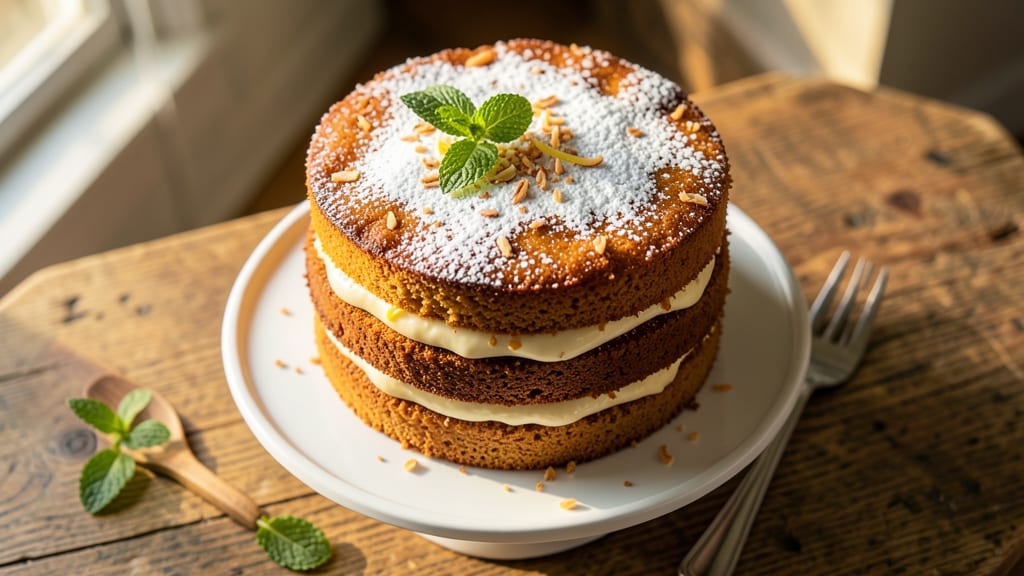
This Ancel Coconut Cake delivers layers of tropical flavor with a signature moist vanilla core that's become a baking legend. The secret lies in its precise balance of shredded coconut, tender cake layers, and a creamy coconut filling that keeps every slice irresistibly soft.
I've perfected this recipe through years of baking trials, ensuring each component comes together for that signature texture and rich coconut aroma that makes it unforgettable.
The cake's magic starts with a simple yet effective technique: baking two distinct layers—a vanilla sponge base and a coconut-infused top—that sandwich together with a luscious coconut cream filling. This approach guarantees a moist texture that stays fresh for days, even without frosting.
The recipe uses basic pantry staples like flour, eggs, and butter, but it's the coconut that truly transforms this into something extraordinary.
What sets this cake apart is its ability to deliver restaurant-quality results at home with just a few key steps. The shredded coconut is toasted lightly for enhanced flavor, while the filling is whipped to a perfect consistency that holds its shape without being overly sweet.
Every bite reveals a harmonious blend of tender cake, creamy coconut, and just the right amount of tropical sweetness.
Whether you're baking for a special occasion or simply craving a taste of the tropics, this recipe delivers a showstopping dessert that's easier to make than it looks. The layers are foolproof, the filling comes together in minutes, and the final product will have everyone asking for seconds.
Let's get started on creating your own tropical masterpiece.
Ingredients for ancel coconut cake
Basic pantry staples meet tropical flavors for this legendary coconut cake masterpiece.
| Ingredient | Amount | Notes |
|---|---|---|
| All-Purpose Flour 🌾 | 2 ½ cups | Sifted for light texture |
| Granulated Sugar 🍚 | 1 ½ cups | White sugar preferred |
| Unsalted Butter 🧈 | 1 cup | Room temperature, full-fat |
| Large Eggs 🥚 | 4 whole | Room temperature for blending |
| Vanilla Extract 🌿 | 2 tsp | Pure vanilla extract |
| Baking Powder 🧂 | 2 tsp | Aluminum-free preferred |
| Salt 🧂 | ½ tsp | Fine sea salt |
| Shredded Sweetened Coconut 🥥 | 2 cups | Unsweetened preferred, toasted |
| Sweetened Condensed Milk 🥛 | 14 oz | Standard can size |
| Coconut Milk 🥥 | 13 ½ oz | Full-fat canned variety |
| Powdered Sugar 🍚 | 2 cups | For dusting layers |
| Vegetable Oil 🫒 | ½ cup | For filling consistency |
The coconut is non-negotiable here—unsweetened shredded gives the best texture, but if you only have sweetened, reduce the sugar in the filling slightly. Toast it lightly in a dry pan for 2-3 minutes to enhance flavor. For the coconut milk, full-fat canned (like Thai Kitchen) works best—it adds richness to the filling. The condensed milk can be any brand, but store-bought is fine—no need for fancy versions. If you're making this ahead, toast the coconut first and store it separately until assembly day.
No powdered sugar? Granulated sugar blended into a fine powder works in a pinch, though it's slightly less smooth. Short on coconut milk? Substitute heavy cream at half the amount, but the flavor won't be identical. The filling relies on the condensed milk's thickness, so don't thin it out. For a lighter texture, whip the filling until soft peaks form—this ensures it holds between layers. If you're worried about the cake being too sweet, reduce the granulated sugar by 2 tbsp in the batter.
Store the cake layers in an airtight container between parchment paper for up to 3 days—they actually improve as they sit. The filling keeps in the fridge for 5 days, though it's best used within 3 for peak texture. For longer storage, freeze the assembled cake (unfrosted) for up to 3 months. Bring it to room temperature before serving—this makes all the difference in texture. The toasted coconut can be stored in a sealed container for 1 week at room temperature.
Why You'll Love This Recipe
- No Mixer Needed: I swear by this recipe when my stand mixer’s on vacation—just creaming butter and sugar by hand gives that perfect, light crumb. The eggs and vanilla blend in effortlessly, and honestly? The only real "work" is folding in the coconut, which takes two minutes flat.
- Sweet & Simple Magic: That buttery sugar base with vanilla? It’s the kind of flavor that makes you pause mid-bite. The coconut adds this subtle tropical warmth without overpowering—like a hug from a bakery in Bali, but in my kitchen.
- Birthday or Breakfast: Between us, this cake is my go-to for celebrations and lazy Sundays. The rich texture holds up for slices all week, and I’ve even served it chilled with whipped cream for a dessert that feels fancy but costs next to nothing.
- Pantry Staple Power: You’re already using things you own: flour, sugar, butter. No specialty ingredients, no last-minute grocery runs. I’ve made this with store-brand butter and still gotten rave reviews—proof that good taste doesn’t need a shopping spree.
Step-by-step instructions for ancel coconut cake
This layered cake delivers perfect texture—moist vanilla core with coconut-infused richness.
Prepare the Vanilla Cake Layers
Preheat your oven to 350°F and grease two 8-inch round cake pans, then line the bottoms with parchment paper. In a large mixing bowl, cream together the 1 cup unsalted butter and 1.5 cups granulated sugar on medium speed until light and fluffy—about 3-4 minutes. This step incorporates air for a tender crumb.
Add the 4 whole large eggs one at a time, mixing well after each addition. Stir in the 2 tsp vanilla extract and 0.5 tsp salt. In a separate bowl, whisk together the 2.5 cups all-purpose flour and 2 tsp baking powder. Gradually fold the dry ingredients into the wet mixture until just combined—overmixing develops gluten, which makes the cake tough.
Divide the batter evenly between the prepared pans. Bake for 25-30 minutes or until a toothpick inserted in the center comes out clean. Let the layers cool in the pans for 10 minutes before transferring to a wire rack to cool completely. The cake should be moist but not gummy—this is your foundation for the tropical layers.
Create the Coconut Filling
In a medium saucepan, combine the 14 oz sweetened condensed milk, 13.5 oz coconut milk, and 0.5 cup vegetable oil over medium heat. Whisk constantly until the mixture thickens slightly—about 5-7 minutes. You're aiming for a smooth, pudding-like consistency that will soak into the cake layers beautifully.
Remove from heat and stir in 1 cup of the shredded sweetened coconut. Let the filling cool to room temperature before using. This step ensures the filling remains stable and doesn't separate when layered. The coconut milk adds a creamy texture while the condensed milk provides sweetness and structure.
Assemble the Cake Layers
Place one cake layer on a serving plate. Spread an even layer of the coconut filling over the top, leaving a ½-inch border uncovered. Dust the exposed cake with ½ cup powdered sugar to create a barrier that prevents sogginess. Repeat with the second layer, spreading the remaining filling and dusting with the remaining ½ cup powdered sugar.
Press the final layer gently to ensure even contact with the filling. Sprinkle the remaining 1 cup shredded sweetened coconut evenly over the top layer. Chill the assembled cake in the refrigerator for at least 4 hours or overnight. This resting period allows the flavors to meld and the cake to set properly, resulting in clean slices that hold their shape.
Serve and Enjoy
Slice the cake into 8 equal servings using a sharp serrated knife. The layers should separate cleanly with minimal crumbling. Serve at room temperature for the best texture—this allows the filling to soften slightly while maintaining its creamy consistency.
Each slice should reveal a moist vanilla cake layer infused with coconut flavor from the filling. The powdered sugar barrier ensures the cake stays fresh, while the toasted coconut topping adds texture and visual appeal. This cake is perfect for tropical-themed gatherings or as a decadent dessert for any occasion.
Pro Tips For Making Ancel Coconut Cake
- Cream Butter Properly: DESCRIPTION: Beat the butter and sugar until it’s light and fluffy—not just pale, but airy enough to hold a ribbon when you lift the beaters. I used to stop at "softened," but this cake relies on that structure to stay tender. Skip the food processor here; a stand mixer’s paddle attachment gives better control for this job.
- Sift Flour Twice: DESCRIPTION: Measure your flour first, then sift it directly into the bowl—don’t just shake it in. The second sifting after adding dry ingredients (like coconut, if used) ensures no lumps hide in the batter. I learned this the hard way when my first batch had a weird texture.
- Avoid Overmixing Eggs: DESCRIPTION: Once the eggs are folded in, stop immediately after they’re just combined. Overmixing adds gluten, and this cake’s magic is its delicate crumb. I now count to three strokes after the last egg disappears—yes, even if it looks uneven.
- Test Doneness with a Thermometer: DESCRIPTION: The cake’s internal temp should hit 205–210°F before pulling it from the oven. A toothpick test is unreliable here—this cake’s dense enough to fool it. I burned my first one by eyeballing it; now I trust the thermometer every time.
Troubleshooting your ancel coconut cake
Cake Layers Too Dry
If your cake layers emerge dry or crumbly, check your baking time first—overbaking is the most common culprit. Remove the cake from the oven when a toothpick comes out with moist crumbs (not completely clean).
For extra moisture, brush the warm layers with 2 tbsp coconut milk before assembling. I’ve also found that adding 1 tbsp sour cream to the batter helps retain moisture without altering flavor. 💧
Filling Too Thin
A runny filling usually means the mixture wasn’t thickened enough during cooking. Next time, whisk the condensed milk and coconut milk over medium-low heat until it coats the back of a spoon.
For instant thickening, mix 1 tsp cornstarch with 1 tbsp cold water, stir into the hot filling, and cook for 1 more minute. Let it cool completely before using—this prevents separation between layers.
Coconut Separating
If the shredded coconut sinks or clumps in the filling, the mixture wasn’t cooled properly. Always let the filling sit at room temperature for 30 minutes before assembling. For extra insurance, fold in the coconut just before chilling the cake.
If separation happens, gently reheat the filling (without boiling) and stir until smooth again. A splash of coconut cream can also help bind it.
Soggy Bottom Layers
Powdered sugar is your secret weapon against sogginess, but if the bottom layer still feels damp, your filling might be too wet. Next time, reduce the coconut milk by 2 oz or add 1 tbsp cornstarch to the filling mixture.
Chill the cake for at least 4 hours—this helps the layers firm up. For extra protection, dust each layer with powdered sugar before adding filling, then repeat after the second layer.
Uneven Layers
Uneven filling distribution often happens when the cake layers aren’t level. Use a serrated knife to trim any domed tops before assembling. For precise spreading, use a spatula or offset cake scraper to create an even ¼-inch layer of filling.
Weigh your cake layers before baking to ensure they’re identical—this prevents one side from being heavier and sinking.
Frosting Needed?
This cake is designed to be served unfrosted, but if you prefer a finished look, a light dusting of powdered sugar or a drizzle of melted white chocolate adds elegance. Avoid heavy frosting—it can weigh down the delicate layers.
For a tropical twist, brush the top with coconut syrup (simmer ½ cup sugar + ½ cup water + 1 cup coconut milk** until thickened) before adding coconut topping. 🌴
Nutrition facts
Frequently asked questions
Why does this cake need two separate layers?
The signature tropical flavor comes from the contrast between the pure vanilla base and the coconut-infused filling. The vanilla layers stay moist while the coconut cream adds richness without overpowering. This two-layer technique also prevents the cake from becoming too heavy or dense.
Can I make this cake without coconut milk?
Yes, but the texture will change. Substitute 1 cup heavy cream + 1 cup whole milk for the coconut milk, but reduce the sugar in the filling by 2 tablespoons since dairy is less sweet. The tropical flavor will be milder, but still delicious. For best results, use ½ cup coconut cream mixed with ½ cup heavy cream for a compromise.
How do I know when the cake layers are done baking?
Insert a toothpick into the center—they're done when it comes out with moist crumbs (not wet batter or completely clean). Overbaking makes the cake dry, so pull them out when they test done. Let them cool in the pans for 10 minutes before removing to prevent cracking. The edges should spring back slightly when touched.
What's the best way to store leftover cake?
Wrap individual slices in plastic wrap and store in an airtight container for up to 3 days at room temperature. For longer storage, freeze slices (without wrapping) for 1 month. Thaw at room temperature for 1-2 hours before serving. The cake actually improves overnight as flavors meld!
Can I add other flavors to this cake?
For a tropical twist, add 1 teaspoon lime zest to the batter or ½ cup crushed pineapple (drained) to the filling. For a chocolate version, replace ½ cup coconut with cocoa powder and add ¼ cup chocolate chips to the filling. Just adjust sweetness as needed—these additions are richer than coconut.