
Desserts
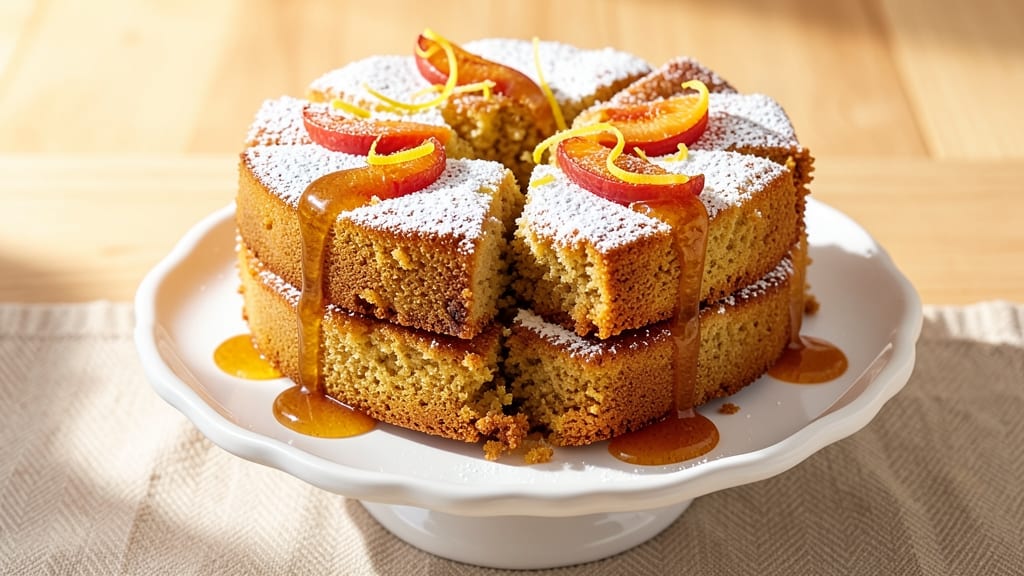
This apricot nectar pound cake delivers layers of tender crumb infused with bright citrus notes that elevate every bite. 💛 The secret lies in blending apricot nectar with lemon zest—a combination that transforms ordinary pound cake into something extraordinary.
What makes this recipe special is how effortlessly it balances sweetness with a refreshing tang, creating a cake that's moist without being heavy. The baking process is straightforward but yields professional results: a golden domed cake with a fine crumb and subtle fruit undertones.
The apricot nectar keeps the cake tender for days, while the citrus zest adds a sophisticated brightness that pairs beautifully with whipped cream or fresh berries. Perfect for celebrations or a special dessert moment, this cake proves simple ingredients can create something truly remarkable.
What you'll end up with is a cake that's rich yet light, with just enough moisture to stay fresh for several days. The aroma alone will have everyone anticipating dessert, and the first slice reveals layers of flavor that dance between sweet and tangy.
This is the kind of cake that becomes a family favorite—simple enough for weeknights but impressive enough for gatherings. Serve warm with a dollop of whipped cream or chilled with fresh fruit for a refreshing contrast.
The versatility of this recipe makes it ideal for any occasion, from birthday celebrations to quiet after-dinner treats. Let's get baking!
Ingredients for apricot nectar pound cake
Bright citrus and apricot nectar transform this classic pound cake into something extraordinary.
| Ingredient | Amount | Notes |
|---|---|---|
| All-Purpose Flour 🌾 | 3 cups | Sifted for light texture |
| Granulated Sugar 🍚 | 2 cups | Superfine preferred for smoothness |
| Apricot Nectar 🍑 | ¾ cup | High-quality, unsweetened |
| Unsalted Butter 🧈 | 1 cup | Cold, cubed for even mixing |
| Large Eggs 🥚 | 4 whole | Room temperature |
| Lemon Zest 🍋 | 2 tbsp | Freshly grated from organic lemons |
| Lemon Juice 🍋 | 2 tbsp | Freshly squeezed |
| Vanilla Extract 🌿 | 1 tbsp | Pure Madagascar or bourbon |
| Baking Powder 🍞 | 2 tsp | Aluminum-free for best rise |
| Salt 🧂 | ½ tsp | Fine sea salt |
| Whole Milk 🥛 | ½ cup | Room temperature |
| Almond Extract 🌰 | ¼ tsp | For subtle nutty depth |
The apricot nectar is the star—look for high-quality brands like Bonne Maman or local farmers' market options—it keeps the cake moist for days. Organic lemons pack more zest flavor, but conventional works too. For the flour, King Arthur or Gold Medal brands yield the best texture. The butter should be cold and cubed—melting it first leads to dense layers. If you can't find superfine sugar, pulse regular granulated in a food processor for 30 seconds.
No apricot nectar? Substitute with 0.5 cup apricot jam plus 0.25 cup water, but expect slightly denser texture. Skip the almond extract? Add 0.25 tsp extra vanilla for depth. Fresh lemon zest is ideal, but dried lemon peel works at double the amount. For a dairy-free version, replace butter with coconut oil and milk with almond milk. The baking powder must be fresh—test by mixing 1 tsp with water; it should fizz vigorously.
Store wrapped tightly at room temperature for 3 days, or refrigerate for up to 1 week for maximum freshness. For longer storage, freeze slices wrapped in plastic for up to 3 months. Reheat slices at 300°F for 5 minutes to restore moisture. The cake reheats beautifully—perfect for breakfast toast or after-dinner dessert.
Why You'll Love This Recipe
- No Mixer Needed: I swear by this—just cream butter and sugar, crack eggs, fold in flour. The apricot nectar does all the work of keeping it moist without a single extra step. Honestly, my stand mixer gets a break for this one.
- Sunshine in a Box: That apricot nectar isn’t just flavor—it’s pure summer in every bite. The butter and sugar give it that classic pound cake richness, but the nectar keeps it bright and fruity, like a hug from a bakery display.
- Weeknight Hero: Slice it warm for breakfast, pack it for lunches, or serve it at 3 PM when the kids are starving. It stays fresh for days, so I always have a backup dessert (or snack) without extra baking.
- Pantry Goldmine: Butter, flour, sugar—these are staples you already own. The apricot nectar adds magic without breaking the bank, and a single cake feeds a crowd or gives me leftovers for days. My go-to when I need to impress but keep it simple.
Step-by-step instructions for apricot nectar pound cake
Here's the method for tender, citrus-kissed layers that stay moist for days.
👨🍳 Step 1: Prepare the Dry and Wet Components
In a medium bowl, whisk together the 3 cups all-purpose flour, 2 cups granulated sugar, 2 tsp baking powder, and 0.5 tsp salt. Sift the flour mixture twice through a fine-mesh sieve to eliminate any lumps and aerate the batter for a lighter texture. Set aside.
In a separate large bowl, cream together the 1 cup cold, cubed unsalted butter and 0.75 cup apricot nectar on medium speed until light and fluffy—about 3-4 minutes. This step incorporates air, which helps create that signature tender crumb. Scrape down the sides of the bowl with a rubber spatula to ensure even mixing.
🍳 Step 2: Incorporate Eggs and Citrus Flavors
Add the 4 whole large eggs, one at a time, mixing well after each addition until fully combined. The mixture should be thick and pale yellow. Stir in the 2 tbsp lemon zest, 2 tbsp lemon juice, 1 tbsp vanilla extract, 0.25 tsp almond extract, and 0.5 cup whole milk. Mix on low speed just until all ingredients are incorporated—overmixing develops gluten and can make the cake dense.
Here's the thing—lemon zest and juice add brightness, but too much can make the cake taste bitter. I like to taste the mixture at this stage to ensure the citrus notes are balanced with the sweetness. The almond extract adds subtle depth, so don't skip it even though it's just a pinch.
🥘 Step 3: Combine Wet and Dry Ingredients
Gradually add the dry ingredients to the wet mixture in three parts, mixing on low speed just until combined after each addition. Stop mixing as soon as the flour disappears—this prevents developing too much gluten, which would make the cake tough. The batter should be thick and smooth, with a ribbon-like consistency when you lift the spatula.
Real talk: The apricot nectar gives this cake its signature moisture and subtle fruitiness. If you're worried about the texture, don't be—this recipe is foolproof for a tender, not gummy, result. The nectar also adds natural sweetness, so you can reduce the sugar slightly if you prefer a less sweet cake.
🔥 Step 4: Bake in Prepared Pans
Preheat your oven to 350°F. Generously grease and flour two 9-inch round cake pans (or one 9x5-inch loaf pan if preferred). Divide the batter evenly between the pans, tapping each pan gently on the counter to remove any air bubbles. Bake for 50-55 minutes until a toothpick inserted into the center comes out clean and the top springs back when pressed gently.
Don't open the oven during baking—this causes the cakes to sink. If the tops brown too quickly, loosely tent them with aluminum foil after 30 minutes. The cakes are done when they pull away from the sides of the pan and have a golden hue. Let them cool in the pans for 10 minutes before transferring to a wire rack to cool completely.
⏰ Step 5: Layer and Serve
Once completely cooled, place one cake layer on a serving plate. Spread a thin layer of apricot nectar glaze (optional: mix 0.25 cup apricot nectar with 1 tbsp lemon juice and 1 tsp vanilla extract, warmed slightly) if desired. Top with the second layer and dust with powdered sugar or additional lemon zest for garnish.
This cake stays moist for days when stored in an airtight container at room temperature. The citrus notes brighten every bite, while the almond extract adds a subtle complexity that makes it stand out from classic vanilla pound cakes. Serve with a dollop of whipped cream or fresh berries for a perfect dessert.
Pro Tips For Making Apricot Nectar Pound Cake
- Whisk Eggs Like Butter: Cream the eggs with sugar until they’re pale, thick, and ribbon-like before folding in the flour—butter mix. I used to rush this, and the cake turned dense. Take your time; those 3-4 minutes of vigorous whisking make the texture light and tender.
- Measure Nectar Precisely: Use a kitchen scale for the apricot nectar (about 1 cup = 240g) instead of eyeballing it. Too much liquid throws off the batter’s balance, and the cake ends up gummy. If you’re in a pinch, use a measuring cup, but tap it firmly to level the surface.
- Avoid Overmixing the Batter: Stop folding in the flour-butter mixture as soon as it’s just combined—no streaks, no lumps, but no extra stirring either. Overmixing develops gluten, and your cake will turn tough instead of delicate. Think "gentle but thorough," not "thoroughly mixed."
- Test Doneness with a Toothpick: Check the cake at 50 minutes—pull out a toothpick from the center. If it comes out clean but the edges are golden, you’re good. If it’s wet but not crumbly, tent with foil and bake another 5-10 minutes. No more guessing; this is the only way to nail it every time.
Flavor customization for this dish
Citrus Boost Variations
Swap out the lemon for orange zest and juice to create a warm, floral twist—just use the same 2 tbsp measurements. For a grapefruit kick, reduce zest to 1 tbsp and juice to 1 tbsp to avoid bitterness.
I’ve found Yuzu zest (available at specialty stores) adds a unique, slightly tart complexity that pairs beautifully with apricot. 🍊
Spiced Apricot Twist
Infuse the apricot nectar with warmth by simmering it with ½ tsp cinnamon and ¼ tsp cardamom for 5 minutes before using. For a ginger-spiced version, add ½ tsp grated fresh ginger to the batter alongside the lemon zest.
The spices deepen the apricot flavor while balancing the cake’s sweetness. Trust me, this transforms it into a cozy seasonal treat.
Nutty Depth Additions
Boost the almond flavor by toasting 2 tbsp sliced almonds and sprinkling them on top before baking. For a hazelnut variation, replace the almond extract with ½ tsp hazelnut extract and fold in 2 tbsp crushed hazelnuts into the batter. The nutty richness complements the apricot’s natural sweetness perfectly. 🌰
Fruit Layer Options
Add a strawberry layer by spreading ½ cup mashed strawberries between cake layers before assembling. For a peach variation, thinly slice 1 ripe peach and arrange it decoratively on top.
Both fruits enhance the apricot’s fruitiness while adding a fresh, vibrant contrast. The berries also soak up any extra nectar glaze beautifully.
Boozy Enhancements
Elevate the cake with 1 tbsp brandy or rum in place of the milk for a sophisticated touch. For a bourbon twist, replace the vanilla extract with 1 tbsp bourbon and add ½ tsp vanilla bean paste for depth.
The alcohol enhances the apricot’s natural sweetness while adding a subtle warmth that pairs wonderfully with whipped cream. 🥃
Seasonal Adaptations
In winter, fold in ½ tsp nutmeg and use cranberry juice instead of lemon juice for a festive twist. For spring, add 1 tbsp fresh mint to the batter and garnish with edible flowers.
The seasonal flavors keep the cake feeling fresh and relevant year-round. I love making this cake for holidays—it’s always a crowd-pleaser! 🌸
Nutrition facts
Frequently asked questions
Can I make this apricot nectar cake in a bundt pan?
Yes, but you'll need to adjust the baking time slightly. A 10-12 cup bundt pan will require about 45-50 minutes at 350°F. Grease the pan thoroughly with butter and flour, then bake until the center reaches 205°F on an instant-read thermometer. The bundt shape creates beautiful ridges that pair perfectly with the citrus-apricot flavors!
Why does my cake turn out dense instead of tender?
Overmixing the batter is the most common cause. Once you add the flour, mix just until combined—about 10-12 strokes. Also ensure your butter is cold and cubed (not melted) and your eggs are room temperature. The apricot nectar should be high-quality to maintain moisture—cheap brands can make the texture gummy.
How do I store leftovers to keep them fresh?
Wrap tightly in plastic wrap or aluminum foil and store at room temperature for up to 3 days. For longer storage, slice the cake and freeze individual portions in airtight containers for up to 3 months. To refresh, reheat slices at 300°F for 5 minutes—they warm beautifully for breakfast toast!
Can I substitute apricot nectar with something else?
Yes! For 0.75 cup, try: ½ cup apricot jam + ¼ cup water (texture may be slightly denser), ½ cup orange juice + 2 tbsp honey (more citrus-forward), or ½ cup peach nectar (similar sweetness). The nectar's natural pectin keeps the cake moist, so avoid substitutes like fruit juice alone.
What's the best way to serve this cake?
Warm slices pair beautifully with vanilla ice cream or whipped cream, while chilled cake works perfectly with fresh berries or a drizzle of caramel sauce. For a restaurant-style touch, dust with powdered sugar and garnish with lemon zest. The citrus notes make it especially refreshing in summer!