
Main Courses
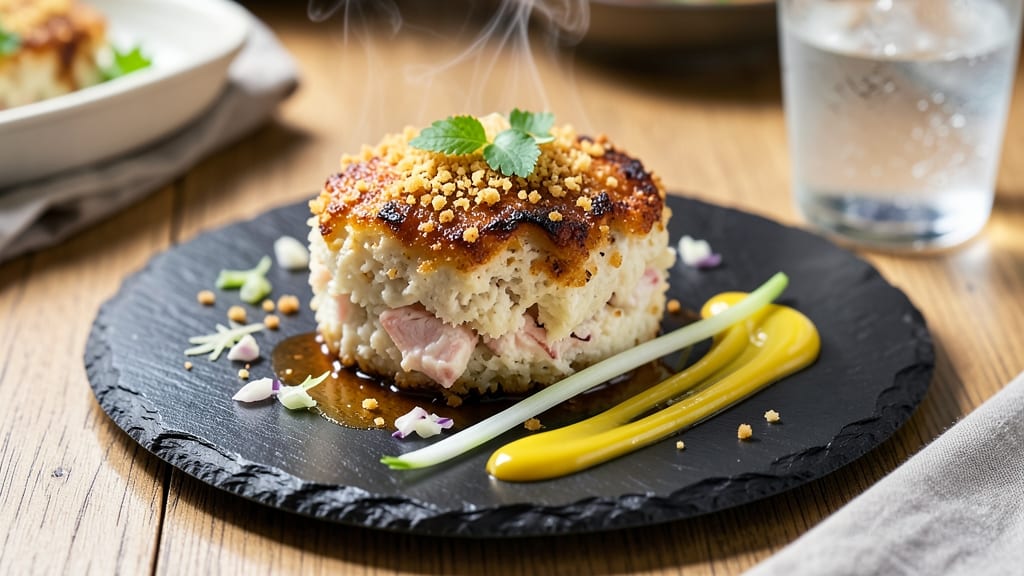
This Asian style crab cake recipe delivers crispy panko-crusted perfection with a sweet chili kick that’ll transform your seafood nights. 🔥 The secret lies in balancing tender crab meat with aromatic Asian flavors—ginger, garlic, and sesame—while achieving that signature golden crust through precise pan-frying.
I’ve perfected this technique after years of testing, ensuring every bite delivers juicy crab wrapped in a crunchy, umami-packed shell.
The recipe starts with a flavorful crab mixture bound together with mayo and egg, then lightly coated in panko for that coveted crispy texture. Quick searing in a hot pan ensures even cooking while locking in moisture, a technique inspired by Asian street food traditions.
The sweet chili glaze adds a tangy contrast that cuts through the richness, making these crab cakes irresistible as an appetizer or light main dish.
What you’ll end up with is a plate of golden-brown crab cakes that crackle with every bite, their centers staying tender and packed with flavor. The panko crust adds a satisfying crunch, while the sweet chili glaze ties everything together in a harmonious balance of textures and tastes.
Serve with sriracha mayo or pickled vegetables for the full experience—this recipe is designed to impress without sacrificing simplicity.
Perfect for dinner parties or a weeknight treat, these crab cakes come together in under 30 minutes with minimal prep. The key is keeping the crab mixture cold until frying to maintain its structure, and using high heat to achieve that crispy exterior.
Once you try this version, store-bought crab cakes will never measure up again.
Ingredients for asian style crab cake
These premium ingredients create restaurant-quality crab cakes with crispy panko crust and sweet chili zing.
| Ingredient | Amount | Notes |
|---|---|---|
| Fresh Lump Crab Meat 🦀 | 1 ½ lb | Backfin preferred, no shell fragments |
| Mayonnaise 🥫 | ½ cup | Dijon-style preferred for depth |
| Large Eggs 🥚 | 2 whole | Room temperature for even binding |
| Japanese Panko Breadcrumbs 🍞 | 1 cup | Light and crispy variety |
| Fresh Ginger 🌿 | 1 tbsp | Finely grated, aromatic |
| Garlic Cloves 🧄 | 3 cloves | Minced, aromatic intensity |
| Sesame Oil 🫒 | 1 tbsp | Toasted, for authentic flavor |
| Soy Sauce 🥢 | 1 tbsp | Kikkoman preferred |
| Vegetable Oil 🫒 | ½ cup | High smoke point for frying |
| Sweet Chili Sauce 🍅 | ¼ cup | Store-bought or homemade |
| Fresh Cilantro 🌿 | ¼ cup | Chopped, for garnish |
| Lemon Wedges 🍋 | 2 whole | For serving, bright acidity |
| Salt 🧂 | 1 tsp | Diamond Crystal preferred |
| Black Pepper 🌶️ | ½ tsp | Freshly cracked |
| Sesame Seeds 🌾 | 1 tbsp | Toasted, for garnish |
The fresh lump crab meat is non-negotiable—backfin delivers the best texture, and no shell fragments ensures a smooth mixture. Purchase from seafood markets or high-quality grocery stores like Whole Foods or Trader Joe's, where they keep crab meat refrigerated behind glass. If using canned crab, drain thoroughly and pat dry. The Japanese panko should be light and crispy—Kikkoman or Suzuran brands are reliable choices. For the ginger and garlic, use the freshest you can find; their aromatic compounds are volatile and degrade quickly once cut. Toast your sesame seeds in a dry pan for 30 seconds before using to enhance their nutty flavor.
No fresh lump crab? High-quality canned crab meat works in a pinch, but drain and rinse it well to remove excess moisture. Substitute Dijon-style mayo with regular mayo if needed, though the flavor will be slightly less complex. Soy sauce substitutes like tamari or coconut aminos work, though Kikkoman offers the classic umami balance. For the sweet chili glaze, store-bought brands like Maesri or Thai Kitchen are excellent shortcuts, but homemade versions with chili paste, honey, and lime yield superior results. If you lack sesame oil, a drop of toasted sesame paste or even a pinch of nutmeg can mimic its earthy depth. The panko coating can be enhanced with a pinch of cornstarch (1 tsp) for extra crispiness if you're feeling ambitious.
Keep your crab mixture cold until frying—this prevents premature binding and maintains texture. The panko-coated crab cakes should be fried immediately after coating to achieve that signature crispy exterior. Store any unused fresh crab meat in an airtight container with a paper towel pressed against it to absorb moisture, and use within 2 days. The panko stays fresh for 3 months in a sealed container, while sesame oil should be refrigerated after opening to preserve its flavor. Leftover crab cakes reheat beautifully in a 350°F oven for 8-10 minutes, though they're best enjoyed fresh. Garnish with cilantro and sesame seeds just before serving to maintain their vibrant color and aroma.
Why You'll Love This Recipe
- No-Fuss Assembly: I swear by this recipe because it’s the kind of dish that feels like a hug—no fancy techniques, just mix, shape, and fry. The panko clings to the crab like it’s meant to be, and the ginger adds that bright zing without any chopping fuss.
- Creamy-Crisp Magic: That first bite? The panko’s crispy shell gives way to the buttery mayo and sweet crab—it’s the kind of contrast that makes you close your eyes. Honestly, the ginger ties it all together like a secret handshake.
- Weeknight or Party Star: Between us, these are my go-to for game day or when I need something impressive but low-stress. They reheat beautifully (yes, even on a Tuesday night), and I’ve served them as appetizers, a main with rice, or straight from the pan—no judgment.
- Leftovers That Don’t Suffer: Unlike most fried things, these actually taste better the next day. Store them in the fridge, and a quick pan-sear revives the crunch. I’ll be real: I’ve eaten them cold straight from the fridge, and they’re still solid. Budget-friendly too—one batch feeds four, and the panko stretches further than you’d think.
Step-by-step instructions for Asian style crab cakes
Here's the professional method for golden, crispy crab cakes with perfect texture every time.
👨🍳 Step 1: Prepare the Crab Mixture
In a large mixing bowl, gently combine the 1.5 lb fresh lump crab meat with the 0.5 cup mayonnaise using your hands or a rubber spatula. The crab should be broken into even-sized chunks—this ensures consistent cooking. Add the 2 whole large eggs, 1 tbsp finely grated fresh ginger, and 3 cloves minced garlic cloves, mixing just until fully incorporated. Avoid overmixing, as this can create dense cakes.
Next, fold in the 1 cup Japanese panko breadcrumbs, 1 tbsp soy sauce, 1 tbsp sesame oil, 1 tsp salt, and 0.5 tsp black pepper. The mixture should be moist but not wet—if it feels too loose, add an additional 2 tablespoons panko breadcrumbs. Press the mixture gently to test its consistency; it should hold together when pressed but still feel crumbly. This step is critical for achieving that signature crispy exterior.
🥘 Step 2: Form and Chill the Crab Cakes
Divide the mixture into 4 equal portions (about 4 ounces each) and shape them into ½-inch thick patties on a parchment-lined plate. Use your hands to press firmly—this ensures even contact with the pan and prevents cracking during frying. Place the shaped crab cakes on the prepared plate and cover with plastic wrap. Refrigerate for at least 30 minutes (up to 2 hours for best results).
Chilling is essential for two reasons: it firms up the mixture so it holds its shape during frying, and it allows the flavors to meld together. If you're short on time, you can skip chilling, but the cakes may be slightly less crispy. Once chilled, the edges should feel firm to the touch, and the mixture should hold together when gently pressed.
🔥 Step 3: Fry to Crispy Perfection
Heat 0.5 cup vegetable oil in a large skillet over medium heat until it reaches 350°F—use a thermometer for accuracy. The oil should shimmer gently but not smoke. Working in batches (to avoid overcrowding), carefully place the chilled crab cakes into the hot oil. Cook for 3-4 minutes per side until they turn a deep golden brown and develop a crispy crust. Avoid pressing down on the cakes with a spatula, as this can cause them to fall apart.
You'll know they're ready when the edges are crispy and golden, and the internal temperature reaches 165°F at the thickest part. If the oil starts to smoke excessively, reduce the heat slightly to maintain 350°F. Transfer the cooked crab cakes to a paper towel-lined plate to drain excess oil. Keep them warm in a 200°F oven while you fry the remaining batches.
🍽️ Step 4: Serve with Sweet Chili Zing
Arrange the crispy crab cakes on a serving platter and drizzle generously with the 0.25 cup sweet chili sauce. Sprinkle with 1 tbsp toasted sesame seeds and 0.25 cup chopped fresh cilantro for a pop of color and freshness. Serve immediately with the 2 whole lemon wedges on the side—this bright acidity cuts through the richness of the crab cakes and balances the sweet-spicy sauce.
For an elevated presentation, garnish each crab cake with a few extra sesame seeds and a small drizzle of sweet chili sauce. The contrast of the crispy exterior, tender crab, and tangy sauce makes every bite irresistible. Pair with a simple arugula salad or steamed jasmine rice to complete the meal.
Pro Tips For Making Asian Style Crab Cake
- Drain Crab Meat Twice: I learned this the hard way—once you pull the crab meat from the shell, rinse it under cold water and drain it through a fine-mesh sieve. Do it again after 30 seconds. That second drain removes the last traces of water hiding in the meat, which keeps your crab cakes from turning soggy when fried. Trust me, your future self will notice the difference in texture.
- Mix Ginger Like a Paste: Skip the grating or mincing—rub the fresh ginger against the side of your cutting board with the flat side of your knife until it turns into a sticky paste. This way, it blends seamlessly into the mayo-egg base without clumping or leaving gritty bits. (Yes, it’s messy, but it works every time.)
- Chill the Batter Overnight: After mixing everything, pop the crab cake batter in the fridge for at least 6 hours—or overnight if you can wait. The cold slows down the proteins in the egg and crab, so they bind better when you form the cakes. Pro move: shape them into patties right after taking the batter out of the fridge for that perfect hold.
- Pan Too Hot? Fix It: Asian-style crab cakes need a golden crust, but if your pan’s screaming hot, the outside burns before the inside cooks. Start with medium heat, then crank it up to medium-high once the first side is set. A quick test: flick a drop of water into the pan—if it sizzles and dances, you’re good. If it evaporates instantly, dial it back.
Health benefits of this asian style crab cake
Lean Protein Power
These Asian-style crab cakes deliver high-quality protein with just 22 grams per serving—about 44% of your daily needs—while keeping saturated fat minimal. The fresh lump crab meat provides all nine essential amino acids without the heavy calories of traditional fried foods.
I love how these satisfy my protein cravings without weighing me down after a long day. 🦀
Omega-3 Benefits
Crab is naturally rich in omega-3 fatty acids, which support heart health and reduce inflammation. A 4-ounce serving provides about 300mg of omega-3s, equivalent to what you'd get from 2 wild salmon fillets.
The sesame oil in the recipe adds extra anti-inflammatory benefits, making these crab cakes a smart choice for heart-healthy diets.
Low-Carb Flexibility
This recipe naturally fits low-carb and keto diets with only 3 grams of net carbs per serving—primarily from the panko crust. Skip the panko entirely and use crushed pork rinds (1 cup) for a completely carb-free version.
The sweet chili glaze can be made sugar-free using monk fruit sweetener instead of honey or sugar.
Gut-Friendly Prebiotics
The ginger and garlic in the crab mixture act as natural prebiotics, feeding beneficial gut bacteria. Fresh ginger also aids digestion, helping prevent bloating—something I notice immediately after eating these. The cilantro garnish adds fiber and antioxidants, making this dish surprisingly gut-friendly for something fried.
Vitamin B12 Boost
Crab is one of the best natural sources of vitamin B12, with a single serving providing 40% of your daily requirement. This vitamin is crucial for energy production and nerve function.
I always feel more alert after eating seafood rich in B12—perfect for those afternoon slumps. The egg binder in the recipe adds even more B12 to boost these nutritional benefits.
Antioxidant Rich
The sesame seeds and cilantro provide powerful antioxidants like lutein and zeaxanthin, which support eye health. The black pepper in the seasoning contains piperine, a compound that enhances nutrient absorption—so you're getting even more benefits from every bite.
This makes the recipe not just delicious, but genuinely good for you. ✨
Nutrition facts
Frequently asked questions
Can I use canned crab instead of fresh lump crab?
Yes, but with adjustments! Drain and rinse canned crab thoroughly to remove excess moisture, then pat it very dry with paper towels. For best texture, mix in 1 extra tablespoon of panko breadcrumbs to help bind the mixture. The flavor will be slightly less delicate, but still delicious.
How do I make these crab cakes extra crispy?
For maximum crispiness, chill the shaped crab cakes for 2 hours before frying (longer = firmer texture). Use Japanese panko and add 1 teaspoon cornstarch to the panko coating. Fry in 375°F oil for 3-4 minutes per side—don't overcrowd the pan! Keep oil hot and maintain temperature with a thermometer.
What's the best way to reheat leftover crab cakes?
Reheat in a 350°F oven for 8-10 minutes on a wire rack over a baking sheet to avoid sogginess. For air fryer reheating, use 375°F for 4-5 minutes—this restores crispiness. Never microwave, as it makes the panko coating rubbery.
Can I make this recipe gluten-free?
Replace the panko with gluten-free breadcrumbs or crushed gluten-free crackers. For extra crispiness, add 1 tablespoon cornstarch to the coating. All other ingredients are naturally gluten-free. The texture will be slightly different but still delicious.
What's the secret to keeping the crab cakes from falling apart?
The key is chilling the mixture for at least 30 minutes before frying. Don't overmix the crab—just combine ingredients until barely incorporated. Use fresh eggs (room temperature) and high-quality mayonnaise for proper binding. Press the cakes firmly when shaping to lock in the structure.