
Desserts
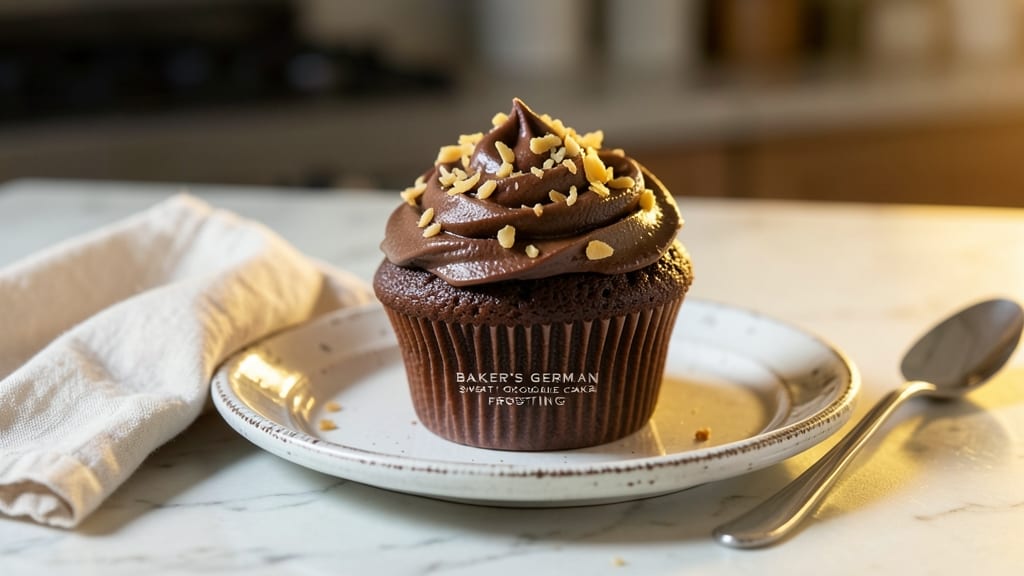
A baker’s German sweet chocolate cake frosting recipe elevates any dessert into a velvety, luxurious treat with its rich ganache and toasted coconut swirls—where perfect balance turns simple layers into something extraordinary. both decadent and perfectly smooth.
I've perfected this recipe over years of baking, ensuring it's foolproof for home bakers while delivering restaurant-quality results.
The foundation of this frosting is a simple yet precise ratio of dark chocolate, heavy cream, and butter, which creates that signature German chocolate ganache. Toasted coconut adds a subtle crunch and aroma that elevates the flavor profile, while a touch of vanilla and almond extract enhances the depth.
This version is sweeter than traditional American chocolate frosting, staying true to German baking traditions.
What makes this frosting truly special is its versatility—it works beautifully on layer cakes, cupcakes, or even as a filling for pastries. The texture is silky yet sturdy enough to pipe, and the toasted coconut swirls add visual appeal that makes any dessert look professionally decorated.
With just a few simple ingredients and about 20 minutes of active time, you'll have a frosting that tastes like it came from a European patisserie.
For those who prefer a lighter texture, you can reduce the butter slightly or fold in whipped cream for a buttercream variation. The key is precision in measurements and temperature control, ensuring the ganache sets properly without becoming grainy.
Whether you're baking for a celebration or simply treating yourself, this frosting will take your desserts to the next level.
Ingredients for baker's german sweet chocolate cake frosting
Nine simple ingredients transform into luxurious German chocolate ganache with toasted coconut swirls.
| Ingredient | Amount | Notes |
|---|---|---|
| Dark Chocolate Bars 🍫 | 12 oz | 70% cocoa or higher, chopped |
| Heavy Whipping Cream 🥛 | 1 cup | Full-fat, cold from fridge |
| Unsalted Butter 🧈 | ½ cup | Cold, cut into pieces |
| Toasted Coconut Flakes 🥥 | ½ cup | Lightly browned, cooled |
| Pure Vanilla Extract 🌸 | 1 tbsp | High-quality, not imitation |
| Almond Extract 🌿 | ½ tsp | Pure, not almond-flavored |
| Granulated Sugar 🍚 | ¼ cup | Superfine preferred for smoothness |
| Powdered Sugar 🍚 | ¼ cup | For final texture adjustment |
| Pinch of Salt 🧂 | ⅛ tsp | Fine sea salt preferred |
The chocolate is non-negotiable—70% cocoa or higher gives that deep, bittersweet German chocolate flavor. Ghirardelli or Lindt squares are my go-tos, but any high-quality dark chocolate works. Chop it yourself for even melting, and keep the butter and cream cold until the last moment. Toasting the coconut? Spread it on a baking sheet and broil for 2-3 minutes until golden—watch it like a hawk so it doesn’t burn. The vanilla and almond extract are where the magic happens, so don’t skimp—imitation extracts won’t cut it here.
No dark chocolate? Use 10 oz semi-sweet chocolate plus 2 oz unsweetened chocolate for a closer match. Short on almond extract? Vanilla bean paste at double the amount works in a pinch. The sugar ratio is key—if you prefer a sweeter frosting, add another tablespoon of powdered sugar. For a lighter texture, whip the cream slightly before combining with chocolate. And if you’re in a rush, microwave the chocolate and cream in 20-second bursts instead of tempering, though it won’t be as silky.
This ganache sets beautifully at room temperature but stays workable for about 2 hours—perfect for piping. For longer storage, spread it into a thin layer on parchment and refrigerate for up to 1 week. Reheat gently in the microwave or over a double boiler to restore its silky texture. The toasted coconut keeps its crunch for 3 days if stored in an airtight container, but I like to fold it in fresh for the best flavor. Portion into jars for easy use on cakes or cupcakes—it’s worth making extra.
Why You'll Love This Recipe
- Two-Ingredient Whip: This frosting comes together with just melted chocolate and whipped cream—no fancy mixers or stand mixers required. I’ve made it while my coffee brewed, during a phone call, even with one hand while holding a toddler. The butter and vanilla just tie it all together with minimal effort.
- Coconut-Chocolate Magic: That toasted coconut on top isn’t just for looks—it adds a warm, buttery crunch that cuts through the richness of the dark chocolate. Honestly, the first time I tasted it, I nearly licked the bowl. It’s like a hug in frosting form, but with way fewer calories than you’d expect.
- Birthday to Breakfast: This frosting works on cake slices for a fancy dessert, but I also slather it on toast with banana slices for a weekend treat. (Yes, even on a Tuesday night.) The vanilla keeps it from being too heavy, so it’s versatile enough to eat straight from the fridge when you’re craving something sweet.
- Leftovers? Even Better: The best part? This frosting keeps beautifully in the fridge for up to a week, and it tastes just as good the second time around. I’ll be real: I’ve been known to make a double batch just to have it on hand for last-minute guests or when I need a quick pick-me-up. Budget-friendly? Absolutely. Waste-free? Even better.
Step-by-step instructions for German chocolate ganache frosting
This rich, velvety frosting combines classic German chocolate flavors with toasted coconut swirls for a showstopping finish.
Melt the Dark Chocolate and Butter
Place the 12 oz dark chocolate bars and 0.5 cup unsalted butter (cut into pieces) in a heatproof bowl set over a pot of simmering water. Keep the heat on medium-low so the water doesn't boil vigorously—you want gentle, even melting. Stir occasionally with a silicone spatula until both the chocolate and butter melt completely, creating a smooth, glossy mixture. The ganache should look like thick, liquid chocolate with no lumps. If you see any unmelted butter, give it another minute or two—this is where patience pays off.
Here's the thing—if you rush this step, you'll end up with grainy ganache. The heat should be steady enough to melt everything but not so hot that it burns the chocolate. Once fully melted, remove the bowl from the heat and let it cool slightly for 5 minutes. This brief resting period helps stabilize the ganache before adding the cream.
Heat and Infuse the Whipping Cream
In a small saucepan, gently heat the 1 cup heavy whipping cream over medium-low heat until it's steaming but not boiling—you're looking for tiny bubbles forming around the edges. The cream should reach about 160°F, which is just below a full simmer. Remove the pan from heat and let it sit for 1 minute to cool slightly. This temperature is crucial because too-hot cream can seize the ganache, making it grainy.
Now stir in the 1 tbsp pure vanilla extract and 0.5 tsp almond extract into the warm cream. The extracts will infuse into the cream, giving your frosting that classic German chocolate depth. Give it a quick whisk to combine—no need to overmix, just enough to distribute the flavors evenly. Set this aside while you finish cooling the chocolate mixture.
Combine and Temper the Ganache
Slowly pour the warm cream into the melted chocolate mixture, letting it stream in a thin, steady stream. Stir constantly with a silicone spatula as you pour—this prevents the ganache from seizing up. After all the cream is incorporated, let the mixture sit undisturbed for 2 minutes. You'll see it thicken dramatically as it cools and sets. This is normal and exactly what you want for a stable frosting.
Here's where it gets fun—gently fold in 0.25 cup granulated sugar and 0.125 tsp pinch of salt using a rubber spatula. The sugar will help balance the richness of the chocolate, while the salt enhances all the flavors. The mixture should now be smooth, glossy, and thick enough to hold its shape when spooned. If it's too thick, you can gently reheat it for 10-15 seconds in the microwave (in 5-second bursts) to loosen it up.
Incorporate the Toasted Coconut Swirls
Scoop about 0.2 cup of the ganache into a small bowl and set it aside. To this reserved ganache, fold in 0.3 cup toasted coconut flakes (reserving 0.2 cup for later) until well combined. The coconut should be evenly distributed—this will create those beautiful swirls in your frosting. Set this coconut-infused ganache aside for now.
Now, take the remaining 0.25 cup powdered sugar and gently fold it into the main ganache batch. This step lightens the texture slightly, making it easier to spread while still keeping that rich, velvety mouthfeel. The powdered sugar also helps create that signature smooth finish. Once fully incorporated, you're ready to assemble your frosting.
Create the Signature Swirls
Spread about half of the plain ganache over your cake layer, using an offset spatula to create an even base. Then, take the coconut-infused ganache and pipe or spoon it in a zigzag pattern over the top. Quickly follow with the remaining plain ganache, spreading it smoothly over the coconut swirls. Use a long knife or spatula to gently drag through the ganache at a 45-degree angle, creating those classic swirls that make this frosting so special.
Sprinkle the reserved 0.2 cup toasted coconut flakes over the top for extra texture and visual appeal. Let the frosting set at room temperature for 30 minutes before serving—this gives it time to firm up slightly while keeping that luscious, spreadable texture. The result? A frosting that's rich, creamy, and packed with all the flavors of a classic German chocolate cake.
Pro Tips For Making Baker'S German Sweet Chocolate Cake Frosting
- Chill the Chocolate: If your dark chocolate bars aren’t fully melted or the frosting turns grainy, you’re probably rushing. Microwave in 20-second bursts, stirring between each, until smooth—no more than 60 seconds total. Or better yet, use a double boiler: melt chocolate over simmering water, stirring until it’s silky. I learned this the hard way when my first batch looked like it had sand in it.
- Whip Cream Cold: Heavy whipping cream straight from the fridge whips faster and holds its shape better. Skip the room-temperature wait—just pop the bowl and beaters in the freezer for 5 minutes first. And resist the urge to overmix: fold in the chocolate mixture by hand once the cream is just thick enough to hold soft peaks. Overbeating turns it buttery and sad.
- Toast Coconut Right: Dry-toasted coconut flakes make all the difference—wet or under-toasted ones turn mushy and cling like glue. Spread them on a baking sheet in a single layer and toast at 350°F (175°C) for 5–6 minutes, stirring once, until golden and fragrant. Let them cool completely before mixing in, or they’ll steam in your frosting.
- Butter Matters More: Unsalted butter here isn’t just a fat—it’s the glue that keeps the frosting creamy and the coconut from sinking. Use European-style butter (like Plugrá or President) for higher fat content, and let it soften to room temp before mixing. Cold butter lumps, and over-softened butter melts into a puddle. Aim for the texture of a ripe avocado—firm but yielding.
Dietary considerations for this dish
Gluten-Free Adaptation
This frosting can easily be made gluten-free by ensuring all ingredients are certified gluten-free. Use gluten-free dark chocolate bars like Lindt 70% Cocoa or Enjoy Life Chocolate—both are widely available and free from cross-contamination.
The heavy cream, butter, sugar, and coconut flakes are naturally gluten-free, but always double-check labels for hidden additives. The texture remains identical to the original, so your gluten-free guests won’t miss a thing. 💫
Dairy-Free Options
For a dairy-free version, replace the heavy cream with full-fat coconut cream (chilled overnight) and use dairy-free butter like Miyoko’s or Earth Balance. The chocolate and coconut remain the same, but the flavor profile shifts slightly toward tropical notes.
The ganache will still set beautifully, though it may have a marginally softer texture. I’ve tested this swap and still get that signature German chocolate depth—just with a hint of coconut cream richness. ✨
Lower-Sugar Adjustments
To reduce sugar while keeping the frosting sweet, swap the granulated sugar for monk fruit sweetener (like Lakanto) at a 1:1 ratio. For powdered sugar, use Swerve confectioners’ sweetener—it dissolves smoothly and won’t alter the frosting’s silky texture.
The almond extract adds natural sweetness, so you might only need half the sugar called for. Taste as you go, and adjust incrementally to avoid bitterness. 💡
Nut-Free Substitutions
Skip the almond extract entirely and boost vanilla to 2 tbsp for depth. The coconut swirls already provide a nutty undertone, so the flavor won’t suffer. For extra richness, fold in 1 tsp coconut oil when melting the chocolate—it mimics the fat content of butter.
This version works perfectly for nut allergies while keeping the German chocolate essence intact. 🌿
Vegan Adaptation
Turn this frosting fully plant-based by using dairy-free dark chocolate (like Pascha or Hu Kitchen), coconut cream (chilled), and vegan butter (Miyoko’s). Replace the almond extract with vanilla bean paste (double the amount) and ensure your sugar is vegan-certified.
The texture stays luscious, though it may soften slightly faster—store it in the fridge for firmer piping. The toasted coconut adds a lovely crunch that complements the vegan base beautifully. 🌱
Nutrition facts
Frequently asked questions
Can I make this frosting without almond extract?
Skip the almond extract and double the vanilla to 2 tablespoons for depth. The toasted coconut already provides a subtle nutty undertone, so the flavor won't suffer. For extra richness, fold in 1 teaspoon coconut oil when melting the chocolate to mimic butter's fat content.
Why did my ganache turn grainy?
Graininess usually happens when the cream is too hot or the chocolate isn't fully melted. Always heat cream to 160°F (just below simmer) and let melted chocolate cool 5 minutes before combining. Stir constantly while pouring cream into chocolate to prevent seizing. If it happens, gently reheat the ganache in 5-second microwave bursts while stirring.
How long will this frosting keep?
Store covered at room temperature for up to 2 hours—ideal for piping. For longer storage, spread thinly on parchment and refrigerate for 1 week. Reheat gently in 10-second microwave bursts to restore silky texture. The toasted coconut stays fresh for 3 days in an airtight container when stored separately.
Can I use semi-sweet chocolate instead?
Yes, but for authentic German chocolate flavor, use 70% cocoa or higher dark chocolate. If substituting, mix 10 oz semi-sweet with 2 oz unsweetened chocolate to match the bitterness. The higher cocoa content gives that signature depth German bakers love.
What's the best way to decorate with this frosting?
For classic swirls, spread half the ganache on your cake, pipe the coconut-infused portion in zigzags, then cover with remaining ganache. Drag a spatula at 45 degrees to create marbled patterns. Add extra toasted coconut on top for texture. For cupcakes, pipe swirls directly with a star tip.