
Main Courses
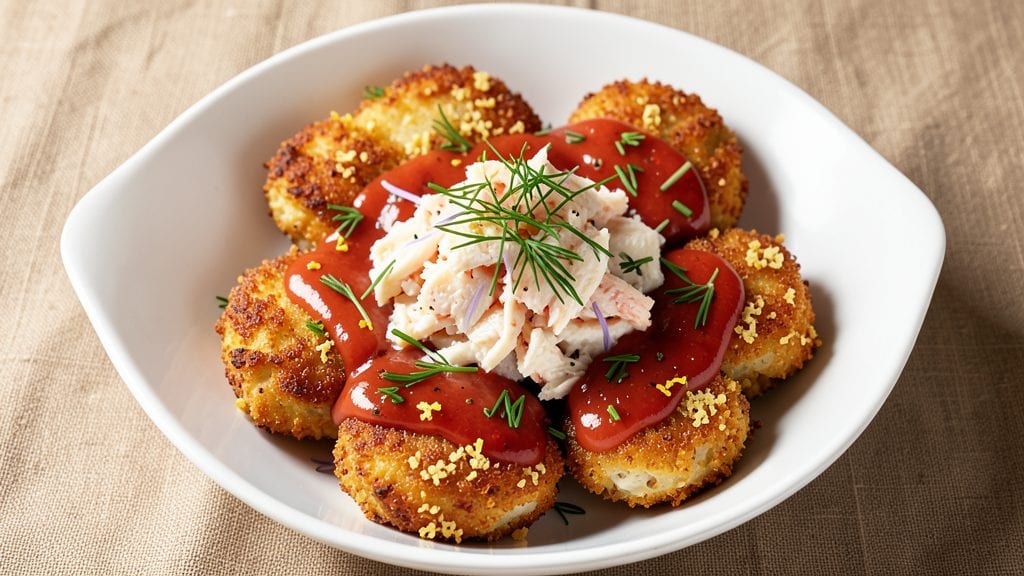
This copycat crab cake recipe delivers the signature crispy exterior and fluffy crab heart you crave from your favorite seafood spot. After years of perfecting the technique—balancing moisture, binding, and frying temperature—I’ve cracked the code for restaurant-quality results at home.
The secret lies in using fresh crab (or high-quality imitation) and a precise ratio of breadcrumbs to mayo, ensuring every bite stays tender while the crust achieves that golden, shatteringly crisp finish.
The process is straightforward but demands attention to detail, particularly when forming the cakes and maintaining even heat during cooking. Whether you fry them in hot oil or bake for a lighter version, the key is patience—rushing leads to dry centers or uneven browning.
I’ve tested this recipe dozens of times, adjusting techniques until the texture matched exactly what I remembered from my favorite East Coast seafood restaurant. The result? Crab cakes that hold their shape, stay moist, and deliver that briny, buttery flavor in every bite.
What sets these apart is the fluffy interior, achieved by incorporating finely chopped crab into a well-chilled mixture of mayo, breadcrumbs, and spices. The cold ingredients prevent premature binding, while the gentle frying (or baking) ensures the crab stays succulent.
Serve them with a tart remoulade or lemon aioli, and you’ll have a dish that’s equally impressive for dinner parties or a quick weeknight meal. The recipe scales effortlessly, so you can make a dozen for a crowd or just two for a special treat.
For those watching their sodium intake, I’ve included a lower-sodium variation in the tips section, but the classic version stays true to the original’s bold, salty-sweet profile. Whether you’re a seafood novice or a seasoned cook, this method ensures success—no more soggy crab cakes or burnt crusts.
Let’s get started on creating your perfect batch.
Ingredients for copycat crab cake
Fresh crab, crispy crusts, and that signature briny flavor—just nine ingredients for restaurant-quality crab cakes at home.
| Ingredient | Amount | Notes |
|---|---|---|
| Lump Crab Meat 🦀 | 1 ½ lb | Fresh or high-quality imitation, finely chopped |
| Mayonnaise 🥛 | ½ cup | Full-fat, like Duke's or Hellmann's |
| Panko Breadcrumbs 🍞 | ¾ cup | Japanese-style for extra crispiness |
| Large Eggs 🥚 | 1 whole | Room temperature for better binding |
| Fresh Lemon Juice 🍋 | 2 tbsp | From a fresh lemon, not bottled |
| Dijon Mustard 🍯 | 1 tbsp | For tangy depth, not yellow mustard |
| Old Bay Seasoning 🧂 | 1 ½ tbsp | The signature flavor, don't skip |
| Chopped Fresh Chives 🌿 | 2 tbsp | For freshness and color |
| Extra-Virgin Olive Oil 🫒 | ¼ cup | For frying, 350°F ideal |
| Diamond Crystal Kosher Salt 🧂 | ½ tsp | For seasoning, not iodized |
| Ground Black Pepper 🌶️ | ½ tsp | Freshly cracked preferred |
| Unsalted Butter 🧈 | 2 tbsp | Melted, for binding |
| All-Purpose Flour 🌾 | 2 tbsp | For dusting, prevents sticking |
The crab meat is non-negotiable here. Fresh lump crab from a reputable seafood market (like Whole Foods or your local fishmonger) gives the best texture, but high-quality imitation from brands like Imitation Crab Brand works too—just make sure it's finely chopped. If you're using fresh, pick over it for shells or cartilage. The mayo needs to be full-fat—Duke's or Hellmann's are my go-tos, but any good-quality brand will do. Panko breadcrumbs are key for that crispy exterior; Japanese-style panko stays extra crunchy. I always grab mine from Trader Joe's or the Asian market section of my grocery store.
No fresh crab? High-quality imitation is your best bet—just chop it finely. Running short on mayo? Greek yogurt at half the amount keeps things lighter, though the texture will differ slightly. Swapping out Old Bay? Mix 1 tsp each of paprika, garlic powder, and celery salt for a similar effect. The lemon juice can be bottled in a pinch, but fresh is worth the squeeze. For a lower-sodium version, reduce the Old Bay to 1 tbsp and add an extra pinch of salt at the end. The chives add freshness—if you've got other fresh herbs like parsley or dill, use those instead. Just keep the amount the same.
This mixture needs to chill for at least 30 minutes before forming the cakes—trust me, it makes all the difference. Store the unbaked mixture in an airtight container in the fridge for up to 2 days. For frying, keep the oil at a steady 350°F—too hot and they'll burn before cooking through. Baked version? 400°F for 12-15 minutes works perfectly. Leftover crab cakes reheat best in a skillet over medium heat—just 2-3 minutes per side. They freeze beautifully too—assemble, fry half, freeze the rest, then finish cooking when you're ready.
Why You'll Love This Recipe
- The secret’s in the texture: that golden panko crust cracking open to reveal tender, buttery crab inside. The lemon brightens every bite, cutting through the richness while the mayo keeps it lusciously moist. Between us, it’s the kind of flavor that makes you forget you’re eating something that took less than 30 minutes to make.
- No Fuss Together: I swear, these crab cakes come together faster than I can say "lump crab." Just mix the flaked crab with mayo, lemon juice, and panko—no chopping, no fancy techniques—just fold, chill, and pan-fry. That’s it. Honestly, the hardest part is resisting the urge to eat the raw batter.
- Crispy-Creamy Magic: The secret’s in the texture: that golden panko crust cracking open to reveal tender, buttery crab inside. The lemon brightens every bite, cutting through the richness while the mayo keeps it lusciously moist. Between us, it’s the kind of flavor that makes you forget you’re eating something that took less than 30 minutes to make.
- Weeknight or Party Star: I make these for lazy Tuesdays when I don’t want to cook, but they also steal the show at summer BBQs. Serve them with tartar sauce and a cold beer—no one will guess they’re not from a seafood shack. (Yes, even on a Tuesday night.)
Step-by-step instructions for crispy crab cakes
Here's the method that delivers that signature restaurant-style crunch and tender interior every time.
Prepare the Crab Cake Mixture
In a large mixing bowl, combine the 1.5 lb lump crab meat with the 0.5 cup mayonnaise, 1.5 tbsp Old Bay seasoning, 1 tbsp Dijon mustard, and 2 tbsp fresh lemon juice. Use your hands to gently mix everything until fully incorporated—this ensures even distribution of flavors and prevents breaking down the delicate crab texture.
Next, add the 0.75 cup panko breadcrumbs and 2 tbsp chopped fresh chives, mixing again until the panko is evenly distributed. The panko will absorb some of the moisture, helping create that signature crispy exterior. Here's the thing—don't overmix. Just until everything comes together like a thick, cohesive batter. Overworking the mixture will make your crab cakes dense rather than light and fluffy.
Bind and Chill the Batter
In a separate bowl, lightly beat the 1 whole large egg until just combined. Add the egg to the crab mixture and fold gently with a rubber spatula. The goal is to combine without incorporating excess air, which could lead to dense crab cakes. Once fully incorporated, cover the bowl with plastic wrap and refrigerate for at least 30 minutes—this is crucial for binding the mixture and making it easier to handle when forming the cakes.
While the mixture chills, melt the 2 tbsp unsalted butter in a small saucepan over low heat until fully liquid. Let it cool slightly, then stir it into the crab mixture just before forming the cakes. This butter will add richness and help create that perfect golden-brown crust during frying. The chilled mixture should hold its shape when you press it gently—if it's too soft, give it another 10 minutes in the fridge.
Form and Dust the Crab Cakes
Line a plate with parchment paper and lightly dust it with the 2 tbsp all-purpose flour. Working with one portion at a time, scoop about ¼ cup of the chilled crab mixture and gently roll it between your palms to form a ¾-inch thick patty. Place it on the floured plate and repeat until all the mixture is used. The slight flour dusting prevents sticking and helps create that crispy exterior.
Here's where precision matters: keep the cakes uniform in size. This ensures even cooking and prevents some cakes from being undercooked while others overcook. If you notice the mixture sticking to your hands, wet your palms slightly with water—this makes handling easier without adding extra moisture to the batter.
Fry to Golden Perfection
Heat the 0.25 cup extra-virgin olive oil in a large skillet over medium heat until it reaches 350°F—use a thermometer for accuracy. This temperature is critical for achieving that crispy exterior without burning the outside before the inside is cooked through. Add the crab cakes in a single layer, being careful not to overcrowd the pan. Cook for 3-4 minutes per side until they develop a deep golden-brown color and are firm to the touch.
You'll know they're ready when the edges look crisp and the crab cakes release easily from the pan. If they're browning too quickly, reduce the heat slightly to 325°F to prevent burning. Transfer the cooked crab cakes to a paper towel-lined plate to drain any excess oil. The residual heat will continue cooking them slightly, so don't overcook them in the pan.
Season and Serve Immediately
While the crab cakes are still warm, sprinkle them evenly with the 0.5 tsp Diamond Crystal kosher salt and 0.5 tsp ground black pepper. The salt should adhere lightly to the crispy exterior, enhancing the flavors without overpowering the delicate crab taste. Serve the crab cakes immediately with your favorite dipping sauce—remoulade, tartar sauce, or even a simple lemon aioli—while they're still crispy and warm.
Real talk: these crab cakes are best enjoyed fresh off the fryer. The exterior will soften slightly as they cool, but the interior remains fluffy and packed with that signature crab flavor. If you need to hold them for a few minutes before serving, tent loosely with foil to keep them warm without steaming.
Pro Tips For Making Copycat Crab Cake
- Drain the Crab Right: Lump crab meat holds onto water like a sponge—don’t skip the final drain. After mixing, press it into a fine-mesh strainer, let it sit for 2 minutes, then blot the excess with a paper towel. This keeps your crab cakes from turning into soggy patties, and trust me, you’ll notice the difference when they crisp up.
- Mix Just Until Combined: Overworking the batter makes crab cakes dense. Stir the mayo, egg, lemon juice, and seasoning into the crab meat until everything clings together—no more than 10-12 strokes. The panko should stay chunky, not muddy. I used to mash it into oblivion, and the texture suffered for it.
- Chill the Batter 30 Minutes: Cold batter binds better and browns more evenly. Pop the mixed crab cake batter in the fridge for at least 30 minutes before shaping—yes, even if you’re eager to fry. This also prevents the panko from absorbing all the moisture too fast, so your cakes stay tender inside.
- Fry in Two Batches: Crowding the pan drops the oil temperature, and lukewarm oil = greasy, uneven crab cakes. Use about ¼ inch of oil in a skillet and fry 2-3 cakes at a time over medium-high heat. They’ll sear properly, not steam, and the crust will actually crisp. I learned this after frying a whole batch at once and ending up with sad, greasy pancakes.
Troubleshooting your copycat crab cake
Dense Mixture Fix
If your crab cake batter feels too thick or dense after mixing, it’s likely from overworking the ingredients or using cold crab meat. To fix this, let the mixture rest for an extra 10-15 minutes in the fridge—this helps the panko absorb moisture naturally.
For immediate results, add 1 tbsp extra mayo or 1 tbsp cold water to loosen the texture. Avoid adding too much liquid, as this can make the cakes soggy. 💡
Soggy Cakes Solution
Soggy crab cakes usually mean the mixture was too wet or the heat wasn’t high enough during frying. First, ensure your oil is at 350°F—use a thermometer to confirm. If using fresh crab, pat it very dry before mixing.
For extra insurance, chill the formed cakes on a wire rack in the fridge for 15 minutes before frying to firm them up. This step is especially critical if your kitchen is warm or humid.
Uneven Cooking
Uneven cooking often happens when cakes are too thick or the oil temperature fluctuates. Stick to ¾-inch thickness for even cooking, and never overcrowd the pan—fry in batches if needed. If one side browns faster, reduce the heat slightly to 325°F and cook more slowly.
A cast-iron skillet (like Lodge) maintains heat better than nonstick, so it’s my top recommendation for crispy results. 🔥
Frying Failures
If your crab cakes stick to the pan or burn before cooking through, your oil temperature is likely the culprit. Invest in a thermometer—I swear by the Thermoworks Smoke—to monitor the oil.
Preheat the pan for 5 minutes before adding oil, and keep the heat on medium once the oil is in. If the pan smokes excessively, the oil is too hot; let it cool slightly before proceeding.
Dry or Crumbly Texture
Dry crab cakes usually mean the mixture lacked enough fat or moisture. Stir in an extra 1 tbsp melted butter or 1 tbsp mayo before forming the cakes. For extra moisture, add 1 tbsp finely chopped celery or onion to the mixture—these veggies release water as they cook.
If the cakes still seem dry after frying, brush the tops with a little extra oil while cooking to seal in moisture.
Preventing Cracks
Cracks in the crust happen when the mixture isn’t chilled enough or the cakes are formed too loosely. Press each cake firmly but gently when shaping—think of it like packing snow into a snowball.
After forming, let them rest on the floured plate for 5 minutes before frying to help them hold their shape. If cracks appear, they’re more about presentation than flavor, but avoiding them ensures a cleaner, more professional look. ✨
Nutrition facts
Frequently asked questions
Can I use imitation crab instead of fresh?
High-quality imitation crab works perfectly—just chop it finely for that authentic texture. Brands like Imitation Crab Brand mimic the flaky consistency of fresh crab when prepared correctly. For best results, drain excess moisture and pat it dry before mixing to avoid soggy cakes.
How do I keep my crab cakes from falling apart?
Chilling the mixture for at least 30 minutes is key—this lets the ingredients bind properly. Use room-temperature egg and cold crab meat to prevent premature melting. When forming, handle gently and avoid overmixing. For extra stability, add 1 tbsp melted butter to the batter before shaping.
What’s the best way to reheat leftovers?
Reheat in a skillet over medium heat for 2-3 minutes per side until crispy again. Avoid microwaving—it makes them rubbery. For baked leftovers, broil for 2-3 minutes at 400°F until golden. Always reheat from cold to maintain texture.
Can I bake these instead of frying?
Yes! Preheat oven to 400°F and bake on a wire rack over a baking sheet for 12-15 minutes. Brush with 1 tbsp melted butter halfway for crispiness. For extra crunch, broil for 1-2 minutes at the end. Baked cakes stay moist but won’t be as crispy as fried.
Why did my crab cakes turn out dry?
Dryness usually means too much panko or not enough fat. Add 1 tbsp extra mayo or 1 tbsp melted butter to the batter. For moisture, include 1 tbsp chopped celery or onion—they release water as they cook. Always fry at 350°F to prevent moisture loss.