
Desserts
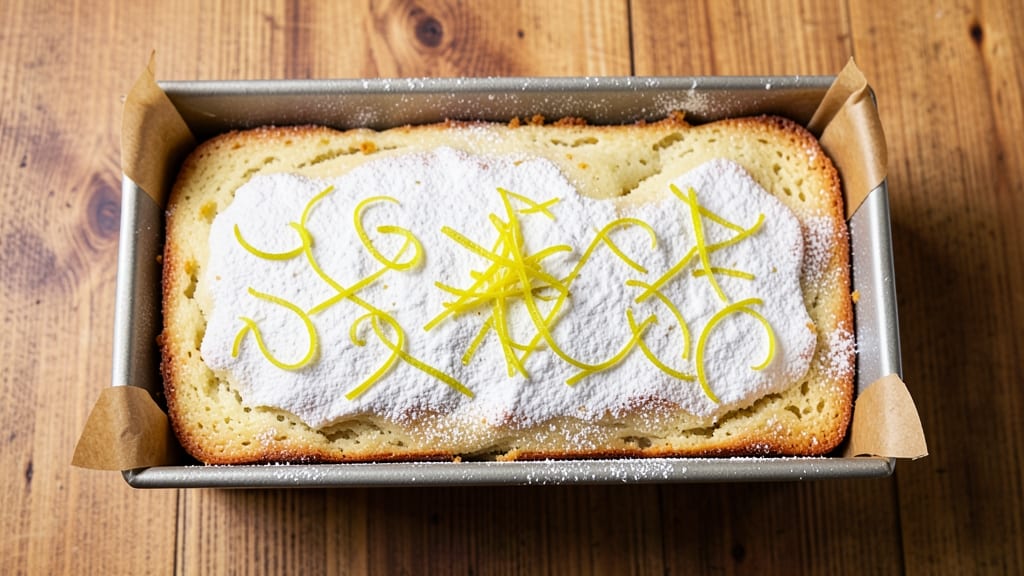
This Duncan Hines Lemon Supreme Pound Cake delivers the perfect balance of buttery richness and bright citrus zing in every slice. The secret lies in layers of tender cake infused with lemon zest and juice, topped with a crunchy streusel that adds texture contrast.
I've perfected this recipe over years of baking, ensuring it stays moist for days while delivering that classic pound cake density. The result is a cake that's elegant enough for special occasions but simple enough for weekend baking.
The beauty of this recipe is its versatility—it works as a standalone dessert or pairs beautifully with whipped cream and fresh berries. Professional bakers know that proper layering and precise baking times create that signature texture we all love in pound cakes.
This version includes a lemon glaze that keeps the cake moist while adding a glossy finish that makes it look as good as it tastes.
What sets this apart is the combination of traditional pound cake techniques with modern citrus twists. The cake itself is rich and buttery, with just the right amount of lemon flavor that brightens every bite.
The streusel topping adds a satisfying crunch that contrasts perfectly with the tender cake layers. It's the kind of dessert that feels indulgent yet balanced—ideal for brunch, afternoon tea, or celebration gatherings.
Ready in just under two hours with minimal active time, this recipe delivers restaurant-quality results at home. The key steps include proper mixing techniques, accurate oven temperature control, and careful layering of the cake and streusel.
Whether you're baking for a crowd or treating yourself to a special dessert, this lemon supreme pound cake won't disappoint. Let's get started on creating your perfect slice.
Ingredients for duncan hines lemon supreme pound cake
Buttery layers meet bright citrus in this classic pound cake—just 14 ingredients for restaurant-worthy dessert.
| Ingredient | Amount | Notes |
|---|---|---|
| All-Purpose Flour 🌾 | 3 cups | Sifted for light texture |
| Unsalted Butter 🧈 | 1 ½ cups | Cold, cubed for streusel |
| Granulated Sugar 🍚 | 2 cups | Plus 1 cup for streusel |
| Light Brown Sugar 🍚 | ½ cup | Packed for streusel |
| Large Eggs 🥚 | 4 whole | Room temperature |
| Lemon Zest 🍋 | 2 tbsp | From 2 large lemons |
| Fresh Lemon Juice 🍋 | ½ cup | From 2-3 lemons |
| Baking Powder 🧂 | 2 tsp | Freshly measured |
| Salt 🧂 | ½ tsp | Fine sea salt |
| Vanilla Extract 🍯 | 1 tbsp | Pure vanilla preferred |
| Old-Fashioned Oats 🌾 | ½ cup | Blended to powder |
| Chopped Almonds 🌰 | ½ cup | Toasted for streusel |
| Powdered Sugar 🍚 | 1 cup | For lemon glaze |
| Heavy Cream 🥛 | ¼ cup | For lemon glaze |
The butter is non-negotiable here—unsalted, cold, and cubed for that perfect streusel texture. Land O'Lakes or Plugrá are my go-tos, but any good-quality brand works. For the flour, King Arthur or Gold Medal are reliable, but don't overthink it—the cake will still turn out great. The lemons? Use organic if possible—the zest should be vibrant and fragrant, not bitter. If you're short on time, pre-grate the zest using a microplane, but don't skip it. The oats need to be old-fashioned, not quick oats—they blend better into that crunchy topping. Grab a bag of chopped almonds from Trader Joe's if you want to save time on toasting.
No vanilla extract? Vanilla bean paste works too—just use the same amount. Short on lemon juice? Lemonade concentrate (diluted) is a decent swap, but fresh is always better. The baking powder needs to be fresh—if it's more than 6 months old, test it first (mix with water; it should bubble). For the streusel, blend the oats in a food processor for a finer texture, but pulse them if you want more crunch. The glaze? Powdered sugar and heavy cream is classic, but you could also use confectioners' sugar and milk if you're out of cream. Just make sure to strain it before drizzling—no lumps allowed!
This cake keeps beautifully—3-4 days at room temperature wrapped in plastic, or up to 5 days in the fridge. The streusel stays crisp, but the cake stays moist thanks to that lemon glaze. For make-ahead magic, bake it 1 day ahead—the flavors meld even more overnight. Slice it thick (about 1.5 inches) for that classic pound cake experience. Leftovers? Freeze slices for up to 3 months—just thaw at room temperature before serving. Trust me, it's even better the second day!
Why You'll Love This Recipe
- No Mixer Needed: I swear by this recipe when I’m in a rush—just cream the butter and sugars by hand (or use a fork in a pinch), then fold in the dry ingredients. The boxed mix handles the rest, so you’re not stuck measuring every single spice or leavening agent.
- Citrus Zing Without Effort: That bright lemon flavor? It’s all in the box—but the real magic is how the brown sugar caramelizes just enough to balance the tartness. One bite and you’ll forget it’s a boxed cake.
- Weeknight Hero: This cake bakes in under an hour, then sits pretty on the counter for days. I’ll often make it on Sunday, slice it for breakfast toast with butter, or pack it for lunches. The eggs and butter keep it rich enough to satisfy any craving.
- Budget Luxury: You’re basically making a gourmet dessert for the price of a coffee run. The butter and eggs make it feel special, but the boxed mix keeps costs low. Honestly, it’s my go-to for birthdays, holidays, or just because—I deserve a treat.
Step-by-step instructions for lemon supreme pound cake
Here's the method that delivers layers of tender cake and buttery crunch every time.
Prepare the Cake Batter
Preheat your oven to 350°F and grease a 10x6-inch baking pan, then line it with parchment paper. In a large mixing bowl, combine the 3 cups all-purpose flour, 2 tsp baking powder, and ½ tsp salt. Sift this mixture together to remove any lumps and create a light, airy base for your cake.
In a separate bowl, cream together the 1½ cups unsalted butter and 2 cups granulated sugar on medium speed until light and fluffy—about 3-5 minutes. This step is crucial for creating that signature tender crumb. Add the 4 whole large eggs, one at a time, beating well after each addition. Stir in the 2 tbsp lemon zest, ½ cup fresh lemon juice, and 1 tbsp vanilla extract until fully incorporated. The mixture should be smooth and pale yellow.
Gradually add the dry ingredients to the wet mixture, mixing on low speed just until combined. Avoid overmixing—you should still see small streaks of flour. The batter will be thick but pourable. Real talk: This is where the magic happens, so don't rush it.
Make the Streusel Topping
While the cake batter rests, prepare the streusel topping in a small bowl. Combine the ½ cup old-fashioned oats (blended to powder), ½ cup chopped almonds, 1 cup granulated sugar, ½ cup light brown sugar, and ½ cup unsalted butter (cold and cubed). Use your fingers or a pastry cutter to work the butter into the dry ingredients until the mixture resembles coarse crumbs with some pea-sized butter pieces remaining.
This texture is key—it creates that perfect buttery crunch on top. If the mixture feels too dry, add 1-2 teaspoons of heavy cream to help bind it together. The streusel should hold its shape when pressed but still have visible butter pieces for maximum flavor.
Layer and Bake the Cake
Pour half of the cake batter into the prepared pan and spread it evenly. Sprinkle half of the streusel topping over the batter, pressing down gently to ensure good contact. Repeat with the remaining batter and streusel, creating a second layer. The streusel should be evenly distributed—this ensures every bite has that buttery crunch.
Bake in the preheated oven for 50-55 minutes, or until a toothpick inserted in the center comes out clean. Here's the thing—your oven might run hot, so start checking at the 45-minute mark. The cake should be golden brown with a slightly domed top. If the streusel starts to brown too quickly, tent the pan with aluminum foil to prevent over-browning.
Prepare the Lemon Glaze
While the cake bakes, make the lemon glaze by whisking together the 1 cup powdered sugar and ¼ cup heavy cream in a small bowl. Add 1-2 teaspoons of fresh lemon juice (from the remaining lemon) and mix until smooth. The glaze should be thick enough to coat the back of a spoon but still pourable. If it's too thick, add a splash more cream; if too thin, add a bit more powdered sugar.
This glaze is what ties everything together—bright, citrusy, and just sweet enough to complement the cake's layers. You'll want it to be glossy and smooth, so whisk vigorously to avoid any lumps. The glaze should coat the cake evenly without dripping off the sides.
Glaze and Serve
Remove the cake from the oven and let it cool in the pan for 10 minutes. Then transfer it to a wire rack to cool completely. Once fully cooled, pour the lemon glaze over the top and let it set for 10-15 minutes. The glaze will firm up slightly but remain glossy, giving the cake that professional finish.
Slice into 12 equal pieces for serving. Each slice should reveal layers of tender cake and buttery streusel, topped with that bright lemon glaze. Serve at room temperature for the best texture and flavor. This cake keeps well for 3-4 days at room temperature or can be refrigerated for up to 5 days—just bring it back to room temperature before serving.
Pro Tips For Making Duncan Hines Lemon Supreme Pound Cake
- Cream Butter and Sugar Slowly: I learned this the hard way—rushing the butter and sugar step means trapped air and a denser cake. Use a stand mixer (or hand mixer) on medium-high for 3-5 minutes until the mixture is pale yellow and just starting to ribbon off the beat. That’s the sweet spot for fluffy layers.
- Sift That Flour: Skipping the sifting? You’re inviting lumps and a heavier texture. Duncan Hines recipes often rely on lightness, and flour straight from the bag won’t cut it. Sift it directly into the bowl twice—once before mixing, once after adding the dry ingredients—to guarantee smoothness. (Yes, it’s extra work, but your cake will rise better.)
- Don’t Overmix the Batter: After folding in the flour, stop mixing the second everything’s just combined. Overmixing develops gluten, and suddenly you’ve got a tough, chewy cake instead of that tender crumb. Drop the spatula in, give it 10 swirls, and call it done—your future self will thank you.
- Test for Doneness Early: The recipe might say 50-60 minutes, but ovens lie. Start checking at 45 with a toothpick—it should come out with moist crumbs, not wet batter. If it’s golden but the center’s still shaky, tent with foil for 5 minutes to finish cooking. Underbaking is easier to fix than overbaking.
Make-ahead tips for this dish
Bake Ahead Strategy
This cake is a make-ahead masterpiece—bake it 1 full day ahead for peak flavor development. The lemon glaze actually improves overnight, becoming glossier and more flavorful.
I always bake mine the morning of an event so it can rest, absorb flavors, and develop that perfect texture by serving time. 💫
Storage Containers
Use airtight containers with parchment paper between layers to prevent sogginess. I recommend glass Pyrex containers—they're sturdy and let you see the layers. For short-term storage (3-4 days at room temperature), wrap tightly in plastic wrap after glazing.
For longer storage, refrigerate in an airtight container with a damp paper towel to maintain moisture.
Freezing Slices
Freeze individual slices wrapped in plastic wrap and placed in quart-sized freezer bags. This prevents freezer burn and makes it easy to thaw just one serving. To thaw, leave at room temperature for 1-2 hours—no microwave needed!
The texture remains perfect when properly wrapped. I find this works best for 3-4 slices at a time if you're not planning to eat the whole cake at once.
Glaze Preservation
The glaze is what makes this cake special, so preserve it properly. If storing the whole cake, keep it covered with plastic wrap pressed directly on the glaze to maintain its shine.
For individual slices, apply glaze just before serving—it stays fresh longer this way. The lemon flavor actually intensifies when stored properly, making every bite more vibrant. 🍋
Reheating Tips
If you refrigerate the cake, bring it to room temperature before serving. For a quick refresh, warm slices in a 350°F oven for 5-8 minutes—this reactivates the streusel crunch. Microwave reheating works but can make the cake gummy; if using, heat for 10-15 seconds on low power.
The glaze might get slightly sticky, so rewarm briefly after glazing if needed.
Portioning Secrets
Slice the cake thick (1.5-2 inches) to maintain that classic pound cake experience. Use a serrated knife heated in hot water between slices for clean cuts. For parties, arrange slices on a wooden board with fresh berries and mint for an elegant presentation.
The layers will look stunning when properly portioned—everyone will want seconds! 🌟
Nutrition facts
Frequently asked questions
Why does this recipe call for cold butter in the streusel?
The cold butter creates those perfect buttery crunch pieces in the streusel topping. When mixed with the dry ingredients, the cold cubes melt just enough to bind everything together while keeping some texture. If you use softened butter, the streusel will turn into a dense, cake-like layer instead of having that satisfying crunch.
Can I make this cake in a different-sized pan?
Yes, but you'll need to adjust the baking time. For a 9x5-inch pan, bake for 45-50 minutes instead of 50-55 minutes. The cake should always be checked with a toothpick—it's done when clean. Just remember that smaller pans may require slightly less batter, while larger pans may need more. Always grease and line your pan thoroughly to prevent sticking.
What if my cake turns out too dry?
Overbaking is the most common cause of dry pound cake. Check for doneness at 45 minutes—if the toothpick comes out clean, remove it immediately. For extra moisture, brush the warm cake with a simple syrup (equal parts sugar and water, heated until dissolved) before glazing. The lemon glaze also helps keep the cake tender by adding moisture as it sets.
How can I add extra lemon flavor without making it too sour?
Start with the recipe's 2 tbsp lemon zest and ½ cup lemon juice, then taste the batter before baking. For extra brightness, add 1 tsp lemon extract to the wet ingredients. If it's still too tart, balance it with an extra 1 tbsp vanilla extract or ½ tsp almond extract—both complement citrus beautifully. The glaze is also where you can adjust sweetness with more powdered sugar if needed.
Is this cake gluten-free or vegan?
This recipe isn't gluten-free or vegan as written, but you can adapt it! For gluten-free, substitute the flour with a 1:1 gluten-free baking blend and add ½ tsp xanthan gum. For vegan, use vegan butter, flax eggs, and dairy-free heavy cream in the glaze. Keep in mind the texture may vary slightly—vegan pound cakes often turn out denser. The lemon flavor will still shine through!