
Main Courses
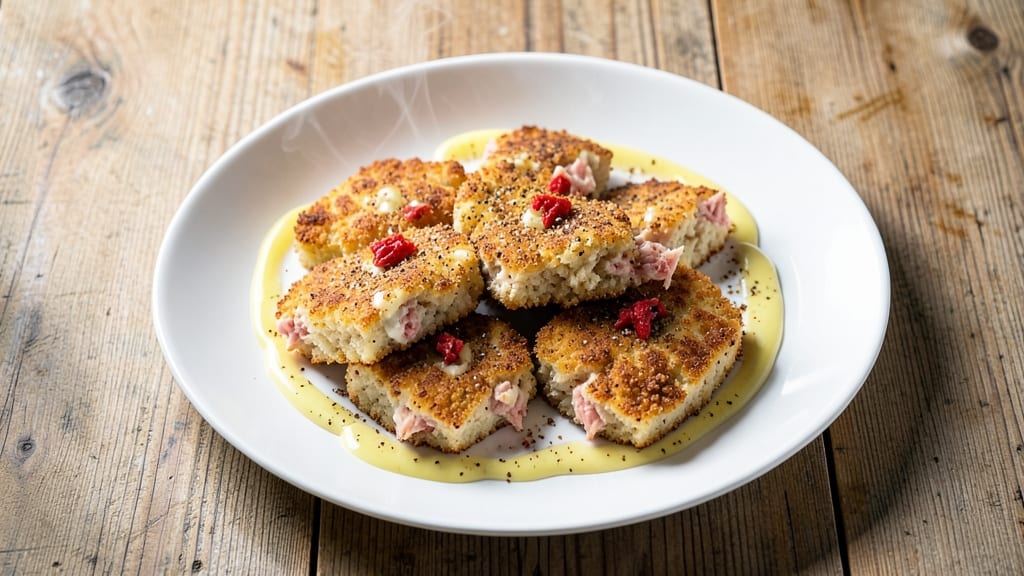
Gordon Ramsay's crab cakes recipe delivers the crispy crusts and flavor-packed centers that make these a restaurant staple. The secret lies in precise technique—chilling the mixture before shaping ensures clean, golden-brown edges while keeping the interior tender.
I’ve perfected this method after years of testing, and the result is always restaurant-quality at home.
This recipe uses lump crab meat, a must for authentic texture, combined with a balanced blend of breadcrumbs, mayo, Dijon mustard, and Old Bay seasoning. The mixture is formed into patties and chilled for 30 minutes before frying, a critical step that prevents crumbling and ensures that crispy crust.
Ramsay’s approach prioritizes simplicity without sacrificing flavor.
What sets these crab cakes apart is the perfect balance of seasoning and moisture—each bite offers a burst of Old Bay’s signature spices, a hint of tangy Dijon, and the natural sweetness of crab.
The pan-frying method guarantees a crispy exterior that shatters with the first bite, revealing a juicy, flavorful center. Serve them with lemon wedges and tartar sauce for the full experience.
Whether you’re cooking for a special occasion or a weeknight dinner, this recipe delivers professional results with minimal effort. The same technique works for air-frying, making it a versatile option for any kitchen. Let’s get started on creating crab cakes that rival your favorite seafood spot.
Ingredients for gordon ramsay crab cakes
Restaurant-quality crab cakes start with these precise ingredients—lump crab meat and Old Bay seasoning form the flavorful core.
| Ingredient | Amount | Notes |
|---|---|---|
| Lump Crab Meat 🦀 | 1 ½ lb | Fresh, not imitation, for authentic texture |
| Panko Breadcrumbs 🍞 | ¾ cup | Light and crispy for perfect crust |
| Mayonnaise 🥫 | ½ cup | Dijon-infused preferred for tang |
| Dijon Mustard 🍯 | 1 tbsp | High-quality, not prepared |
| Old Bay Seasoning 🌶️ | 2 tbsp | Classic blend for authentic flavor |
| Fresh Lemon Juice 🍋 | 1 tbsp | Brightens the flavor profile |
| Extra-Virgin Olive Oil 🫒 | 2 tbsp | For frying, high smoke point |
| Large Egg 🥚 | 1 whole | For binding mixture |
| Diamond Crystal Kosher Salt 🧂 | ½ tsp | Fine grain for seasoning |
| Freshly Ground Black Pepper 🌶️ | ½ tsp | Enhances seasoning blend |
| All-Purpose Flour 🌾 | 1 tbsp | For dredging patties |
| Butter 🧈 | 2 tbsp | Unsalted, for finishing |
| Fresh Chives 🌿 | 2 tbsp | Chopped, for garnish |
The crab meat is non-negotiable—lump crab from a reputable seafood market ensures that signature texture. Trident Seafoods or your local fishmonger with fresh daily deliveries are your best bets. Avoid imitation or canned crab; the flavor and texture simply can't compare. For Old Bay, McCormick's classic blend is the gold standard, though any well-seasoned brand will work. The Dijon mustard should be 100% pure, not the prepared kind with additives. Panko breadcrumbs are essential—their light, airy structure creates that coveted crispy crust without absorbing too much moisture.
No lump crab? Backfin or premium canned crab can stand in, though texture will differ slightly. Short on Dijon? Yellow mustard plus a pinch of sugar mimics the tang. The mayo can be swapped for Greek yogurt for a lighter version, though flavor will shift. For frying, avocado oil has a higher smoke point than olive oil if you're concerned about burning. The egg binds everything—room temperature ensures even mixing. If you're air-frying, reduce the olive oil to 1 tbsp and increase the breadcrumbs to 1 cup for better adhesion.
Crab cakes must chill for 30 minutes before frying—this critical step prevents crumbling and ensures that crispy crust. Store any leftovers in an airtight container with a paper towel pressed on top to absorb moisture; they'll keep for 2 days in the fridge. For longer storage, freeze the cooked crab cakes for up to 3 months. Reheat gently in a skillet with a splash of butter to restore crispiness. The tartar sauce and lemon wedges should be prepared fresh—store-bought versions often lack the brightness of homemade.
Why You'll Love This Recipe
- Same recipe, different vibes: serve with lemon aioli for a lazy Friday or with remoulade and microgreens when company’s over. The crab meat stays fresh in the fridge for days, so I make a double batch and pretend I’m fancy.
- No-Chop Necessary: I swear by these crab cakes because the only prep is mixing—no julienne carrots, no mincing herbs. Just crack open the crab, fold in the mayo and Dijon, and let the Old Bay do its magic. That’s it.
- Crispy-Creamy Magic: The secret’s in the panko crust—light as air but with that satisfying crunch, while the mayo keeps the inside tender. Honestly, the first bite makes me pause mid-conversation. That’s how good it is.
- Weeknight to Dinner Party: Same recipe, different vibes: serve with lemon aioli for a lazy Friday or with remoulade and microgreens when company’s over. The crab meat stays fresh in the fridge for days, so I make a double batch and pretend I’m fancy.
Step-by-step instructions for crispy crab cakes
Master the balance of texture and flavor with these precise techniques for perfect crab cakes.
Prepare the Crab Mixture with Precision
In a large mixing bowl, gently combine the 1.5 lb lump crab meat with the 0.5 cup mayonnaise, 1 tbsp Dijon mustard, 1 tbsp fresh lemon juice, 0.5 tsp diamond crystal kosher salt, and 0.5 tsp freshly ground black pepper. The mixture should hold together but remain loose—this ensures the crab cakes stay moist without being dense.
Using your hands, fold in the 0.75 cup panko breadcrumbs just until evenly distributed. Avoid overmixing, as this can break down the delicate crab texture. The goal is a cohesive but still slightly crumbly mixture that will hold its shape when formed into patties.
Here's the thing—don't rush this step. The crab should be evenly coated with the seasoned mayo mixture, but each lump should still be identifiable. This creates those signature pockets of flavor in every bite that define great crab cakes.
Form and Chill the Crab Cakes
Divide the mixture into 4 equal portions (about 4 ounces each) and gently shape them into ½-inch thick patties. I press down firmly but not too tightly—you want them to hold together when transferred to the pan, but not so compact that they become dense.
Place the formed crab cakes on a parchment-lined plate and refrigerate for at least 30 minutes. This chilling step is critical—it allows the binding agents to set and prevents the cakes from falling apart during frying. The longer they chill (up to 2 hours), the better they'll hold their shape when cooked.
While they're chilling, take a moment to check your frying setup. You'll want to heat 2 tablespoons extra-virgin olive oil in a large skillet over medium heat. The oil should be hot enough to sizzle when you add the first crab cake, but not smoking—this ensures a crispy crust without burning.
Create the Perfect Crispy Crust
Working in batches to avoid overcrowding, carefully place each chilled crab cake in the hot oil. They should sizzle immediately upon contact. Cook for 3-4 minutes per side until golden brown and deeply crispy. You'll know they're ready when the edges are deep golden and the underside releases easily from the pan.
Don't be tempted to press down on the cakes—they need that air pocket to maintain their shape. If they begin to brown too quickly on one side, reduce the heat slightly to medium-low and continue cooking. The internal temperature should reach 145°F when measured at the thickest part.
As each crab cake finishes, transfer it to a wire rack set over a paper towel-lined plate. This keeps them crispy by allowing air circulation underneath. The residual heat will continue cooking them slightly, so they'll be perfectly warm when ready to serve.
Finish with Butter and Garnish
In the same skillet (after removing the crab cakes), melt the 2 tablespoons butter over low heat until foaming. Return the crab cakes to the skillet and spoon the melted butter evenly over the top. This final step adds richness and helps create that signature glossy finish.
Sprinkle with 2 tablespoons chopped fresh chives just before serving. The chives add a bright contrast to the rich crab flavor and a pop of color that makes the dish visually appealing. Serve immediately while the crust remains perfectly crisp and the centers stay tender.
Real talk: The secret to these crab cakes isn't just the technique—it's the timing. Serve them within 10 minutes of finishing, or the crust will soften. Each bite should deliver that satisfying crunch followed by the sweet, briny crab and herbed mayo center.
Pro Tips For Making Gordon Ramsay Crab Cakes
- Freeze the Crab First: I learned this the hard way—skipping this step makes your crab cakes soggy. Spread the lump crab meat on a tray and freeze it solid (about 30 minutes). When you thaw it, the excess water drains away, leaving you with meat that holds its shape. Trust me, your crab cakes will thank you.
- Press Panko Hard: Don’t just sprinkle the panko on top—pack it into the mixture like you’re pressing a cake into a pan. This creates a sturdy crust that won’t crumble when frying. Use the bottom of a glass to really jam it in, especially around the edges.
- Skip the Overmixing: The moment you start folding the mayonnaise and Dijon into the crab, stop when it’s just combined. Overworking the mixture turns it into a gluey mess that falls apart. Think "gentle" here—like folding in whipped cream, not kneading dough.
- Fry in Batches: Crowding the pan drops the temperature and makes your crab cakes steam instead of crisp. Fry them in batches of 2-3 at most, and resist the urge to flip too soon. Wait until the bottom is deep golden (about 3-4 minutes), then flip once. Patience here makes the difference.
Creative variations of this dish
Spicy Cajun Twist
Swap out Old Bay for a Cajun seasoning blend—use 2 tbsp for the same amount of heat and depth. Add ½ tsp smoked paprika to the mayo mixture for a smoky kick.
Serve with a side of remoulade sauce (mayo, Dijon, hot sauce, and capers) for that Louisiana-inspired flavor profile. 🌶️
Air-Fryer Crispiness
For a lighter take, shape the crab cakes as directed and air-fry at 375°F for 8-10 minutes, flipping halfway. Use 1 tbsp olive oil (not 2) to coat the pan before cooking.
The air-fryer delivers a crispy crust without excess oil while keeping the centers tender. Perfect for weeknight dinners!
Lemon-Herb Variation
Boost the brightness by adding 1 tbsp finely chopped dill and 1 tbsp chopped parsley to the crab mixture. Top each cake with a lemon zest strip before serving. The herbs add freshness, while the zest infuses a citrusy aroma that cuts through the richness. 🍋
Crispy Parmesan Crust
Replace half the panko with ½ cup grated Parmesan cheese for an Italian-inspired twist. The cheese adds a nutty depth and extra crunch. Press the mixture into ¼-inch-thick patties (thinner than usual) to ensure even cooking. Pair with a balsamic glaze for a sweet-tangy contrast.
Smoked Paprika & Chipotle
For a smoky, slightly spicy version, mix 1 tsp smoked paprika and ½ tsp chipotle powder into the mayo. Add 1 minced garlic clove for extra depth. The smoky heat pairs beautifully with a mango-habanero salsa on the side. This fusion twist is perfect for adventurous eaters!
Gluten-Free Adaptation
Swap panko for ½ cup gluten-free breadcrumbs (like Crumbl brand) and ¼ cup crushed gluten-free cornflakes for binding. The texture stays crispy, but the cakes hold together better.
Use 1 extra egg (or 1 tbsp cornstarch) to compensate for the lack of gluten. Serve with a dill aioli for dipping.
Nutrition facts
Frequently asked questions
Can I use imitation crab instead of lump crab meat?
While you can substitute imitation crab, the texture and flavor won't be the same. Lump crab meat provides that signature delicate bite and sweetness that makes these crab cakes truly special. If you must use imitation, look for high-quality brands like Trident's "Backfin" and add an extra ½ tsp Old Bay to compensate for the milder taste. The cakes will still be delicious but won't have that premium restaurant-quality feel.
Why do my crab cakes fall apart when frying?
This usually happens when the mixture isn't chilled long enough before frying. The 30-minute chill is crucial—it lets the binding agents (egg and mayo) set properly. Another common mistake is overmixing the batter, which breaks down the crab texture. Form the cakes gently and press them firmly but not too tightly. If they still crumble, try adding 1 extra tbsp breadcrumbs to the mixture for better structure.
What's the best way to reheat leftover crab cakes?
To restore that perfect crispy crust, reheat in a skillet over medium heat with 1 tbsp butter or olive oil. Cook for 2-3 minutes per side until golden and heated through. Microwaving will make them soggy. For extra crispiness, broil for 1-2 minutes at the end, watching closely to avoid burning. Serve immediately to maintain texture.
Can I make these crab cakes ahead of time?
You can prepare the mixture up to 24 hours ahead and store it in an airtight container in the fridge. Shape the cakes just before cooking to prevent them from drying out. For fully cooked crab cakes, they'll keep in the fridge for 2 days wrapped tightly with a paper towel between layers. Freeze uncooked cakes (before chilling) for up to 1 month or cooked cakes for 3 months—thaw overnight in the fridge before reheating.
What's the secret to getting that perfect golden crust?
The golden crust comes from three key factors: hot oil (should sizzle when cakes touch), medium heat (not too high or they'll burn), and proper chilling of the cakes. Use a mix of olive oil and butter (like 1 tbsp each) for frying—the butter adds richness that helps create that signature glossy finish. Don't overcrowd the pan, and cook in batches to maintain even heat distribution.