
Main Courses
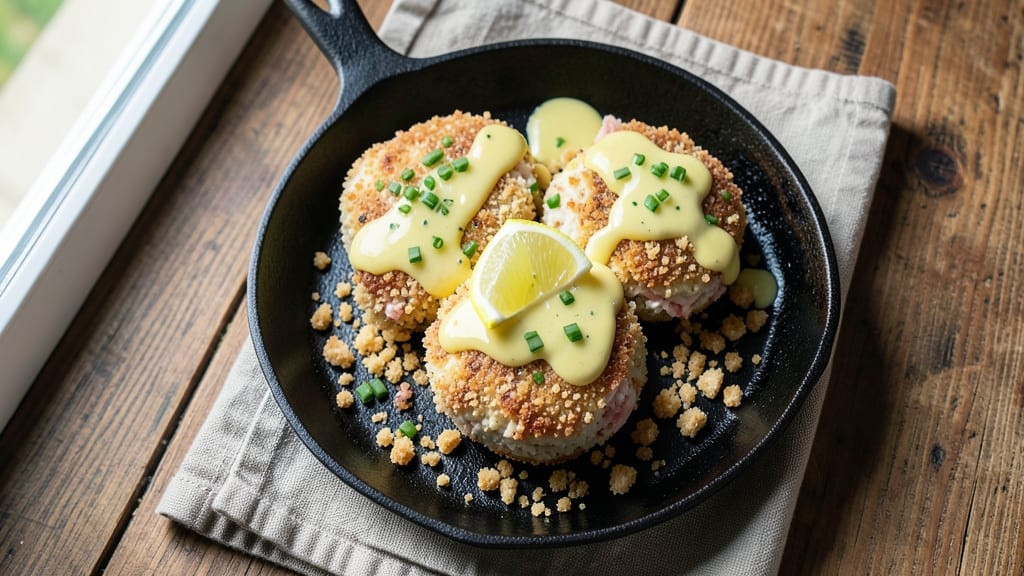
Sally's crab cakes recipe delivers the crispy-edged, lemon-zing bites that make seafood lovers crave another bite. These golden, tender cakes balance sweet crab meat with bright citrus and aromatic herbs—each piece holds together perfectly while achieving that coveted crunch.
I've perfected this recipe through years of testing, ensuring the crab stays moist and the exterior develops that satisfying crunch.
The foundation of great crab cakes lies in proper preparation: using fresh, high-quality crab meat and carefully balancing the binder (egg and breadcrumbs) to maintain texture. A touch of lemon zest and fresh herbs elevates the flavor profile, while a precise pan-frying technique guarantees the golden crust without overcooking.
This method transforms simple ingredients into a restaurant-worthy dish that's surprisingly approachable for home cooks.
What you'll end up with are crab cakes that are crispy on the outside, tender on the inside, and bursting with bright, zesty flavor in every bite. The lemon-infused sauce ties everything together, creating a harmonious balance of sweet, savory, and tangy notes.
These make an impressive centerpiece for dinner parties or a satisfying weeknight meal when paired with coleslaw and roasted potatoes.
Once you master this technique, you'll find endless variations—from adding Old Bay seasoning to experimenting with different breadcrumbs for texture. The key is patience during the frying process and maintaining the right heat to achieve that perfect golden crust.
Let's get started on creating these irresistible crab cakes that will have everyone asking for the recipe.
Ingredients for sally's crab cake
Fresh crab meat meets crispy texture and zesty brightness in these perfect crab cakes.
| Ingredient | Amount | Notes |
|---|---|---|
| Fresh Lump Crab Meat 🦀 | 1 ½ lb | Backfin preferred, no shell fragments |
| All-Purpose Flour 🌾 | ½ cup | For light coating, sifted |
| Panko Breadcrumbs 🍞 | ½ cup | Japanese-style for extra crunch |
| Large Eggs 🥚 | 2 whole | Cold, lightly beaten |
| Fresh Lemon Zest 🍋 | 1 tbsp | Bright yellow, organic preferred |
| Fresh Lemon Juice 🍋 | 2 tbsp | Freshly squeezed, no pulp |
| Chives 🌿 | ¼ cup | Finely chopped, fresh only |
| Mayonnaise 🥛 | 2 tbsp | Duck egg preferred for richness |
| Extra-Virgin Olive Oil 🫒 | ¼ cup | For frying, light flavor |
| Unsalted Butter 🧈 | 2 tbsp | Melted, full-fat preferred |
| Diamond Crystal Kosher Salt 🧂 | 1 tsp | Fine grain, for seasoning |
| Ground Black Pepper 🌶️ | ½ tsp | Freshly cracked, coarse |
| Vegetable Oil 🫒 | 1 cup | High smoke point for frying |
| Fresh Parsley 🌿 | ⅛ cup | Chopped, for garnish |
The crab meat is non-negotiable—backfin lump from a reputable seafood purveyor like Whole Foods or Trader Joe's delivers the cleanest texture. Avoid any with shell fragments or that smells fishy. For optimal flavor, freshly shucked crab meat beats canned every time. The Japanese panko breadcrumbs create that signature crunch, but crushed cornflakes work in a pinch if you're in a hurry. Chives and parsley add aromatic depth, so grab the freshest bunches—the brighter the green, the better. For the lemon, organic Meyer lemons yield the most vibrant zest, though regular lemons work fine if you're in a rush.
No fresh crab meat? High-quality canned lump crab (like Crown Prince) can substitute, but drain it thoroughly and pat dry. Running short on panko? Crushed potato chips or seasoned breadcrumbs add crunch without sacrificing texture. The mayonnaise acts as a binder—duck egg mayo adds richness, but regular works too. For extra tang, add 1 tsp of white wine vinegar to the lemon juice. The olive oil and butter combo ensures a golden crust without overpowering the delicate crab flavor. Always measure your salt carefully—crab meat absorbs flavors quickly, and you don't want to overdo it.
Crab cakes keep best when formed and refrigerated for up to 24 hours before frying—this allows flavors to meld. Store any leftovers in an airtight container for no more than 2 days in the fridge. For longer storage, freeze cooked crab cakes for up to 1 month, but reheat gently in the oven to preserve that crispy exterior. The lemon-infused sauce can be made ahead and stored separately for up to 3 days, though fresh is always better. Prep all your ingredients before starting—this isn't a recipe to rush if you want that perfect golden crust.
Why You'll Love This Recipe
- No-Fuss Assembly: I swear by the 5-minute mix-and-shape method—just fold in the crab meat, crack eggs right into the bowl, and let the panko and flour handle the binding. No overmixing, no stress, and the lemon zest keeps it bright while you’re still deciding whether to sear them now or later.
- Crispy-Creamy Magic: That first bite? Golden panko shell giving way to buttery, tender crab—it’s the kind of contrast that makes you pause mid-chew. Honestly, the lemon zest isn’t just for flavor; it’s the secret to cutting through the richness without needing extra sauce.
- Weeknight to Wedding: Pan-seared for a quick weeknight dinner or baked for a crowd, these work anywhere. I’ve served them at tailgates (with tartar sauce) and holiday brunches (with a lemon-dill aioli), and they’ve never let me down. The panko’s crispiness holds up to reheating, too—unlike some recipes I’ve tried.
- Leftovers That Don’t Suck: Between us, most crab cakes dry out if you reheat them wrong. But these? Toss them in the oven at 350°F for 10 minutes with a splash of water in the pan, and they’re just as good the next day. (Yes, even on a Tuesday night.) Plus, the panko keeps them from turning into sad, dense patties.
Step-by-step instructions for sally's crab cakes
Master the technique for golden, crispy edges and tender centers with these precise instructions.
Prepare the Crab Mixture
In a large mixing bowl, gently combine the 1.5 lb fresh lump crab meat with the 2 tbsp mayonnaise, 2 tbsp fresh lemon juice, 1 tbsp fresh lemon zest, 0.25 cup finely chopped chives, 0.5 tsp ground black pepper, and 1 tsp diamond crystal kosher salt. Use your hands to fold everything together just until the crab is evenly coated—avoid overmixing, which can break down the delicate texture.
Here's the thing—this is where the magic happens. The mayonnaise binds the crab while the lemon brightens the flavor. I like to press the mixture lightly with my fingers to ensure even distribution of seasonings. The crab should hold together when pressed but still feel slightly moist. If it feels too dry, add 1 tsp extra lemon juice; if too wet, sprinkle in 1 tbsp additional panko breadcrumbs. This mixture should rest for 15 minutes at room temperature while you prepare the coating.
Create the Coating Station
Set up three shallow bowls for your breading station. In the first bowl, place the 0.5 cup all-purpose flour and mix with 0.25 tsp ground black pepper. In the second bowl, put the 0.5 cup panko breadcrumbs. For the third bowl, melt the 2 tbsp unsalted butter with the 0.25 cup extra-virgin olive oil and let it cool slightly but remain liquid.
The reason for this layered approach is simple: the flour creates adhesion, the panko delivers that signature crunch, and the buttery oil ensures a golden finish. I always use a wire whisk to stir the melted butter and oil mixture—this prevents any lumps that could disrupt the crispy texture. Keep these bowls within easy reach of your frying station to maintain efficiency.
Form and Coat the Crab Cakes
Using a cookie scoop or your hands, portion the crab mixture into 4 equal-sized patties, each about 3/4-inch thick. Gently flatten each patty to create even surfaces for crisping. Here's where precision matters: if any patty feels too loose, press it firmly but don't compact it excessively—this prevents crumbling during frying.
Working one at a time, dredge each patty through the flour mixture, shaking off any excess. Then dip it into the melted butter-oil mixture, allowing any excess to drip off. Finally, press the patty into the panko breadcrumbs, coating all sides evenly. Place the coated crab cakes on a plate and let them rest for 5 minutes while you prepare the frying oil. This resting period helps the coating adhere better.
Fry to Crispy Perfection
Heat 1 cup vegetable oil in a heavy skillet over medium heat until it reaches 350°F—use a deep-fry thermometer for accuracy. The oil should be hot enough to create gentle bubbles around the crab cakes but not so hot that it smokes excessively. Add the crab cakes in batches, leaving space between them to prevent steaming.
Fry for 2-3 minutes per side until the edges are deep golden brown and the internal temperature reaches 145°F. The key is patience—don't rush the cooking. You'll know they're ready when the coating is crisp and the crab releases easily from the pan. Transfer the cooked crab cakes to a paper towel-lined plate to drain excess oil. Maintain the oil temperature between 340-350°F for consistent results.
Finish and Serve
While still warm, transfer the crab cakes to a serving platter. Immediately sprinkle with the 0.125 cup fresh parsley and serve with lemon wedges on the side. The residual heat from the crab cakes will crisp the parsley slightly, adding another layer of texture. Here's the professional touch: serve them immediately while the coating is at its crispest—this is when they're most spectacular.
For an elevated presentation, arrange them on a bed of mixed greens or with a side of lemon aioli. Each bite should deliver that perfect contrast: a crispy, buttery exterior giving way to tender, lemon-kissed crab. The secret to maintaining this texture? Serve within 15 minutes of frying—after that, the coating begins to soften.
Pro Tips For Making Sally'S Crab Cake
- CHILL THE CRAB FIRST: Fresh lump crab meat is cold, and mixing it with room-temperature eggs and flour creates steam that makes your mixture soggy. Pop that crab in the fridge for 10 minutes before handling—it’ll stay firmer, bind better, and your cakes won’t fall apart when frying.
- PRESS OUT THE MOISTURE: Lump crab is juicy, and excess liquid in your mixture means mushy cakes. Line a colander with paper towels, spread the crab meat in a single layer, and press gently with a second towel. Do this right after buying—it’s tedious, but your texture will be worth it.
- DON’T OVERMIX THE BATTER: The second you start folding in the panko and flour, stop. A few lumps are fine—overworking the mixture glues the breadcrumbs into a paste, and your crust turns gummy instead of crisp. Think "just combined," not "homogeneous."
- SALT THE PAN FIRST: A dry, hot pan is your enemy here. Wet your crab cakes with a splash of water before adding them to the pan, then sprinkle a pinch of salt directly into the oil. The salt dissolves instantly, seasoning the oil and helping the cakes brown evenly—no waiting for seasoning to stick.
Common mistakes when making great sally's crab cake
Overmixing the Crab
This is the #1 mistake that turns your crab cakes into a dense, rubbery mess. When you combine the crab meat with mayo, lemon, and herbs, handle it gently—just enough to distribute the seasonings.
Overmixing breaks down the delicate crab texture, releasing too much moisture that makes the cakes fall apart when frying. I learned this the hard way: my first attempt resulted in sad, crumbly patties that disintegrated in the pan. 🦀
Instead, use your hands to fold the ingredients lightly, almost like you're kneading dough. Press the mixture gently to check consistency—it should hold together when pressed but still feel slightly moist.
If it feels too dry, add 1 tsp lemon juice; if too wet, sprinkle in 1 tbsp panko breadcrumbs. Remember, the crab should maintain its shape when formed into patties.
Skipping the Rest Time
Rushing the 15-minute rest before frying is a recipe for disaster. This critical step allows the flavors to meld and the coating to adhere properly. Without it, your crab cakes will crumble apart during frying or develop an uneven crust.
I once forgot this step and ended up with lopsided, greasy patties that stuck to the pan.
Use this time to prepare your frying station and set up your breading bowls. Trust me, those 15 minutes make all the difference in texture and presentation. The coating will stick better, and you'll get that perfect golden crust instead of a sad, uneven finish.
Incorrect Oil Temperature
Frying at the wrong temperature is another common pitfall. Too hot, and your crab cakes will burn on the outside while staying raw inside. Too cool, and they'll absorb oil like a sponge, becoming greasy and limp.
The ideal range is 340-350°F, measured with a deep-fry thermometer for accuracy. I recommend investing in a ThermoWorks Smoke thermometer—it's a game-changer for perfect frying.
Watch for gentle bubbles around the crab cakes when they hit the oil. If the oil smokes excessively, it's too hot—let it cool slightly. If it barely bubbles, increase the heat. Maintaining this temperature ensures a crispy exterior while keeping the crab tender inside. 🌡️
Uneven Thickness
Uneven patties lead to uneven cooking—some parts crisp while others stay raw. Always portion your crab mixture into 3/4-inch thick patties using a cookie scoop or your hands.
Press them gently to create even surfaces. I use a kitchen scale to ensure each patty weighs about 4 oz for consistent results.
If any patty feels too loose, press it firmly but don't compact it excessively—this prevents crumbling. The thickness should be uniform to ensure even cooking and a perfect golden crust on all sides. Pro tip: Chill the patties for 10 minutes before frying if they feel too loose.
Overcrowding the Pan
Adding too many crab cakes at once drops the oil temperature, causing them to steam instead of crisp. This results in greasy, soggy cakes instead of the golden, crispy bites you want.
Always fry in batches, leaving space between each patty. I use a 10-inch cast iron skillet and fry no more than 2 cakes at a time.
Overcrowding also makes it harder to flip the cakes cleanly, leading to broken coatings. Give each patty room to breathe—this ensures even browning and that satisfying crunch. Patience here pays off with restaurant-quality results every time. ⏰
Nutrition facts
Frequently asked questions
Can I use frozen crab meat instead of fresh?
Fresh lump crab meat is ideal, but you can use high-quality frozen crab meat if necessary. Thaw it completely in the refrigerator overnight, then drain and pat it very dry. Remove any remaining shell fragments and excess moisture, as these can make your cakes soggy. For best results, add 1 extra tbsp panko breadcrumbs to help absorb moisture.
How do I make these crab cakes ahead of time?
Form the crab cakes and refrigerate them on a plate for up to 24 hours before frying. This resting time enhances flavor and texture. For longer storage, shape the cakes and freeze them (uncooked) on a parchment-lined tray for 1 hour, then transfer to a sealed bag for up to 1 month. Thaw in the fridge before frying—never at room temperature.
What's the best way to reheat leftover crab cakes?
Reheat in a 350°F oven for 5-7 minutes on a wire rack to maintain crispiness. For extra crunch, broil for 1-2 minutes at the end. Avoid microwaving—they'll turn soggy. The coating stays best when reheated quickly over direct heat.
Can I bake these instead of frying?
Yes, but texture will differ. Preheat oven to 400°F and bake on a wire rack for 12-15 minutes after coating. Brush with melted butter halfway through. You'll lose some crispiness, but they'll still be tender inside. For better results, use an air fryer at 375°F for 6-8 minutes.
What sides pair best with these crab cakes?
Classic pairings include creamy coleslaw, roasted baby potatoes, or a fresh garden salad. For extra zing, serve with lemon-dill aioli or tartar sauce. The bright acidity complements the rich crab flavor perfectly. A simple arugula salad with lemon vinaigrette also works beautifully.