
Main Courses
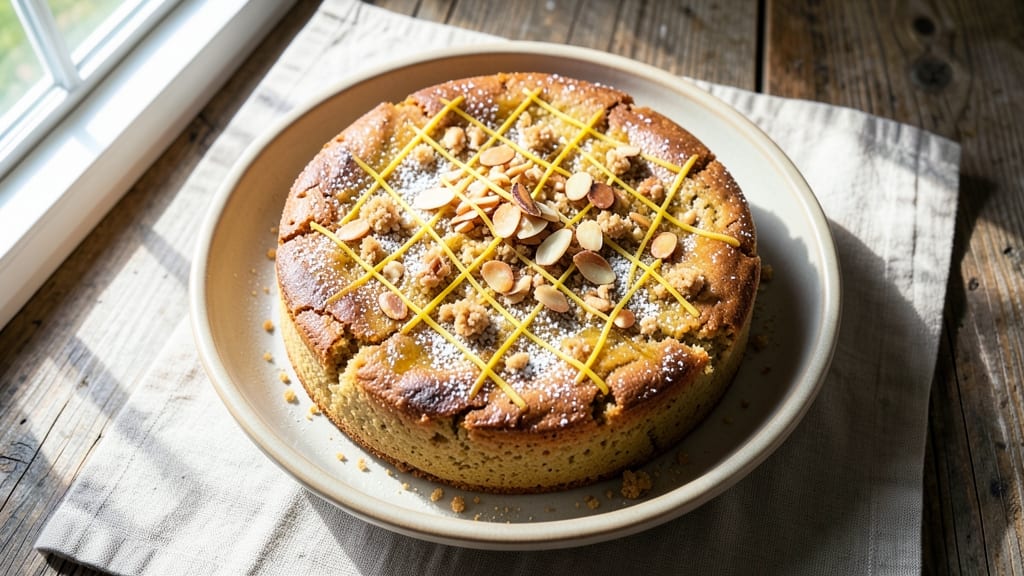
This almond polenta cake delivers a perfect balance of nutty crunch and silky moisture that keeps slices tender for days. The secret lies in combining almond flour's richness with polenta's subtle earthiness, creating a texture that's both elegant and comforting.
I've perfected this recipe after years of testing—it's naturally gluten-free, vegetarian, and requires just 30 minutes of active prep time before baking.
The cake's magic comes from a simple technique: mixing the dry ingredients until perfectly aerated, then gently folding in melted butter to maintain that light, airy structure. A touch of citrus zest brightens the nutty flavors, while a crumbly almond streusel topping adds irresistible texture contrast.
The result is a dessert that feels special enough for guests but simple enough for weeknight baking.
What makes this recipe truly special is its versatility—serve it warm with vanilla ice cream or let it cool for clean slices that stay moist. The almond flavor shines through without being overpowering, making it a crowd-pleaser that works for brunch, dessert, or even breakfast.
Each bite delivers that perfect combination of tender crumb and satisfying crunch.
The cake's naturally gluten-free foundation means it's perfect for those with dietary restrictions, yet its rich texture and flavor appeal to everyone. With just 8 ingredients and one bowl, this recipe proves you don't need complicated techniques to create restaurant-quality desserts at home. Let's get baking!
Ingredients for almond polenta cake
Eight ingredients transform into a showstopping almond polenta cake with perfect texture and flavor.
| Ingredient | Amount | Notes |
|---|---|---|
| Almond Flour 🥜 | 2 cups | Finely ground, unsweetened |
| Polenta 🌾 | ½ cup | Fine grind, uncooked |
| Unsalted Butter 🧈 | 1 cup | Melted, cooled slightly |
| Granulated Sugar 🍚 | ¾ cup | Light brown preferred |
| Large Eggs 🥚 | 3 whole | Room temperature |
| Lemon Zest 🍋 | 1 tbsp | Freshly grated |
| Vanilla Extract 🌸 | 1 tsp | Pure extract preferred |
| Salt 🧂 | ½ tsp | Fine sea salt |
| Almond Slices 🥜 | 1 cup | Thin, toasted for streusel |
| Powdered Sugar 🍚 | ¼ cup | For streusel topping |
| Coconut Oil 🥥 | 2 tbsp | Melted for streusel |
The almond flour is the star—Bob's Red Mill or Anthony's Goods brands deliver the finest grind for that ideal texture. Polenta should be fine, not coarse, so check the package or ask at Whole Foods bulk section. For the butter, Plugrá or Land O'Lakes unsalted gives that rich, clean flavor without competing with the almond's natural sweetness. Lemon zest should be freshly grated—pre-made zest loses its bright punch quickly. Pro tip: Zest only the yellow part, avoiding the bitter white pith.
No almond flour? Blitz toasted almonds in a food processor for a quick substitute, though texture will differ slightly. Brown sugar works just fine if you're out of white, but the cake will have a deeper caramel note. Eggs can be replaced with flax eggs (3 tbsp ground flaxseed + 9 tbsp water) for a vegan version, though texture will be denser. For the streusel, pecan halves or toasted walnuts add wonderful variation. The coconut oil in the streusel can be swapped for more melted butter if you prefer a richer flavor—just reduce the powdered sugar slightly to balance.
Store the cake in an airtight container at room temperature for up to 5 days, though it's best enjoyed within 2-3 days for peak moisture. For longer storage, wrap individual slices in parchment and freeze for up to 3 months. The streusel topping keeps best if toasted fresh, but pre-toasted slices can be stored separately and sprinkled on top just before serving. Warm slices pair beautifully with vanilla ice cream, while room-temperature slices make perfect picnic treats.
Why You'll Love This Recipe
- No Mixer Needed: I swear by this—just fold the almond flour and polenta with melted butter until it’s almost combined. The eggs bind it like magic, and honestly? The texture’s so tender you’d never guess it didn’t get a single whisking.
- Buttery Nutty Magic: That combo of toasted polenta and almond flour? It’s like a hug for your taste buds. The butter keeps it rich without being heavy, and the sugar caramelizes just enough to give every bite a subtle crunch—like a cross between shortbread and a warm biscuit.
- Weeknight or Dessert Star: Slice it for breakfast with yogurt and honey, serve it warm with whipped cream for dinner guests, or pack it for lunches. Between us, I’ve even used leftover pieces to top oatmeal—because why not? It’s that adaptable.
- Leftovers That Don’t Suck: This cake stays moist for days (yes, even without frosting), and the polenta’s earthy notes actually improve overnight. I’ll be real: I’ve reheated slices in the toaster until golden, and they taste like they just came out of the oven. Budget win, too—almond flour stretches further than you’d think.
Step-by-step instructions for almond polenta cake
Here's how to create a cake that's wonderfully moist with that perfect nutty crunch you crave.
Prepare the Streusel Topping First
In a small bowl, combine the 1 cup almond slices, 0.25 cup powdered sugar, 2 tablespoons melted coconut oil, and 1 teaspoon vanilla extract. Mix with your fingers until every almond slice is evenly coated and the mixture resembles wet sand. This pre-mixing ensures the streusel will distribute evenly and create those beautiful golden-brown clusters when baked.
I like to press the mixture gently between my fingers to break up any large clumps—this prevents thick streusel patches. Set this mixture aside while you prepare the cake batter. The contrast between the crunchy streusel and tender cake is what makes this recipe truly special.
Mix Wet Ingredients for Perfect Texture
In a large mixing bowl, cream together the 1 cup melted unsalted butter and 0.75 cup granulated sugar until light and fluffy, about 3-4 minutes using an electric mixer on medium speed. This step is crucial for incorporating air into the batter, which prevents a dense cake. You'll know it's ready when the mixture nearly doubles in volume and looks pale and airy.
Add the 3 whole large eggs one at a time, mixing well after each addition. Then stir in the 1 tablespoon lemon zest and 1 teaspoon vanilla extract. The lemon zest adds a bright, citrusy note that cuts through the richness of the butter and almonds. I always use freshly grated zest—it makes a noticeable difference in flavor compared to bottled zest.
Combine Dry Ingredients Gently
In a separate bowl, whisk together the 2 cups almond flour, 0.5 cup polenta, and 0.5 teaspoon salt. The polenta adds a lovely grainy texture that complements the almond flour beautifully. Gradually add this dry mixture to the wet ingredients, mixing on low speed just until combined. Be careful not to overmix—you should still see some flour streaks in the batter.
This is where the magic happens—the combination of almond flour and polenta creates a cake that's both moist and slightly rustic in texture. The almond flour keeps the cake tender while the polenta adds structure. If your batter looks too thick, you can add 1-2 tablespoons of milk (though the recipe doesn't call for it), but the batter should be thick enough to hold its shape when dropped from a spoon.
Layer and Streusel for Maximum Flavor
Preheat your oven to 350°F and grease an 8-inch round cake pan or line it with parchment paper. Pour half of the cake batter into the prepared pan and spread it evenly. Sprinkle about half of the streusel mixture over the top, pressing down gently so it adheres to the batter. Then add the remaining batter and top with the rest of the streusel.
Here's a pro tip: Use the back of a spoon to create a crisscross pattern with the streusel on top. This not only looks beautiful but also ensures even baking. The streusel will bake into golden clusters while the cake below remains wonderfully moist. Tap the pan gently on the counter a few times to help the streusel settle into place.
Bake to Golden Perfection
Bake the cake in the preheated oven for 35-40 minutes, or until a toothpick inserted into the center comes out clean. The cake is done when the top is golden brown and the edges have pulled slightly away from the pan. I like to check for doneness at the 30-minute mark—every oven is different, so watch for these visual cues rather than relying solely on time.
When the cake is done, let it cool in the pan for 10 minutes before transferring to a wire rack to cool completely. The residual heat will continue to set the cake while it cools. Serve warm or at room temperature—either way, you'll get that perfect balance of moist cake and crunchy streusel with every bite.
Pro Tips For Making Almond Polenta Cake
- Toast the Polenta: Spread your polenta on a baking sheet and toast it at 350°F (175°C) for 10–12 minutes until it smells nutty and golden. I learned this the hard way—skipping it makes the cake taste flat and grainy, like you’re eating raw cornmeal.
- Whisk Eggs Cold: Beat your eggs straight from the fridge—room temperature eggs overmix and turn the batter gluey. Crack them into a bowl first, then whisk in the sugar and melted butter while the eggs are still chilly. Trust me, your cake will thank you with a lighter crumb.
- Don’t Overmix the Batter: Fold the almond flour and toasted polenta into the wet ingredients just until combined—think "marbled," not "smooth." I used to blend it like pancake batter, and the result was dense. Stop when the dry bits disappear, and resist the urge to stir again.
- Use Room-Temp Butter: Let your unsalted butter sit out for 30–45 minutes before melting it—cold butter creates pockets of steam in the batter, leading to a cake that collapses in the middle. I skip this when I’m lazy, but the difference in texture is noticeable.
Troubleshooting this recipe
Cake Too Dense
If your almond polenta cake turns out dense instead of light and airy, the issue is likely overmixing or insufficient aeration. The key is to mix the dry ingredients just until combined—stop when you still see small flour streaks.
Also, ensure your butter and sugar are properly creamed to incorporate air. For extra fluffiness, whisk the eggs separately before adding them to the butter mixture. 💡
Streusel Not Crispy
For a perfectly crisp streusel topping, toast the almond slices before mixing them with the powdered sugar and coconut oil. Spread them on a baking sheet and toast in a 350°F oven for 5-7 minutes, stirring halfway, until fragrant and golden. This step enhances the crunch and flavor. Also,
To prevent your cake from sticking, always grease your 8-inch round cake pan thoroughly with butter or coconut oil, then dust with a light layer of flour or almond flour. For extra insurance, line the pan with parchment paper, ensuring it touches the sides and bottom. If you notice the cake pulling away from the edges during baking, it’s a good sign—this indicates it’s releasing from the pan as it cooks. Uneven baking often happens when the oven temperature isn’t calibrated or the cake isn’t placed in the center of the oven. For consistent results, use an oven thermometer to confirm your oven reaches 350°F. Place the cake in the middle rack of your oven, where heat circulates evenly. If your oven has hot spots, rotate the pan halfway through baking for even golden-brown perfection. If your cake comes out dry or crumbly, it may have been overbaked or the butter wasn’t melted properly. Always check for doneness with a toothpick at the 30-minute mark—the cake is done when it comes out clean or with a few moist crumbs. For extra moisture, ensure your butter is melted but not hot, and avoid overmixing the batter. A splash of almond milk (just 1-2 tablespoons) can also help if the batter seems too dry. A soggy bottom is usually caused by steam trapped in the cake during baking. To prevent this, avoid opening the oven door too early—let the cake bake undisturbed for the first 20 minutes. Also, ensure your pan is properly greased and lined with parchment paper to prevent moisture from seeping in. If you notice the bottom browning too quickly, tent the cake loosely with foil to protect it while allowing steam to escape gently.Cake Sticking to Pan
Uneven Baking
Dry or Crumbly Texture
Soggy Bottom
Nutrition facts
Frequently asked questions
Can I make this almond polenta cake gluten-free?
This recipe is already naturally gluten-free thanks to the almond flour and polenta base! The combination creates a tender yet sturdy texture without any wheat ingredients. Always double-check your almond flour brand to ensure it's certified gluten-free if you have celiac disease or severe sensitivity.
How do I store leftovers for maximum freshness?
Keep your cake in an airtight container at room temperature for up to 5 days. For longer storage, wrap individual slices in parchment paper and freeze for 3 months. The streusel topping stays crispy when stored properly—just let slices sit at room temperature for 10 minutes before serving to restore the crunch.
What's the best way to serve this cake?
Warm slices with vanilla ice cream or whipped cream highlight the cake's nutty richness. For a refreshing twist, try it with lemon curd or fresh berries. The citrus notes in the cake pair beautifully with tart fruits like raspberries or blackberries. Room-temperature slices also work perfectly for picnics or dessert buffets.
Can I substitute regular flour for the almond flour?
I don't recommend it—the almond flour's texture and flavor are essential to this recipe. However, if you must substitute, try a 1:1 gluten-free flour blend (like Bob's Red Mill 1-to-1) and add 1 extra egg to help bind the batter. The cake will lose some of its signature nutty flavor and moisture, but it will still be edible.
Why does my cake have a grainy texture?
The polenta adds a subtle graininess that's actually desirable in this recipe! For a smoother texture, pulse the polenta in a food processor until it's very fine before mixing. If you prefer extra smoothness, you can sift the almond flour and polenta together before combining with wet ingredients. Just be gentle when mixing to maintain that light, airy structure.